
Last updated November 25, 2026
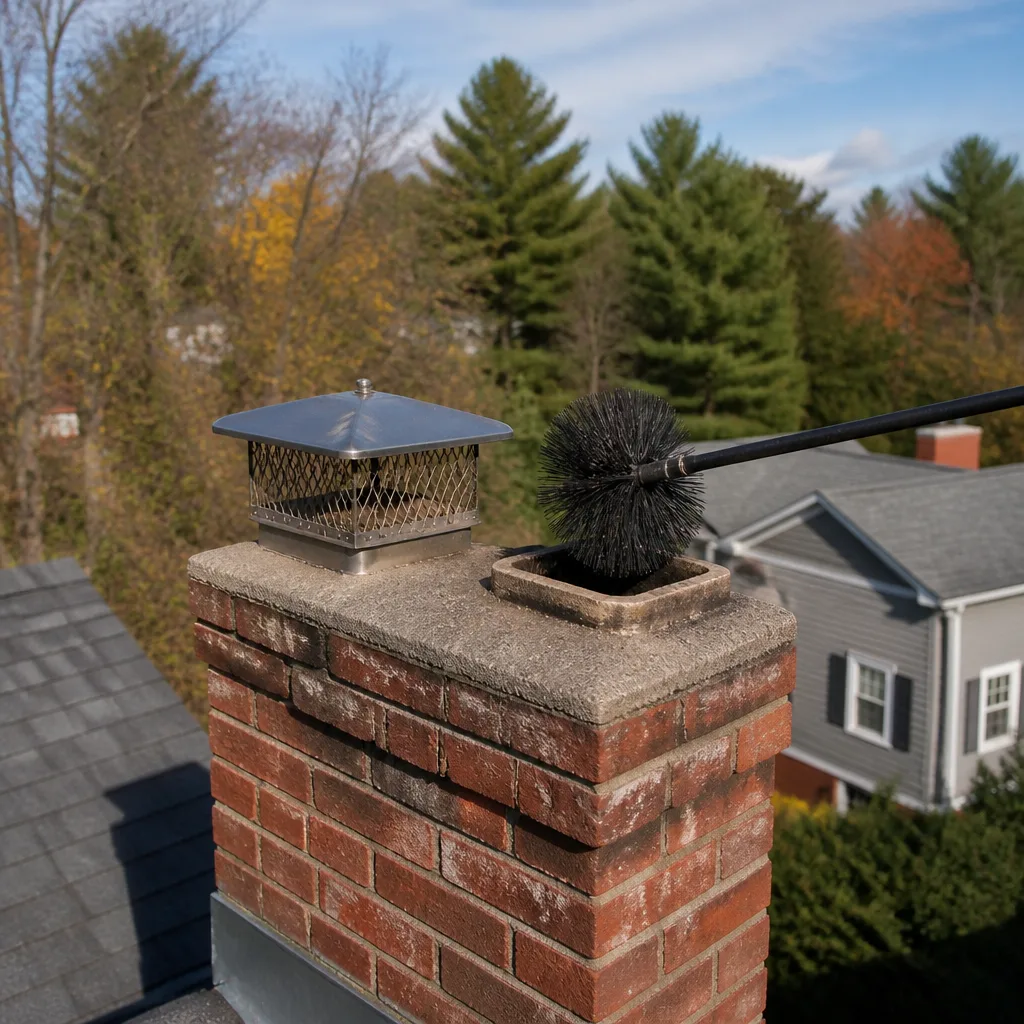 Sweep & inspection
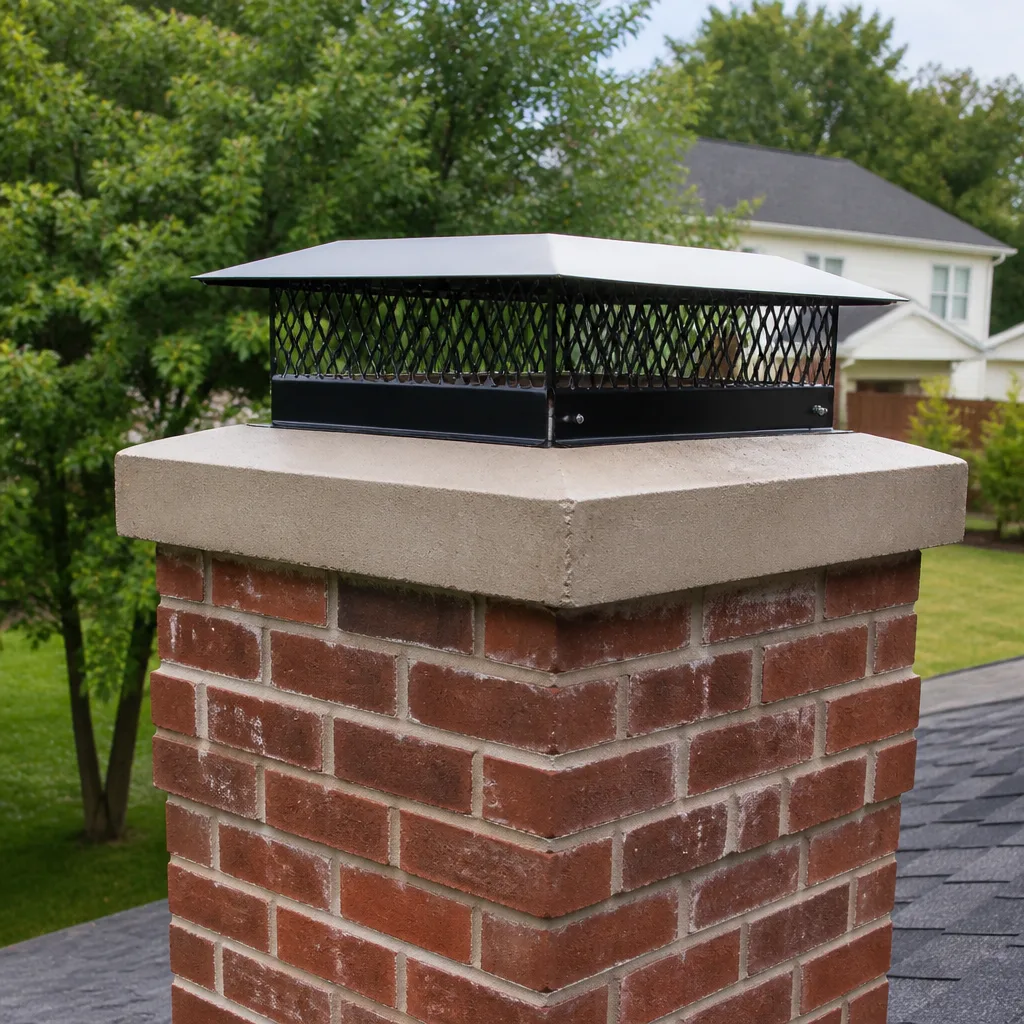 Caps & crowns
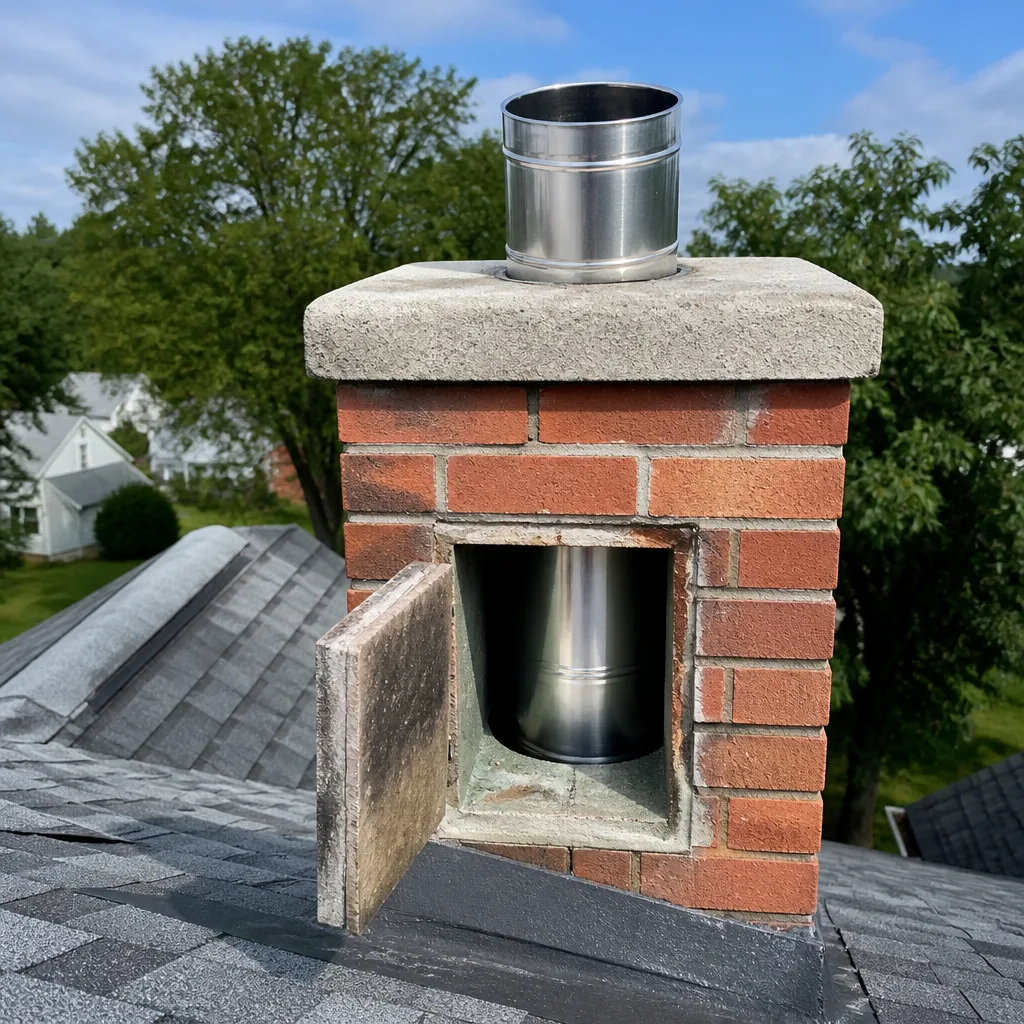 Flue relining
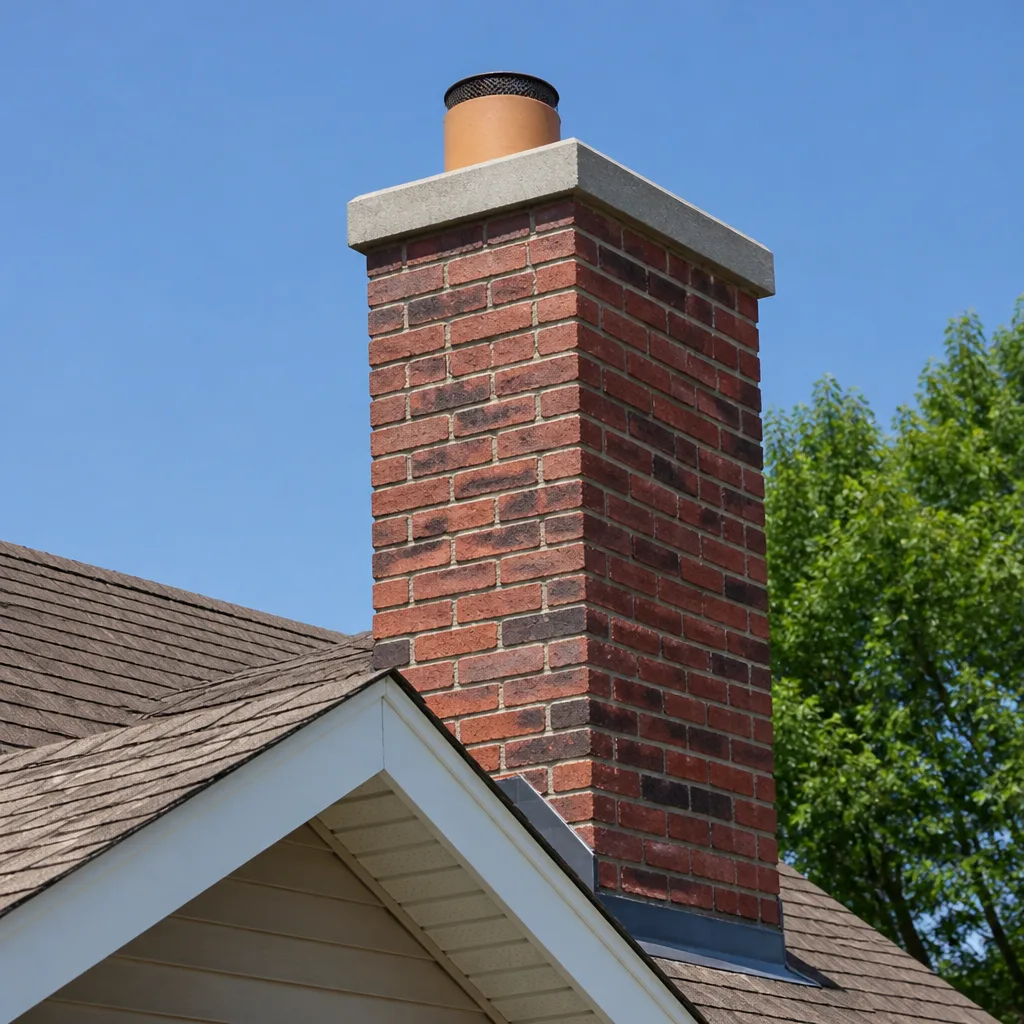 Masonry repair
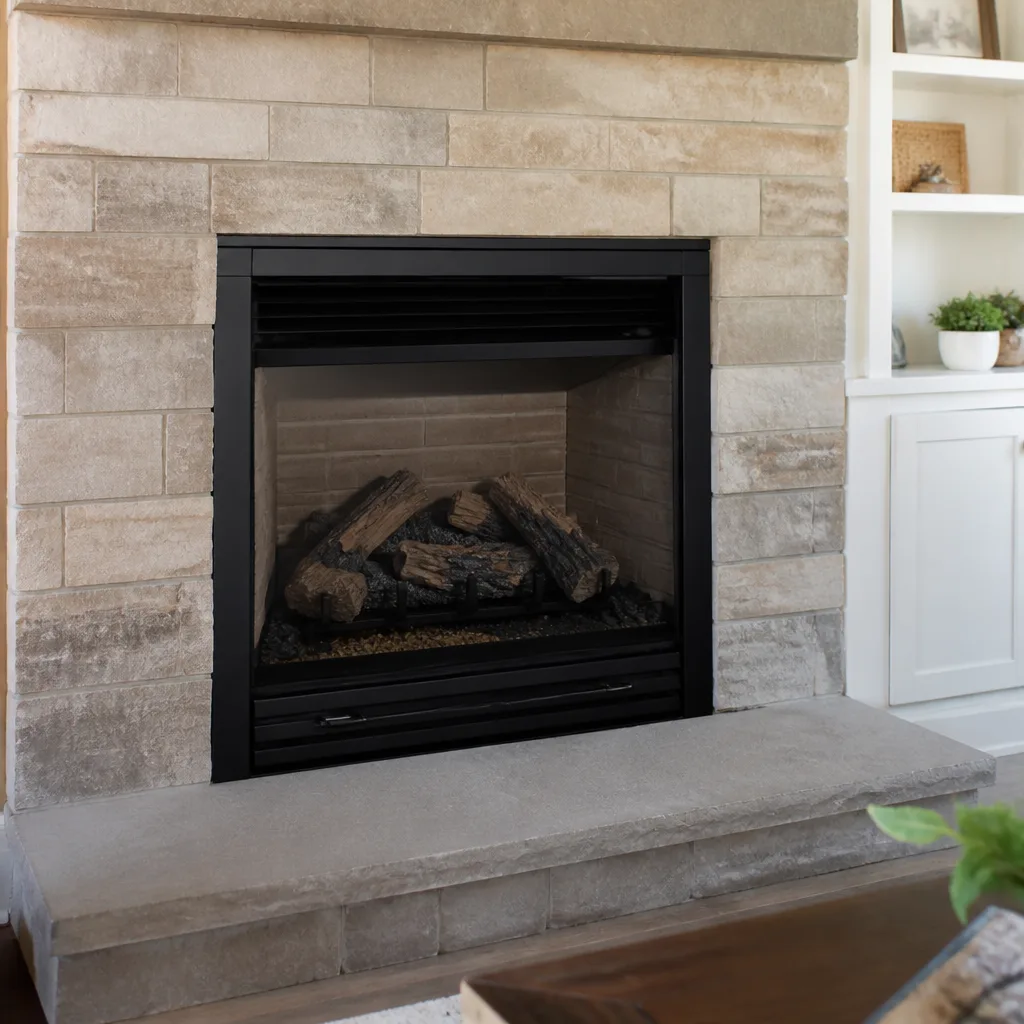 Gas fireplace service
Level 1 sweep and inspection to the NFPA 211 annual standard - flue, crown, cap, and flashing checked and photographed
Chimney sweep logs do not sweep chimneys. They loosen some creosote - which then falls where a brush and vacuum still have to collect it.
Chimney Cleaning Permits, Codes & Inspections in Mott Haven, NY: What You Need to Know
The most common misconception about chimney work in New York City is that it either always needs a permit or never does. Neither is true, and the confusion costs homeowners real money. A routine sweep is ordinary maintenance and needs no filing at all. But the moment a job crosses into liner replacement, structural masonry repair, or a new appliance connection, the NYC Department of Buildings gets involved and the paperwork matters as much as the work. In this guide we draw that line clearly for Mott Haven homeowners, property managers, and anyone who has been told “my contractor handled it” and wants to know whether that is actually enough.
Quick Answer
Routine chimney sweeping and cleaning in Mott Haven do not require an NYC DOB permit; they are classified as ordinary maintenance. Permits and DOB filings generally become necessary when the work is structural or changes the chimney system itself, such as a full liner replacement, masonry or crown reconstruction, or installing or replacing a solid-fuel appliance. A proper inspection report documents the chimney’s condition against NFPA 211 standards and tells you which category your work falls into before anyone starts.
Styles & brands we work with
- Sweep & inspection
- Caps & crowns
- Flue relining
- Masonry repair
- Gas fireplace service
Table of Contents
- Which Chimney Services Need a Permit in NYC and Which Don’t
- How the Mechanical Code and Building Code Interact With Chimney Work
- What a Mott Haven Chimney Inspection Report Should Document
- How to Verify a Contractor’s Work Is Filed With DOB
- Unpermitted Liner Work and Your Insurance and Resale
- Why Mott Haven Housing Stock Changes the Equation
- Common Mistakes to Avoid
- When to Call a Professional
Which Chimney Services Need a Permit in NYC and Which Don’t
The clearest way to understand the permit question is to separate maintenance from alteration. Maintenance keeps the chimney system in the condition it was already in. Alteration changes the system. New York City treats those two categories very differently, and the line sits in the same place whether you’re in Mott Haven or anywhere else in the five boroughs.
Work that is generally treated as ordinary maintenance and does not require a DOB permit filing:
- A routine chimney sweep to remove soot, creosote, and debris from the flue
- An annual chimney inspection, including a camera inspection of the flue interior
- Removing a bird nest or other animal blockage from the flue or smoke chamber
- Cleaning the firebox, damper area, and smoke shelf
- Replacing a damaged chimney cap with a like-for-like cap
Work that typically crosses into alteration and may require a permit or DOB filing:
- Full relining of a flue, whether with a stainless system such as DuraFlex or a cast-in-place method
- Masonry repair that changes the structure, including rebuilding a chimney above the roofline
- Crown reconstruction, as opposed to a cosmetic crown coating
- Installing, replacing, or converting a solid-fuel appliance such as a wood stove or fireplace insert
- Adding a new flue or changing the height or configuration of an existing chimney
Notice that a chimney cap & crown replacement with a stock cap is a small job, but rebuilding the crown is not. The distinction is whether the work restores the system or redesigns it. When you’re not sure which side of the line a job falls on, the answer comes from an inspection, not a phone guess.
How the Mechanical Code and Building Code Interact With Chimney Work
Chimney work in New York City lives at the intersection of two sets of rules: the NYC Mechanical Code, which governs venting and appliance connections, and the NYC Building Code, which governs construction, alteration, and the permit process. Understanding how they overlap is what separates a properly filed job from one that gets flagged later.
The Mechanical Code sets the technical standard for how a chimney or vent must perform. It addresses clearances to combustibles, the height of a chimney termination relative to the roof, the sizing of the flue relative to the appliance, and the requirement that solid-fuel appliances vent into a code-compliant chimney. When a technician relines a flue or connects a new appliance, that work has to satisfy those performance requirements regardless of whether a permit was pulled.
The Building Code governs the administrative side. It defines what counts as an alteration requiring a permit, who is authorized to file, and what inspections the DOB performs. Building Code Chapter 28 addresses the maintenance of existing buildings and is the section most relevant to homeowners doing repair work on a chimney that has been in place for decades. A job can be technically compliant with the Mechanical Code and still create a violation if it was never filed under the Building Code, and that is the scenario that catches people off guard.
Our technicians have up to 14 years of experience, and the pattern we see in Mott Haven is consistent: the technical work is often fine, but the paperwork is missing. When we inspect first and recommend second, part of what we’re documenting is whether the work you’re about to authorize is maintenance or alteration, so you know up front whether a filing is part of the plan.
What a Mott Haven Chimney Inspection Report Should Document
An inspection report is only useful if it tells you two things: the current condition of each component of your chimney system, and whether any finding requires action now or can safely wait. A report that lists problems without that context is a sales document, not an inspection.
A thorough inspection in Mott Haven should cover every part of the system, not just the flue. Here is what should be documented:
- Flue interior: the condition of the liner, the extent of any creosote glaze, and whether there are cracks, gaps, or missing mortar joints visible on camera.
- Smoke chamber and damper: whether the damper operates and seals, and whether the smoke chamber is parged or rough.
- Firebox: the condition of the firebrick and mortar, and whether there is spalling or open joints.
- Crown: whether the crown is intact or cracked, since a failed crown is the most common entry point for water.
- Chimney cap: whether a cap is present, properly sized, and intact, or whether the flue is open to rain and animals.
- Exterior masonry: the condition of the brick and mortar joints above the roofline, and whether there are signs of water infiltration.
- Clearances: whether the chimney maintains proper clearance to combustible framing and roofing materials.
Findings should be grouped into two categories: conditions that require repair and conditions that are advisory. A cracked crown that is actively letting water in is a repair-now item. A hairline crack in the firebox mortar that isn’t growing is something to monitor. We align our inspections with NFPA 211 standards, which is the language your insurance company and a home inspector will both understand.
Moisture, heat, and time are hard on masonry, and in Mott Haven’s older rowhouse stock those three factors have had a long run. The report tells you where the clock has caught up and where it hasn’t.
How to Verify a Contractor’s Work Is Filed With DOB
You should not have to take a contractor’s word that filings were handled. In New York City you can check for yourself, and doing it before work starts is far easier than untangling it afterward. Here is the process we suggest:
- Ask for the scope in writing before signing. The written estimate should state plainly whether the work is maintenance or alteration, and whether a DOB permit is required.
- Get the permit or filing information in writing. If a permit is required, ask for the permit number once it is issued. A legitimate contractor expects this question.
- Look up the filing yourself. The NYC Department of Buildings maintains an online property profile and permit search at its public DOB NOW portal. You can search by address and see permits, applications, and violations associated with the property.
- Confirm the scope on the filing matches the scope on your estimate. A permit that says “masonry repair” doesn’t cover a liner replacement.
- Check for open violations on the property before work begins. If a prior owner left a chimney violation, you want to know that before your new job adds to the record.
- Keep copies of everything. The permit, the inspection report, and the final sign-off belong in your property file, especially if you plan to sell.
For a routine chimney sweep there is no permit to look up, and that’s normal. The verification step matters for the larger work: relining, structural repair, and appliance installation. If a contractor is evasive about whether a permit was pulled, that tells you something.
Unpermitted Liner Work and Your Insurance and Resale
Here is the part of the story that rarely comes up until it’s too late. Unpermitted chimney work does not usually cause a problem the day it’s done. It causes a problem when you file a claim, or when you try to sell, or when a home inspector flags it during a transaction you’ve already committed to.
On the insurance side, a carrier’s obligation depends on the work having been done to code. If a chimney fire or carbon monoxide incident traces back to a liner that was installed without a permit and without inspection, the insurer has grounds to question the claim. That does not mean every claim is denied, but it does mean you’ve handed the insurer a dispute you don’t need. The mechanical code sets the clearances and venting requirements precisely because those failure modes are dangerous, and the inspection that comes with a permit is the record that the work met them.
On the resale side, a title search and a home inspection will surface the record. A buyer’s inspector who sees a new stainless liner but no permit on file will flag it, and the buyer’s attorney will ask for documentation. In the Bronx, where a lot of Mott Haven rowhouses have changed hands repeatedly and carry records from work done across decades, that documentation gap gets noticed quickly. The fix is to have pulled the permit in the first place, or to address the documentation before you list.
This is where the full-lifecycle approach matters. Chimney Sweep Mott Haven handles inspection, sweeping, cap and crown work, and chimney repair so the person who documents the condition is the same team that does the work and knows what was filed. No subcontracting, no gaps in the record.
Why Mott Haven Housing Stock Changes the Equation
Mott Haven is not a subdivision built to a single code cycle. It’s a neighborhood with rowhouses, walk-ups, and converted multi-family buildings that span a wide range of construction eras, and the chimneys in those buildings reflect that. Some were built for coal, some for oil, some for wood, and many have had appliances swapped more than once without a clear paper trail.
That matters for permits and inspections in a few specific ways:
- Original flue sizing often doesn’t match modern appliances. When a firebox has been converted or a stove added, the flue may be oversize or undersize for what’s connected to it today, which is a venting code issue.
- Prior alterations may already be on the DOB record. Before you add a new filing, it’s worth knowing what’s already there.
- Shared chimneys in multi-family buildings complicate who files. In a building where a flue serves more than one unit, the ownership and filing responsibility needs to be clear before work begins.
- Exterior masonry above the roofline takes a beating. The Northeast freeze-thaw cycle is hard on brick and mortar joints, which is why crown and cap condition matters so much here.
When we inspect a chimney in Mott Haven, we read the building alongside the chimney. Old flues that were sized for a coal furnace and later connected to something else are a common find, and they’re the kind of condition that a careful report catches and an insurance company cares about.
Common Mistakes to Avoid
- Assuming all chimney work is permit-free. A sweep is maintenance, but relining and structural repair are alterations, and skipping the filing creates a record problem that follows the property. Know which category your job is in before you authorize it.
- Accepting “my contractor handled it” without a permit number. That phrase is not a defense with the DOB. Ask for the number in writing and look it up yourself in the DOB NOW portal.
- Hiring a generalist to do specialist work. A handyman who sweeps chimneys on the side will not document the system against NFPA 211, and that documentation is what your insurance company and a buyer’s inspector will ask for.
- Skipping the inspection to save a step. A repair recommended without a camera inspection and a written report is a repair you can’t verify. Insist on seeing the evidence.
- Ignoring a cracked crown because the flue is “fine.” The crown is what keeps water out of the masonry, and a failed crown is the most common source of the moisture damage that eventually forces a much larger repair.
- Not checking for prior violations before starting new work. If there’s an open chimney violation on the property from an earlier owner, you want it addressed rather than layered under new construction.
- Treating the inspection report as a sales pitch and throwing it away. Keep it. It’s part of the property record and the single best piece of evidence that your chimney system was assessed against a recognized standard.
When to Call a Professional
Some judgments about a chimney are safe to make yourself. Most aren’t. Call a professional before you sign off on any work that involves a liner, the masonry above the roofline, or a new appliance connection, because those are the categories where a permit may be required and where the technical requirements of the mechanical code matter most. Call if a home inspector has flagged a chimney issue and you need a report that documents the condition clearly. Call if you smell a persistent draft or odor, if the fire smokes into the room, or if you haven’t had the system inspected since you bought the building. And call before you list the property, so any documentation gaps are resolved while you still have time to resolve them.
Chimney Sweep Mott Haven offers free estimates in Mott Haven. Call (855) 726-7555. We answer 24/7. Fast dispatch from 7am to 7pm, Sunday through Friday.
See the difference
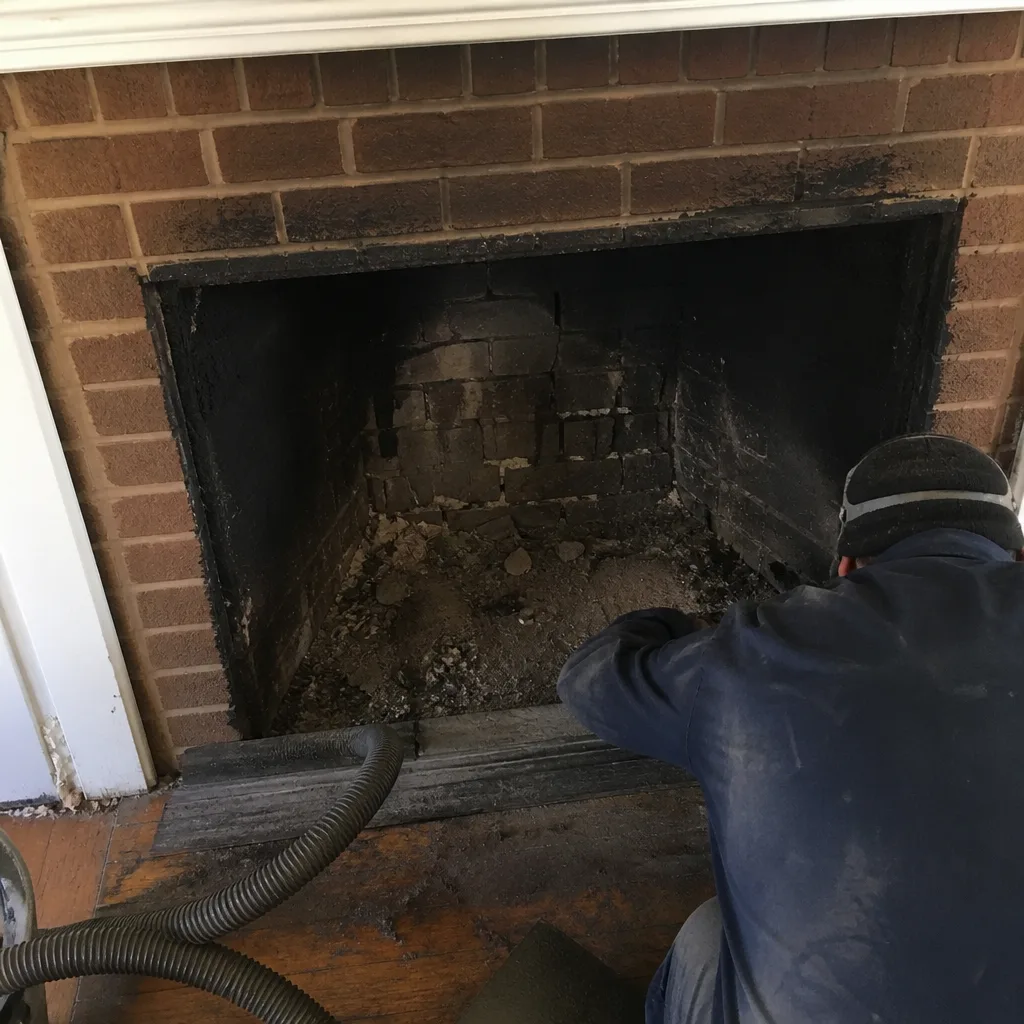 Before
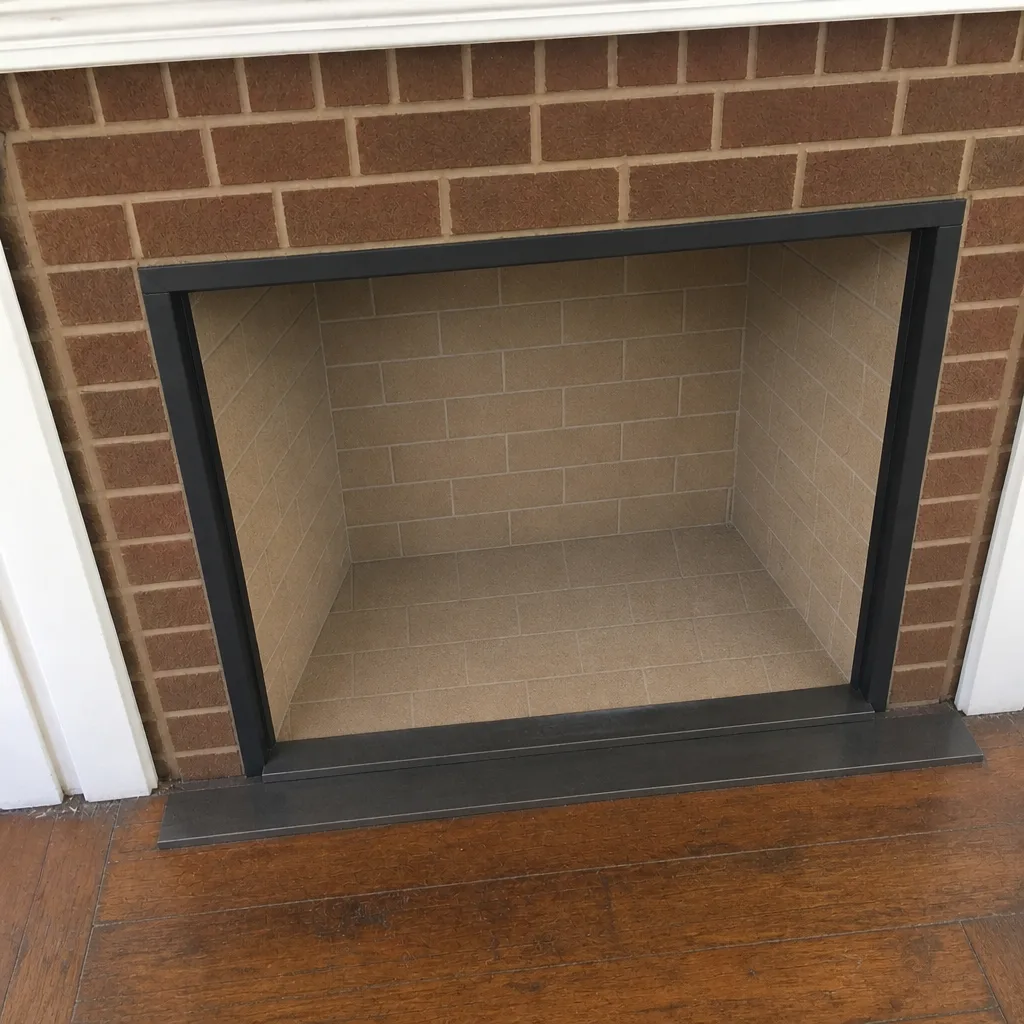 After
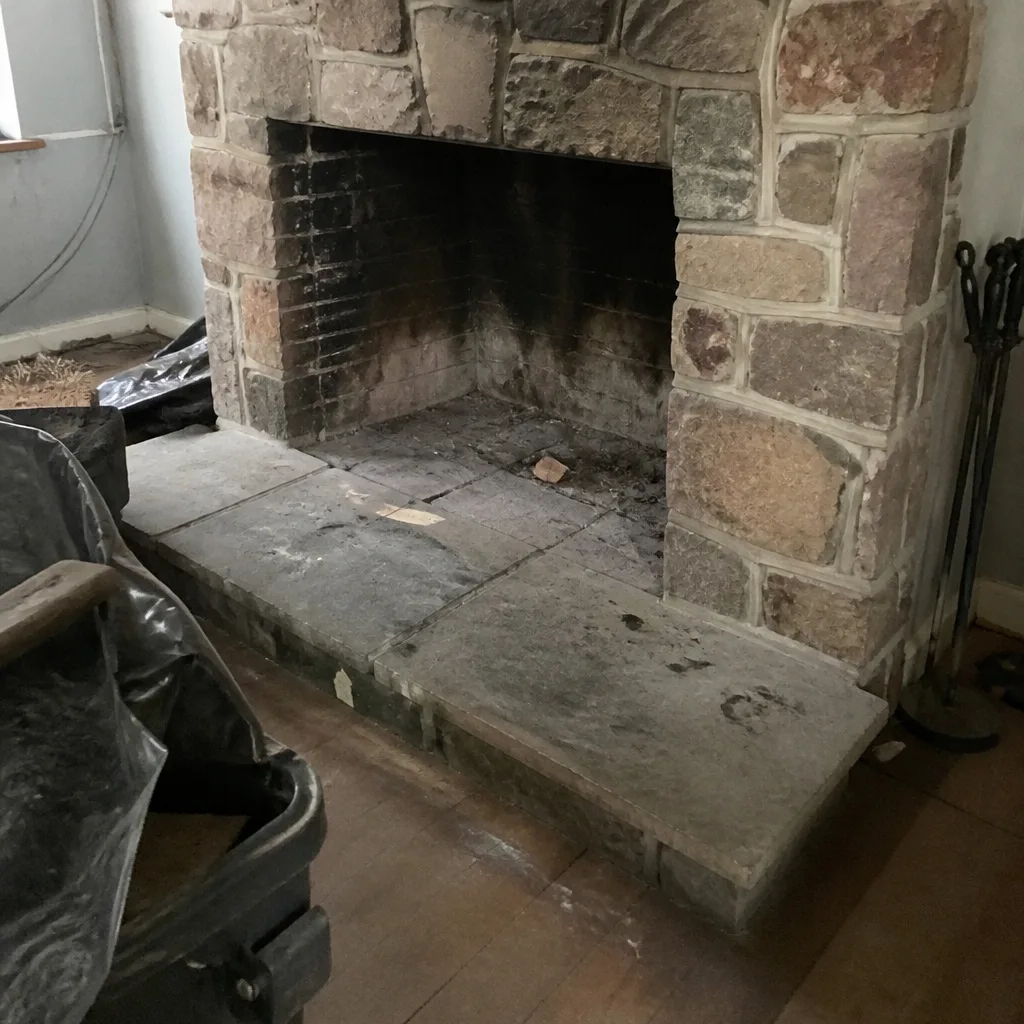 Before
 After
 Before
 After
Frequently Asked Questions
No. A routine chimney sweep in Mott Haven is ordinary maintenance and does not require an NYC DOB permit. Permits come into play when the work changes the chimney system itself, such as a full liner replacement, structural masonry repair, or installing a new solid-fuel appliance. If you’re unsure which category your job falls into, an inspection is the way to find out. Call (855) 726-7555 for an exact quote on an inspection; estimates are free.
A full liner replacement generally requires a DOB permit or filing because it alters the chimney system, whereas our HeatShield ceramic resurfacing of an existing liner is a repair of the existing flue and is assessed case by case. The distinction matters for your insurance and resale records, so it should be stated clearly in your written estimate before work starts. Call (855) 726-7555 and we’ll walk you through how we document it.
A proper inspection report in Mott Haven should document every component of the chimney system: the flue interior, smoke chamber and damper, firebox, crown, cap, exterior masonry, and clearances, grouped into repair-now findings and advisory findings. We align our inspections with NFPA 211 standards so the report speaks the same language your insurer and a home inspector use. Call (855) 726-7555 to book an inspection; estimates are free.
You can look it up yourself in the NYC Department of Buildings’ public DOB NOW portal by property address, which shows permits, applications, and violations for the building. Ask your contractor for the permit number in writing and confirm that the scope on the filing matches the scope on your estimate. If a contractor is evasive about a permit, treat that as a warning sign. Call (855) 726-7555 for a second opinion on the scope; estimates are free.
Unpermitted prior work may not surface until you file an insurance claim or put the property on the market, at which point a buyer’s inspector or attorney will ask for documentation. The remedy is to have the system re-inspected, document its current condition against NFPA 211, and address any deficiencies or violations that appear on the DOB record. Call (855) 726-7555 to schedule an inspection; estimates are free.
Annual inspection is the standard, and it’s especially important in older Mott Haven rowhouses where appliances and liners may have been converted or altered across the building’s life. If the system has never been inspected since you purchased, that’s the first one to book. We answer 24/7 at (855) 726-7555, with fast dispatch from 7am to 7pm, Sunday through Friday.
The Bottom Line
The line between a permit-free sweep and a permit-required alteration comes down to one question: does the work restore the chimney system or change it? Sweeps, inspections, and like-for-like cap replacements are maintenance. Relining, structural masonry repair, crown reconstruction, and appliance installation are alterations that involve DOB filings. In Mott Haven’s older rowhouse stock, where chimneys have been converted and re-converted, an NFPA 211 inspection is the honest starting point. Inspect first, recommend second. Document everything, keep the paperwork, and verify filings in the DOB NOW portal before work begins. Our technicians have up to 14 years of experience, and we work with professional-grade materials from DuraFlex, Olympia Chimney, and Copperfield so the body of work matches the record. From sweep to repair in one call.
Have a chimney question or a flagged inspection report? Call (855) 726-7555 for a free estimate. We answer 24/7. Fast dispatch from 7am to 7pm, Sunday through Friday.
Written by the team at Chimney Sweep Mott Haven.