
Last updated November 25, 2026
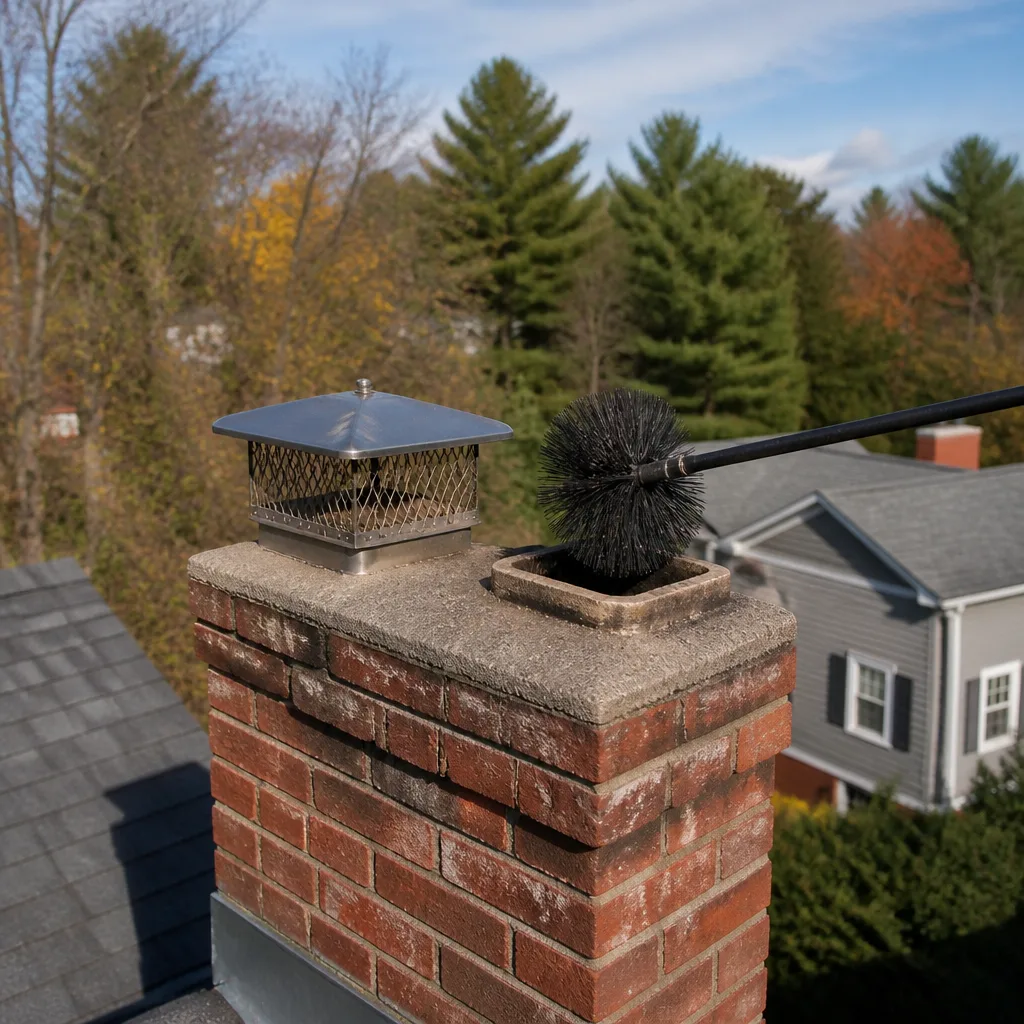 Sweep & inspection
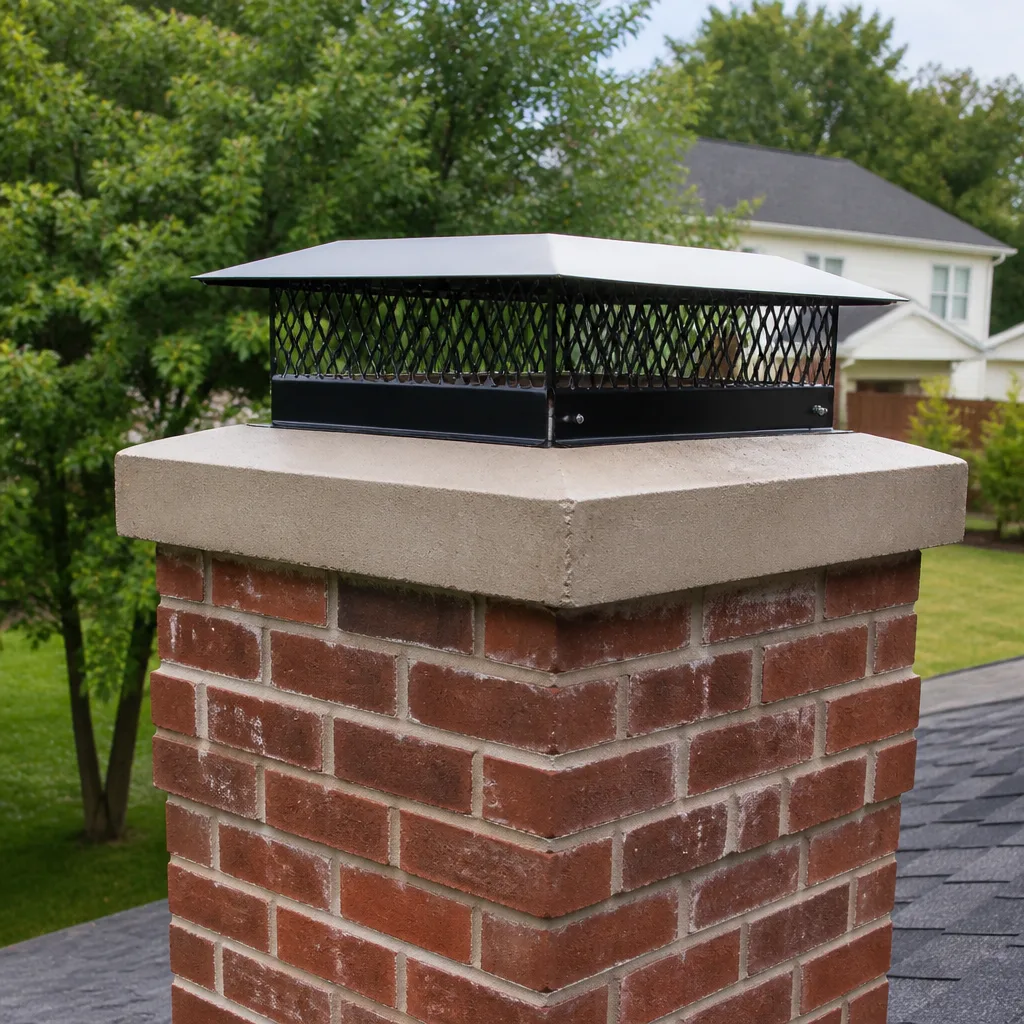 Caps & crowns
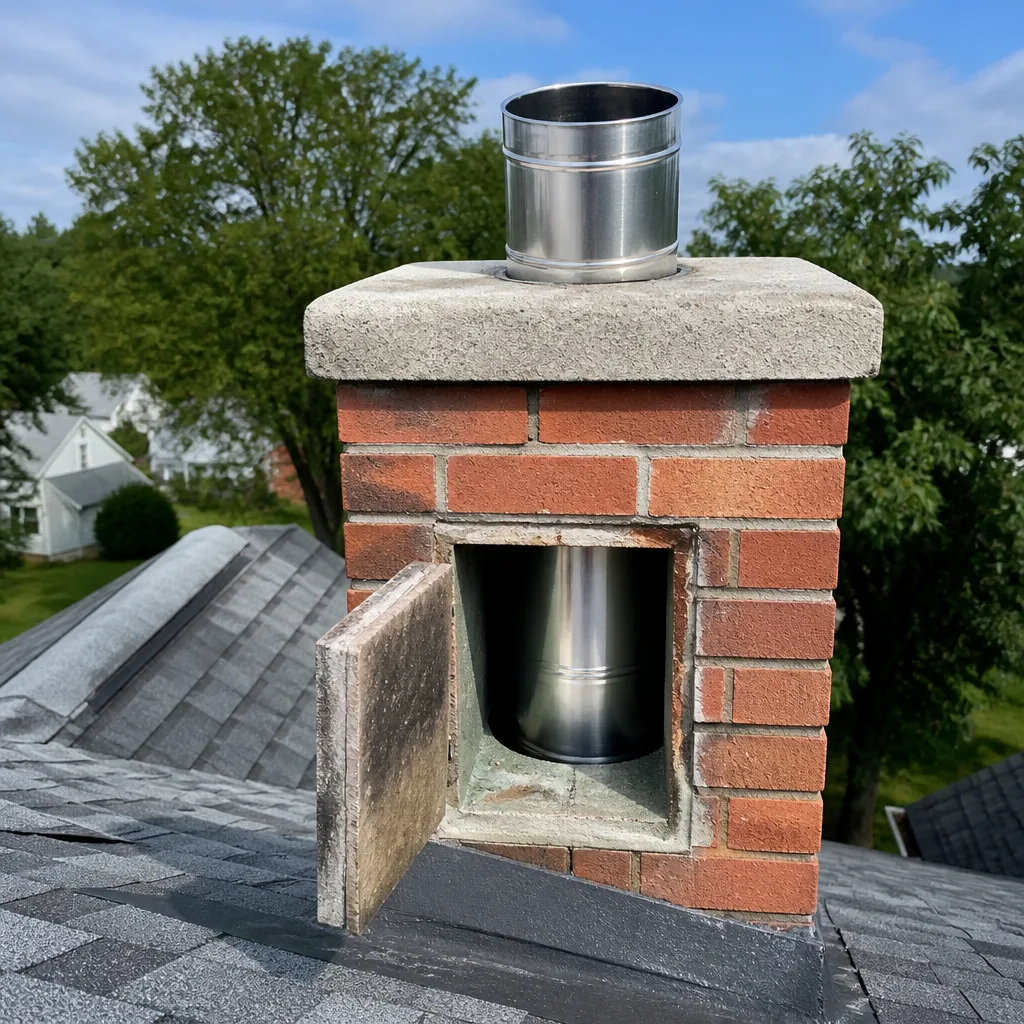 Flue relining
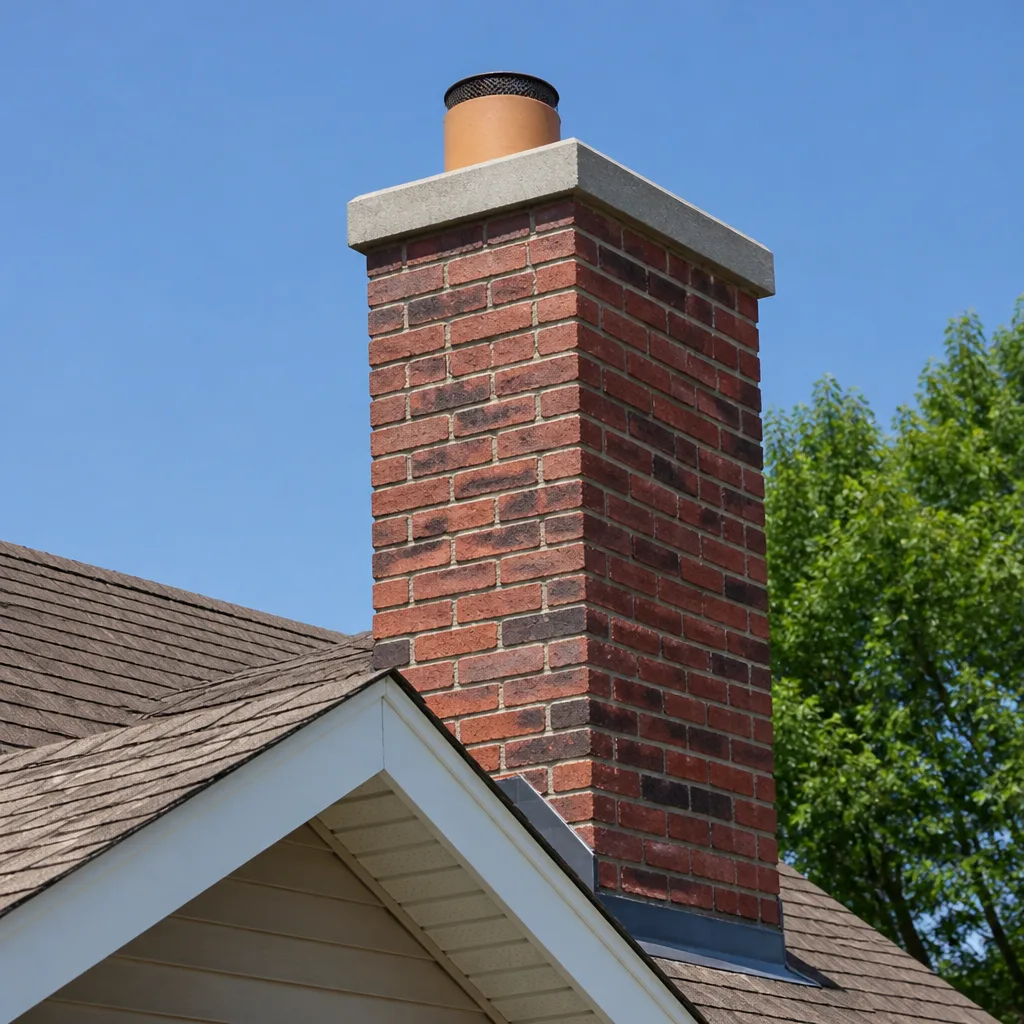 Masonry repair
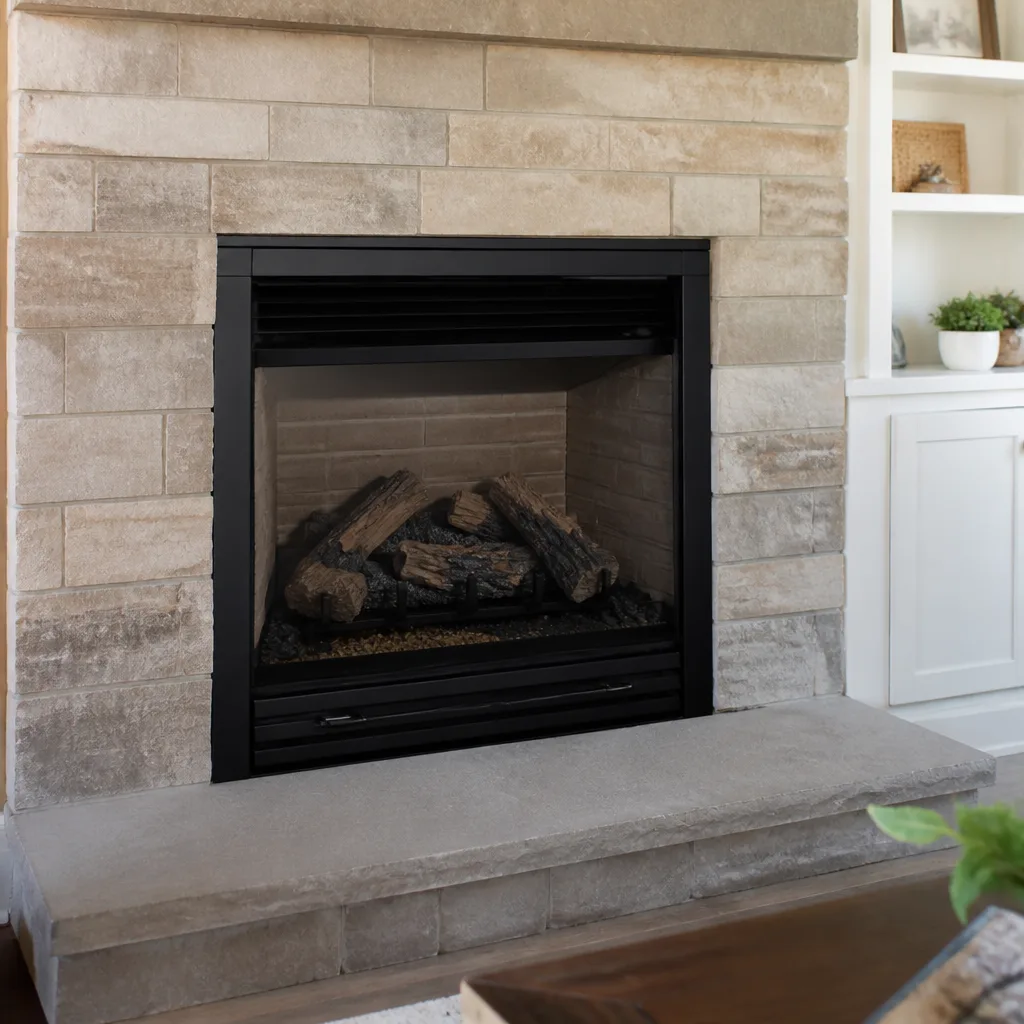 Gas fireplace service
Level 1 sweep and inspection to the NFPA 211 annual standard - flue, crown, cap, and flashing checked and photographed
Chimney sweep logs do not sweep chimneys. They loosen some creosote - which then falls where a brush and vacuum still have to collect it.
Chimney Cleaning Warning Signs: A Mott Haven Homeowner’s Reference Guide
A smoky smell in a room where no fire is burning isn’t a fireplace quirk. It’s your chimney telling you something. Either the draft has failed, an animal has built a nest in the flue, or the liner has a breach, and those three problems sit at very different urgency levels. The trouble is that most warning signs arrive quietly and get explained away as normal fireplace behavior. This guide is a reference tool, not a sales pitch. It maps what you notice, smell, hear, and see to what it usually means, so that when you call a technician in Mott Haven you already know what you’re describing.
Quick Answer
A chimney that needs cleaning tells you before it becomes dangerous, but the signs are usually misread. Watch for a smoky smell in unused rooms, smoke that rolls back into the room instead of rising, black creosote flakes on the firebox floor, a metallic ticking after the fire dies, and white staining on exterior brick above the roofline. Of these, backdrafting smoke, a strong creosote smell, and white staining on masonry call for immediate action. Light debris and occasional odor can usually wait for a scheduled visit.
Styles & brands we work with
- Sweep & inspection
- Caps & crowns
- Flue relining
- Masonry repair
- Gas fireplace service
Table of Contents
- What Does a Chimney Smell Tell You?
- Smoke Behavior: Reading the Draft
- Visible Debris and Creosote Build-Up
- Sounds Your Chimney Makes and What They Mean
- Exterior Masonry Changes Above the Roofline
- Immediate Stop Signs vs. Monitor-and-Wait Signs
- What to Do When You Suspect a Problem: A Step-by-Step Approach
- Why Mott Haven Chimneys Age the Way They Do
What Does a Chimney Smell Tell You?
Smell is the most overlooked warning sign, and in a Mott Haven row house the source is not always obvious. A strong acrid odor in a room you haven’t heated for weeks usually means one of three things: a damper that doesn’t close fully, a flue with a heavy creosote load, or a breached liner allowing combustion byproducts to migrate into the house. Each has a different cause and a different fix, and only a physical inspection can separate them.
The character of the smell is the first clue.
- Sharp, tar-like odor with no fire burning. Usually a heavy creosote load inside the flue. Glazed creosote smells like hot asphalt. It’s a flame risk and means you stop using the fireplace until someone looks at it.
- Damp, earthy, moldy smell. Moisture is getting into the flue or firebox. Water is the most common cause of masonry damage in older buildings. In a climate with wet falls and freezes, moisture in the brick is a structural problem within a season or two. Check the chimney crown and cap before anything else.
- Rotting-vegetation smell. An animal nest, dead bird, or squirrel debris on top of or inside the damper. This is a blockage problem, not a fire problem, but it still affects draft.
- Faint sour or smoky smell in an adjoining room. A liner breach or a gap at a shared flue tile joint. The chimney is exhausting into the wall cavity rather than the outside. This is one of the most serious signs on this list.
Older Mott Haven apartment buildings often share flue terminations among multiple units. A smell that only appears in one room, or after a neighbor lights a fire, points to a shared-flue issue rather than your own fireplace. That’s information worth mentioning when you book.
Where the smell turns up matters too. A smell in the room with the fireplace is a local problem. A smell in an upstairs bedroom, a hallway, or a closet means the exhaust is moving through the building structure, not up the flue. Treat that as urgent. Stop using the fireplace and arrange a professional inspection before the next fire, because the same failure that lets smell through can let carbon monoxide through.
One caution in our experience: a scented candle or a bowl of baking soda near the fireplace will mask the odor without fixing the cause. The smell is a diagnostic clue. Use it before you hide it.
Smoke Behavior: Reading the Draft
How smoke behaves when you light a fire tells you almost as much as the smell does. Properly drafted chimneys pull smoke steadily up and out. A chimney with a problem pushes it back into the room in one of three recognizable patterns, and each has a different cause.
- Smoke rolls into the room when you first light the fire. Cold flue. The chimney hasn’t warmed enough to reverse the airflow. This is common in damp weather and often self-corrects within a minute. If it’s happening every time in Mott Haven on fall mornings, the flue may be too short, the cap may be restricting airflow, or the liner may be the wrong size.
- Smoke holds steady but puffs and surges. Classic sign of a partially blocked flue. A bird nest, an animal crawling in, or a heavy layer of creosote on the flue tile wall will do this. Draft stalls, then builds pressure and blows past the blockage.
- Smoke enters the room in steady amounts throughout the fire. The most serious pattern. A crack in the flue tile, a misaligned liner section, or a damper stuck partially closed. Stop the fire and schedule an inspection.
Look at the fire itself. A fire that won’t stay lit even with dry wood is almost always a draft problem, not a wood problem. A fire that burns hot but produces visible smoke at the top of the firebox, rather than at the chimney mouth, is usually a liner or dampers issue.
If backdrafting keeps happening, don’t keep relighting the fire to test it. Repeated smoke exposure in a closed room is a health issue, and in a Mott Haven apartment the smoke doesn’t just stay in one room. Call for an inspection and use an alternative heat source until the system has been looked at.
Visible Debris and Creosote Build-Up
Debris where a fire just burned is normal. Debris where no fire has burned recently is not. The kind of debris matters, and so does the quantity.
- Black, flaky, ash-like material on the firebox floor. Creosote in its soft form. Normal accumulation with use. A sweep will clear it. It becomes a fire problem once it’s more than a light coating and when it glazes.
- Glazed, tar-like streaks on the firebox walls or inside the flue. Glazed creosote. This is the most flammable form, and the surface it sits on cannot be swept off with a brush. A professional-grade resurfacing product like HeatShield is often the answer, applied by a certified technician, and it can fix a pitted flue without a full reline.
- Leaves, twigs, feathers, or shredded paper. Animal or bird activity. The nest may be sitting on the smoke shelf or damper. Don’t burn a fire until the nest is cleared. It’s a fire hazard and a carbon monoxide risk.
- Soot streaks on the fireplace face or the wall above the opening. Smoke leaking past a damaged damper frame or a warped liner seam. It looks cosmetic but usually is not.
- White, flaky crust on the firebox interior brick. Salt deposits from repeated moisture exposure. The firebox or the surrounding masonry is damp, and the flue is not the only thing absorbing water.
Creosote in its glazed form is the fuel for a chimney fire. It accumulates fastest in smoky, cool-burning fires, which is what you get when wood is damp or the fire is choked down for the night. In Mott Haven, fires that smolder overnight on cool spring evenings are a common setup for this problem. Dry, well-seasoned wood and a hot fire keep creosote levels down between professional sweeps. It matters more than any additive or “cleaning log” will – those reduce the surface layer at best, not the buildup deep in the flue.
Sounds Your Chimney Makes and What They Mean
Chimneys make noise. Most of it is harmless. A few sounds are not. The trick is knowing which is which.
- A low, even roar while the fire is burning. Normal draft. You’ll hear it on a cold morning when the flue is pulling hard. Nothing wrong.
- Ticking or metal clinking after the fire dies down. Normal thermal contraction of the firebox or damper. If it happens while the fire is still hot, it can point to a loose damper frame or a liner section that has separated from the flue tile and is shifting with heat.
- Scratching, rustling, or chirping during the day or early evening. An animal in the flue. Birds and squirrels are the most common culprits. The sound is intermittent and stops when the animal settles. If your fireplace is connected to a flue with a missing cap, this happens most often in the late winter and spring when animals seek shelter. A Gelco cap installed over the flue terminal solves the cause.
- Whistling or howling on a windy day. Usually airflow past a loose cap, a cap with the wrong mesh size, or a gap in the crown. Not a fire risk on its own, but it means the top of the chimney has movement you should have looked at.
- A metallic ping or bang, once, when the fire is lit. A liner joint or a damper that has come off its hinge. Get it checked before the next fire.
In Mott Haven apartment buildings, a lot of chimney sound is not coming from your own flue. Shared flues and old interior walls carry sound through the building. If you hear scratching and there’s no cap on your own chimney terminal, that’s the place to start.
Exterior Masonry Changes Above the Roofline
The part of the chimney you can see from the street is often the most honest reporter of what’s happening inside. Moisture, heat, and time are hard on masonry, and here’s what we look for.
White staining on the exterior brick. That white, chalky crust is called efflorescence. It looks cosmetic and reads as “old building” to most people walking past. It’s not. It means water is moving through the brick, dissolving salts on the way, and depositing them on the surface as it evaporates. A chimney crown that has cracked, a cap that’s missing, or a flashing that’s pulled away from the roof – any of these will produce efflorescence. Left alone, the freeze-thaw cycle in southern New York widens cracks in the brick over a couple of seasons. What starts as a stain becomes spalling brick, then a structural repair.
From street level, look for:
- Spalling brick or flaking faces. The face of the brick popping off. Water freezing behind it.
- A tilted or darkly stained cap. A Gelco cap or similar stainless cap that’s moved or missing takes the first line of defense with it.
- A cracked crown or visible gap where the crown meets the flue tile. The crown is the concrete top of the chimney. Once it cracks, water runs straight down the flue.
- Rust stains on the chimney or flashing. The cap, damper, or flashing has started to fail.
- Visible gaps in the mortar joints. Repointing is a repair, not a cosmetic fix.
If you’re in a Mott Haven row house with a party wall, the chimney on the roof is often shared between buildings. Look at where the chimney cap, crown, and flashing meet the roof – that’s the seam that most often fails. If you’re seeing efflorescence or a cracked crown, that’s a call for a professional, and quickly. It’s a straightforward fix as a cap-and-crown job but becomes masonry repair if it’s left through a winter.
Immediate Stop Signs vs. Monitor-and-Wait Signs
Not every warning sign demands you stop using the fireplace today. Some do. The distinction is worth being clear about, because overreacting to a light layer of creosote costs as much as underreacting to a liner breach.
Stop using the fireplace immediately if you notice:
- Smoke entering the room in steady amounts throughout the fire. A liner or flue-tile breach.
- A strong tar-like or asphalt smell with no fire burning. Glazed creosote present in the flue.
- A roar that sounds like a freight train, or popping and crackling loud enough to be heard outside the room. Possible chimney fire. Get everyone out, call the fire department, and have the system inspected before any further use.
- Headache, dizziness, or nausea in a room with a burning fireplace. Possible carbon monoxide exposure. Leave the room, ventilate, and call for professional help.
- A visible crack in the firebox or a section of the flue tile missing. Structural breach.
- White efflorescence stains on the firebox interior brick, combined with a damp smell. The firebox has been compromised by water.
Schedule a service visit, but you can keep using the fireplace with care, if you notice:
- Occasional smoke rollback on first light, self-correcting within a minute.
- A light layer of soft, black creosote ash on the firebox floor.
- A faint musty smell in the fireplace after heavy rain.
- Bird activity near the chimney cap but no noise inside the flue.
- Mild efflorescence on the exterior brick with no visible cracks or spalling.
When in doubt, treat it as urgent. A carbon monoxide detector in a Mott Haven home above a fireplace is not a novelty. It’s the only warning you get for the failure mode that doesn’t announce itself.
What to Do When You Suspect a Problem: A Step-by-Step Approach
When you’ve noticed one or more of the signs in this guide, here’s how to approach it without either panicking or downplaying it.
- List what you’ve noticed. The smell, the smoke behavior, the debris, the sounds, the exterior appearance. Write it down. The more specific you are about symptoms, the more precise the technician’s first visit will be.
- Stop using the fireplace if any sign from the “stop immediately” list applies. Don’t test it by relighting. Don’t burn a small fire to see if the problem returns. Wait for an inspection.
- Look at the exterior from street level. The crown, the cap, the flashing, the brick face. Take a photo on your phone in daylight. This costs nothing and gives the technician something to compare against once they’re on the roof.
- Confirm your carbon monoxide detector is working. If there’s any suspicion of liner breach or backdrafting, this is the single most useful precaution you can take before a technician’s visit.
- Schedule an inspection. An inspection is done first, and the technician tells you what’s there before recommending anything. In our work we inspect first, recommend second. You should have the camera evidence in hand before any work is quoted.
- Ask for a written report. Chimney inspection follows NFPA 211 standards for safety and insurance documentation. Ask for photos of what was found, the flue, the firebox, and the exterior, and a written summary. Bring it to your insurer if you’re making a claim.
- Decide between repair and monitoring. Not every notation becomes a repair. Part of what a good inspection does is tell you which items to watch and which to fix.
Whatever happens, don’t call a general contractor first. Chimney work is a single trade. A roofer or a handyman who offers to “take a look at the chimney” is not the person who should sign off on whether a flue is safe. The work includes the flue, the damper, the firebox, the crown, and the cap – each of them a different failure mode. In Mott Haven, that matters most in older row houses where the stack has been rebuilt or patched at some point and doesn’t match the original flue configuration.
Why Mott Haven Chimneys Age the Way They Do
Chimneys in Mott Haven see a specific combination of pressures, and they show up as the same warning signs on repeat. Most homes and apartment buildings here are older than sixty years, many were built with unlined flues or with clay tile flue liners that have seen multiple repairs. Side streets off Alexander Avenue, the brick buildings closer to St. Mary’s Park, and the older row houses near the Willis Avenue Bridge all share the same underlying architecture: mass masonry chimneys, often with two or three flues in a single stack, sometimes shared across units.
The local climate compounds it. Southern New York sees wet autumns, then freezing winters, then spring freeze-thaw cycles. Water gets into the masonry during the fall and expands in the winter. That’s the pattern behind most of the white efflorescence and spalling brick you’ll see on chimneys from the street in Mott Haven. A cap and crown in good condition is the simplest defence against the whole cycle.
The heating season here runs long. Fires get used through November, December, January, February, and often into March and April. That means creosote accumulates over a longer stretch than a homeowner in a warmer climate would have to deal with, and it accumulates faster when fires are choked down for slow burns on cold nights.
We’ve worked on enough systems here to know that most Mott Haven chimneys fail for the same three reasons: a missing cap, a cracked crown, or a smoldering fire habit that leaves glazed creosote behind. The cleaning and repair side of the business exists because of those three things. A Gelco stainless cap, a crown repair with a proper mortar mix, and a change to how the fire is run all address the causes. That’s the difference between a fix and a repeat visit.
Common Mistakes to Avoid
- Assuming a smoky smell is normal fireplace behavior. It’s a diagnostic sign. A faint smoky smell in an adjoining room is one of the most common indicators of a liner breach, and it’s routinely ignored until the problem is much bigger.
- Burning a fire to “burn off” creosote or clear a bird nest. Both are fire hazards. Glazed creosote catches, and a nest on the smoke shelf can ignite. Clear the flue professionally.
- Treating white staining on exterior brick as cosmetic. Efflorescence is the first visible sign that water is moving through the masonry. It’s the cheapest warning sign to act on and the most expensive to ignore over a Mott Haven winter.
- Hiring a sweep who doesn’t do cap and crown work. Most chimney problems start at the top of the stack. A sweep-only service will clean the flue and leave the cracked crown and missing cap that got it dirty. Ask for the whole system to be looked at, and for the technician who inspects to be the one who repairs.
- Skipping the inspection when the wake-up call is a home-inspection report. If a report flagged something, the next step is a full inspection with photos and a written summary, not a quick sweep and a rough verbal assessment.
- Ignoring a carbon monoxide detector that has never gone off. A CO detector that’s never been triggered isn’t proof the chimney is fine. It means the failure mode hasn’t happened yet. Test the detector at the start of every heating season in Mott Haven.
- Booking a repair before the inspection. It’s the right order for a reason. Inspect first, recommend second. Any company that quotes you a reline or a repair over the phone without seeing the flue hasn’t given you a real quote.
See the difference
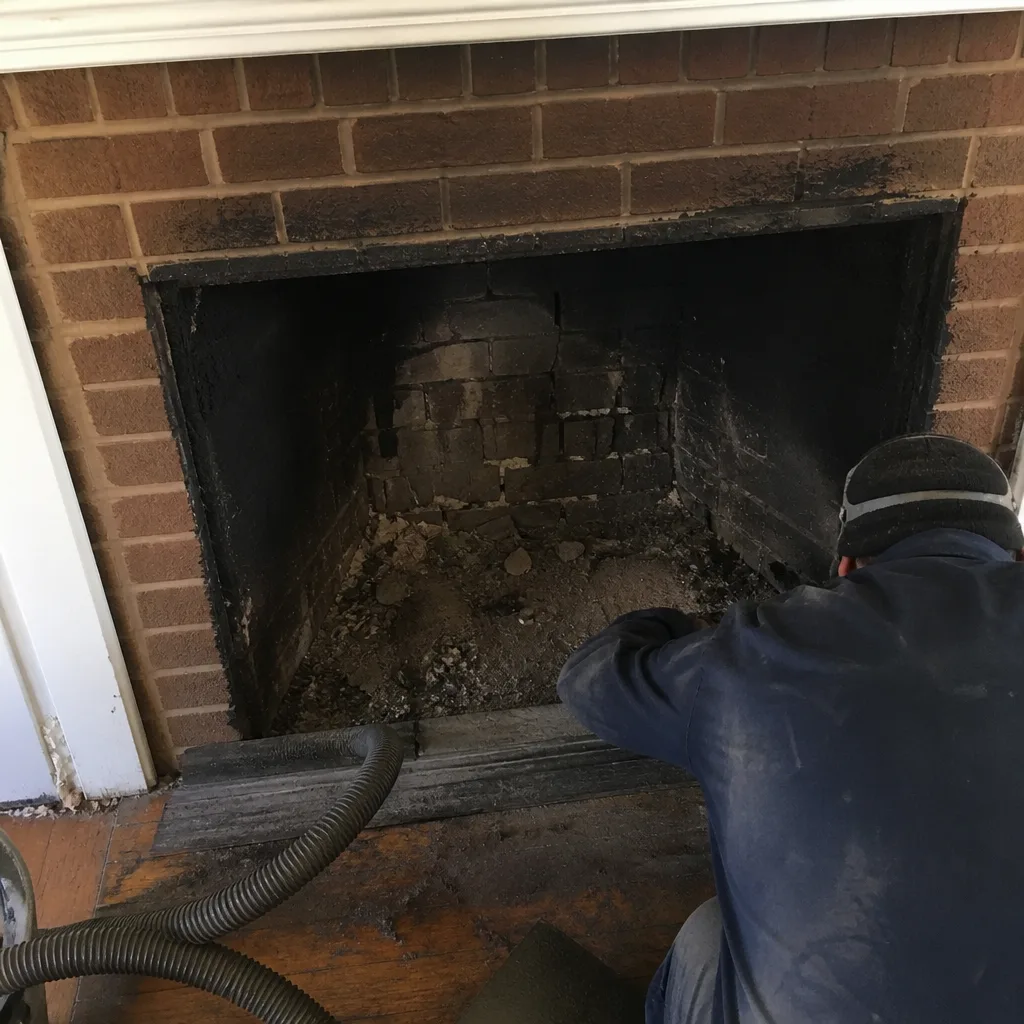 Before
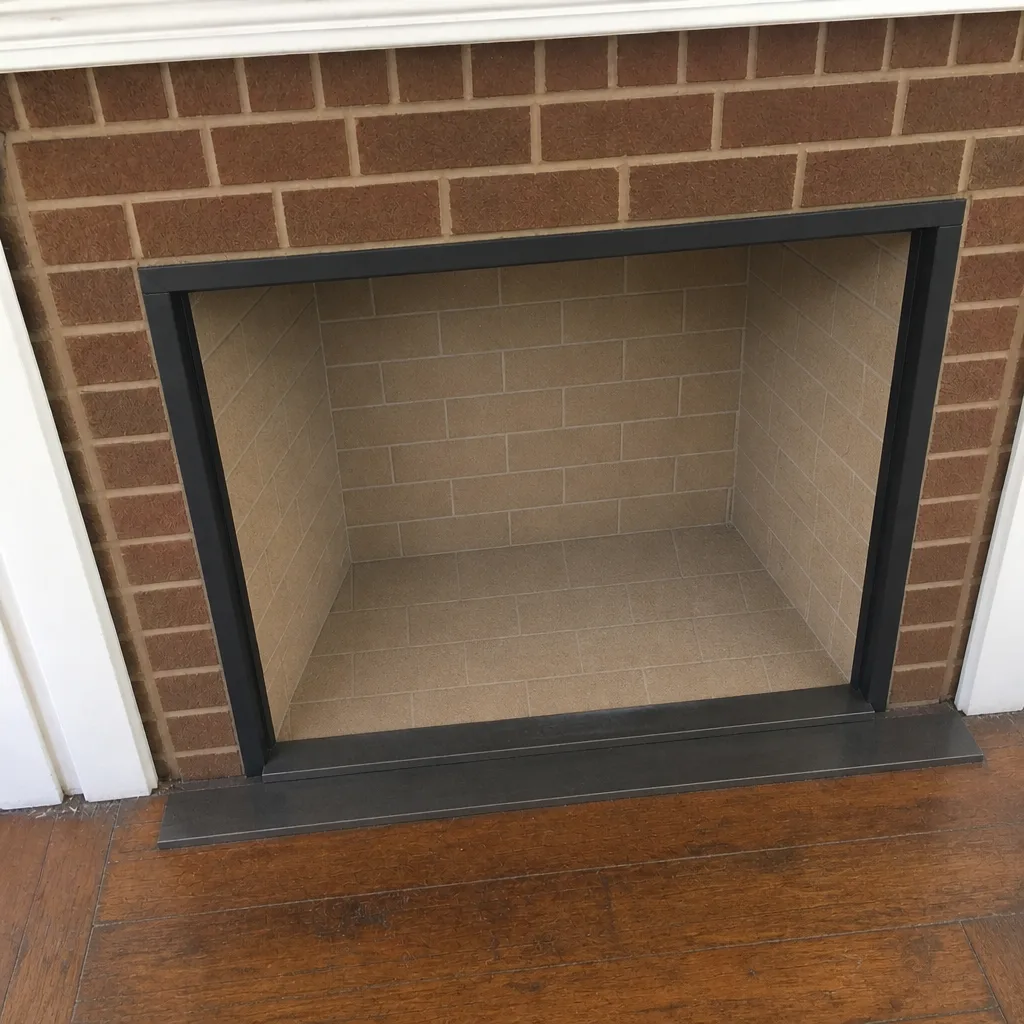 After
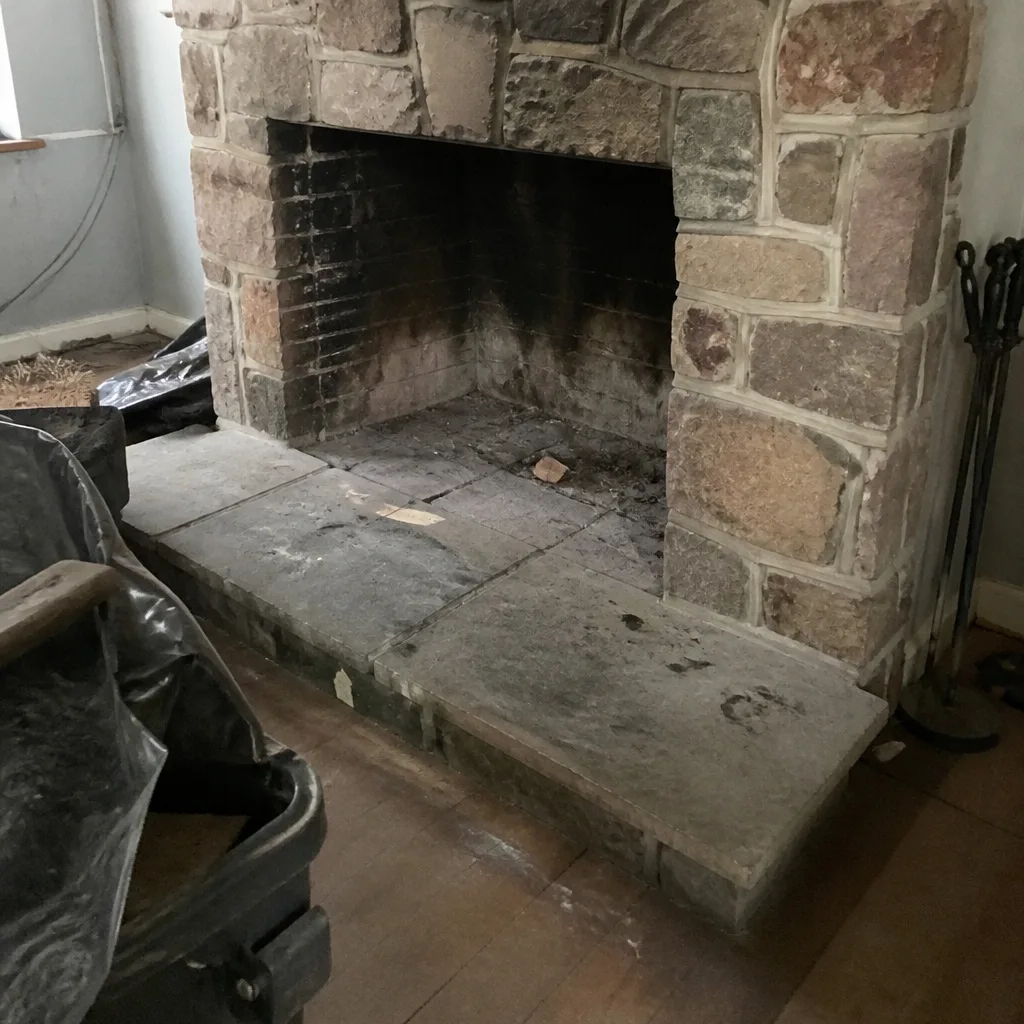 Before
 After
 Before
 After
When to Call a Professional
Call a professional when any sign on the “stop immediately” list applies, when you’re not sure whether a symptom is urgent, or when it’s simply time for the annual inspection. If you’ve never had a chimney inspection and you’re burning wood in a Mott Haven home, get one this season – the first visit will establish a baseline that makes everything afterward quicker and cheaper to track. Call us when you’ve been flagged by a home inspection report and want photos and a written summary you can act on. Call us when the masonry on your chimney is showing efflorescence, a cracked crown, or a missing cap, because that’s the cheapest repair the chimney will ever need. And call us when the smell turns up in a room where the fireplace isn’t.
Chimney Sweep Mott Haven offers free estimates in Mott Haven. Call (855) 726-7555. We answer 24/7. Fast dispatch from 7am to 7pm, Sunday through Friday. A call outside dispatch hours is booked into the next opening, Sunday through Friday, 7am to 7pm.
Frequently Asked Questions
Once a year if you burn wood regularly, and once a year even if you don’t, because the inspection catches moisture and animal problems that don’t need a fire to start. The NFPA 211 standard is an annual inspection, and the sweep itself is based on how much creosote has accumulated. A long heating season here means a mid-season check is worth it if you burn daily from fall through spring.
A sweep cleans the flue. An inspection assesses the whole system – flue, firebox, damper, crown, cap, exterior masonry – and documents its condition. Most problems in a Mott Haven chimney need both. The inspection is the diagnostic step. The sweep is part of the maintenance once you know what’s going on. Our chimney sweep service is booked separately from an inspection and often follows one.
Yes, and it’s the most important warning sign on this list. If the flue tile has cracked or a section of the liner has separated, exhaust finds the path of least resistance – which can be the wall cavity or the room itself rather than the top of the chimney. A faint, persistent smoky smell in a room where no fire is burning, particularly when it appears at the same time as a neighbor’s fire, points at a shared flue or a liner issue. Stop using the fireplace and book an inspection.
Yes. Efflorescence is the visible sign that water is moving through the masonry and evaporating from the surface. It’s the first stage of a process that ends in spalling brick and a structural repair if it runs through a few freeze-thaw cycles. A cracked crown, a missing cap, or failing flashing are the usual causes. Our chimney cap & crown service handles both ends of that repair.
Scratching, rustling, or chirping during the day, going quiet in the evening. That’s the pattern of a bird or squirrel sitting on top of the damper. A loose liner section sounds different – a metallic tick or pop as the fire heats up, not during the day. The two confuse each other when the liner is old and the cap is missing, which is exactly the combination we find most often in Mott Haven row houses. A Gelco stainless cap on the flue terminal prevents the animal problem entirely, and a chimney repair visit handles the liner fix.
Stop if the sign is severe: backdrafting smoke, a strong tar-like smell with no fire burning, a roaring or popping fire, a headache or CO symptom, a visible crack in the firebox, or a missing liner section. Those are the signs that mean the chimney is not doing what it’s supposed to do. Milder signs – a light creosote coating, occasional smoke rollback that self-corrects, a faint musty smell after rain – can be monitored until a scheduled visit. When you’re not sure which side of that line you’re on, call. Inspect first, recommend second is how a real assessment works. We answer 24/7 at (855) 726-7555, and we book calls outside dispatch hours into the next opening.
The Bottom Line
The chimney tells you what’s wrong before it becomes dangerous, but only if you know what to look for. Smell, smoke behavior, debris, sounds, and exterior masonry are the five places to check. Of those, backdrafting smoke, glazed creosote, a strong tar-like smell, white efflorescence on exterior brick above the roofline, and any sign of carbon monoxide exposure are the ones that mean stop the fire and call. The milder signs – soft ash, occasional rollback, a bit of masonry staining – are a scheduled visit. In a Mott Haven row house, most of these problems trace back to a missing cap, a cracked crown, or heavy creosote from smoldering fires. Get a proper inspection once a year and you’ll catch most of them before they cost more than a sweep.
Contact
If any part of this guide matches something you’ve noticed in your own Mott Haven home, call (855) 726-7555 for a free estimate. We inspect first, recommend second, and you get photos and a written report before any work is quoted. Our technicians have up to 14 years of experience, working with professional-grade materials from Gelco, Olympia Chimney, Famco, and Copperfield. From sweep to repair in one call.
Written by the team at Chimney Sweep Mott Haven.