
Last updated November 25, 2026
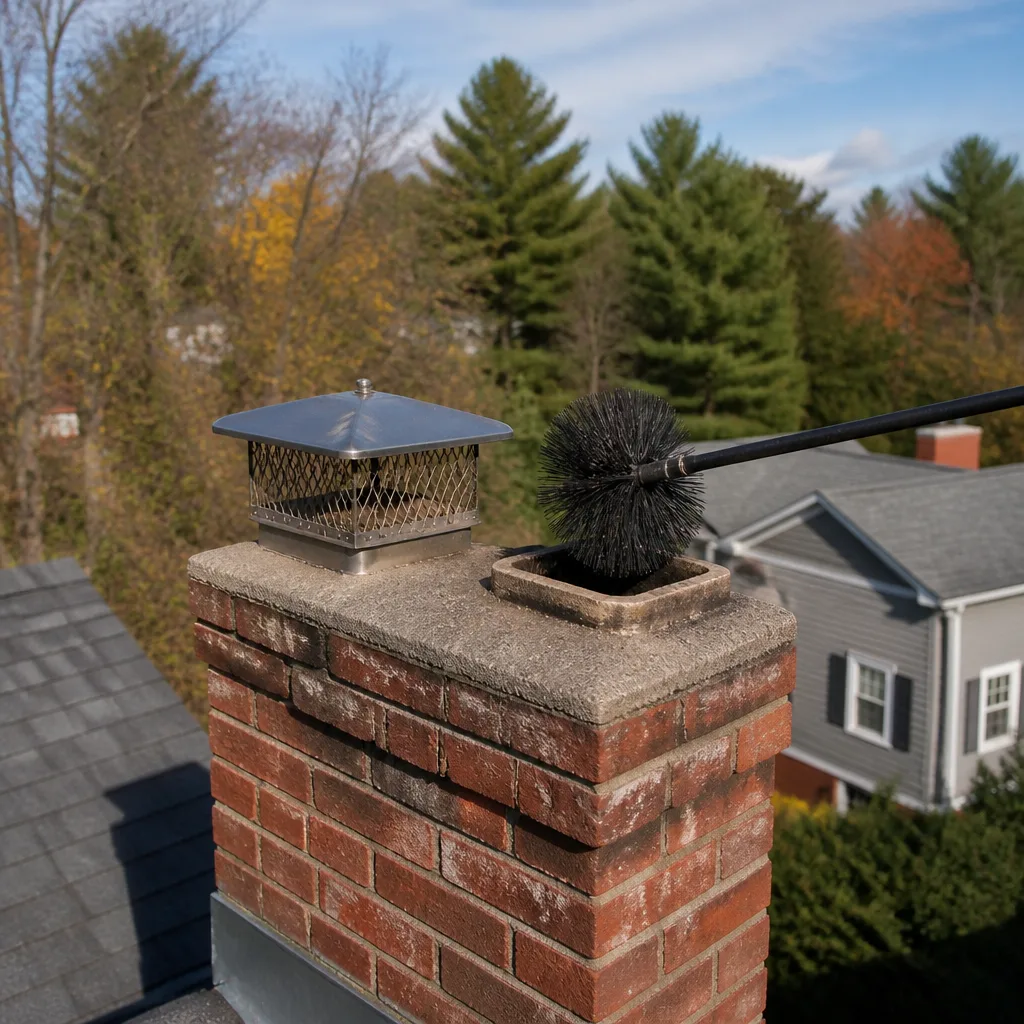 Sweep & inspection
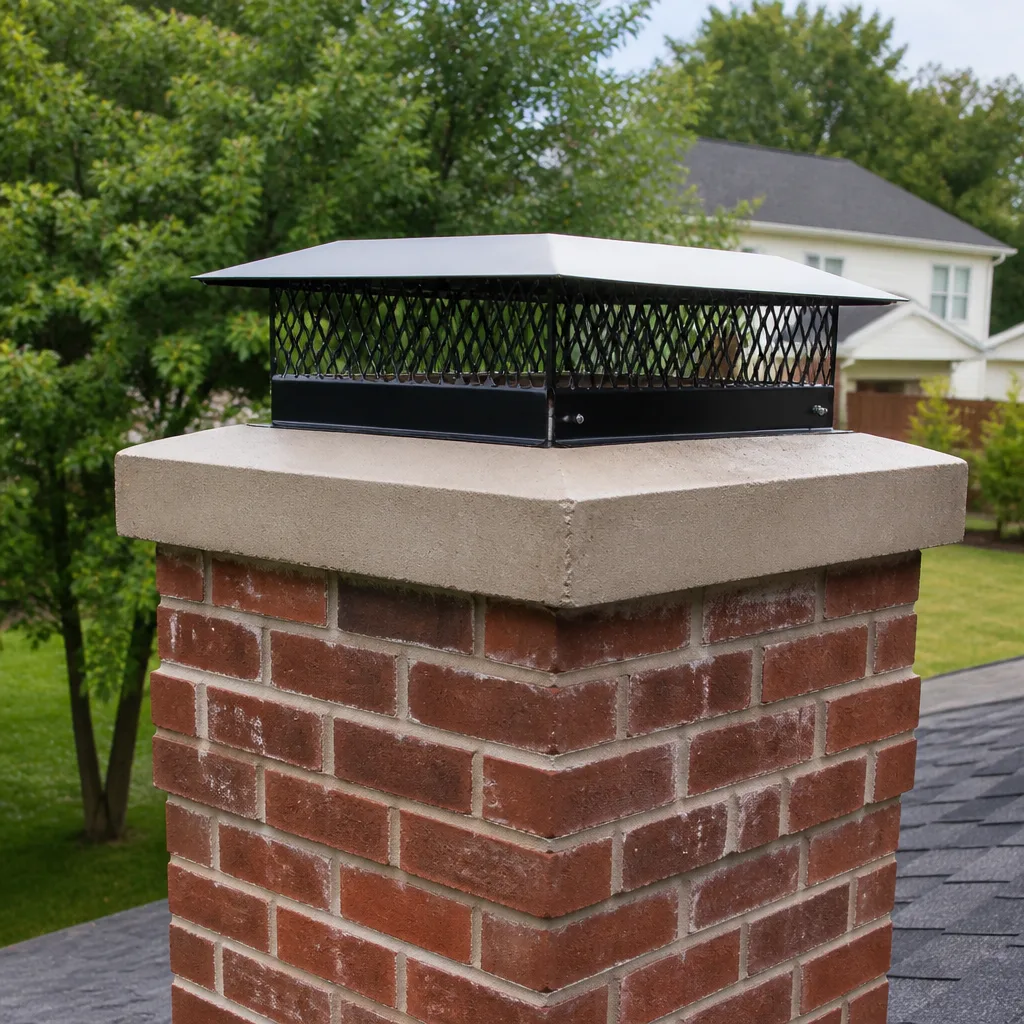 Caps & crowns
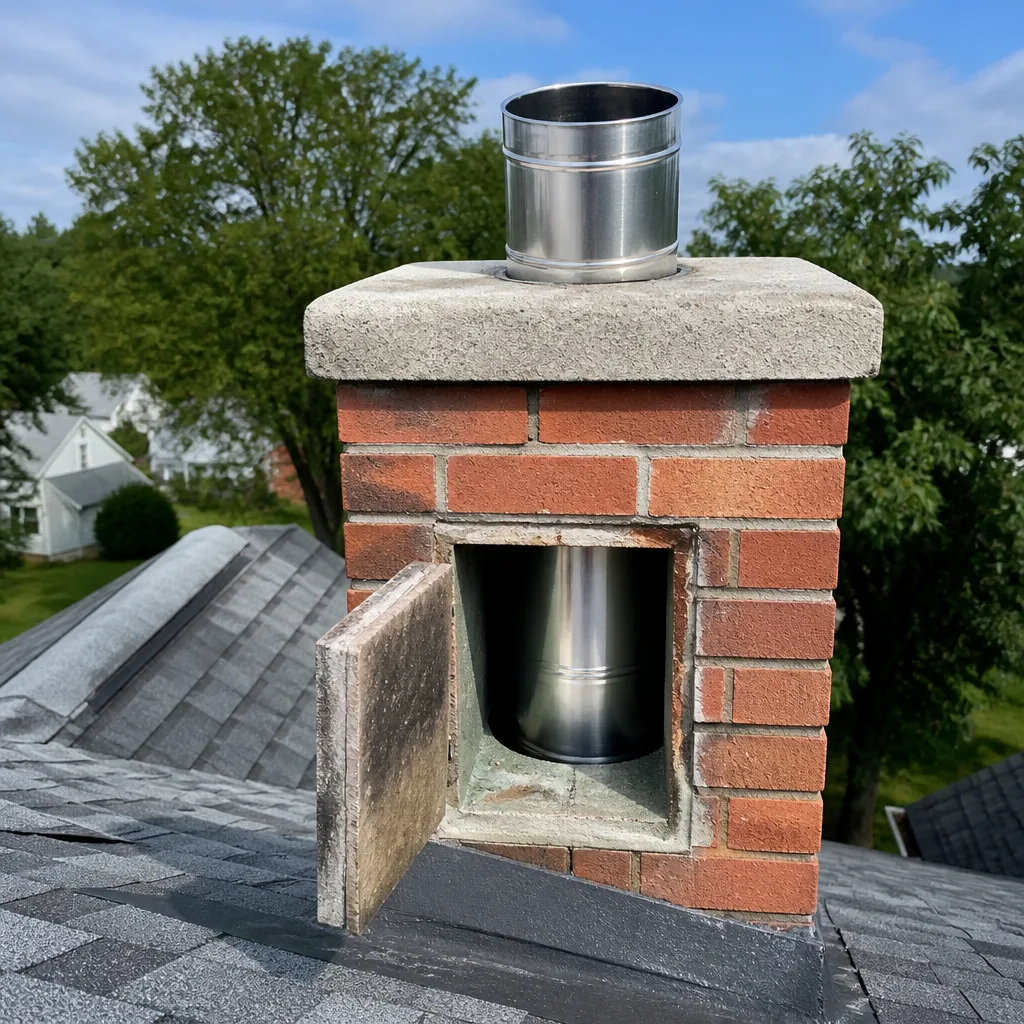 Flue relining
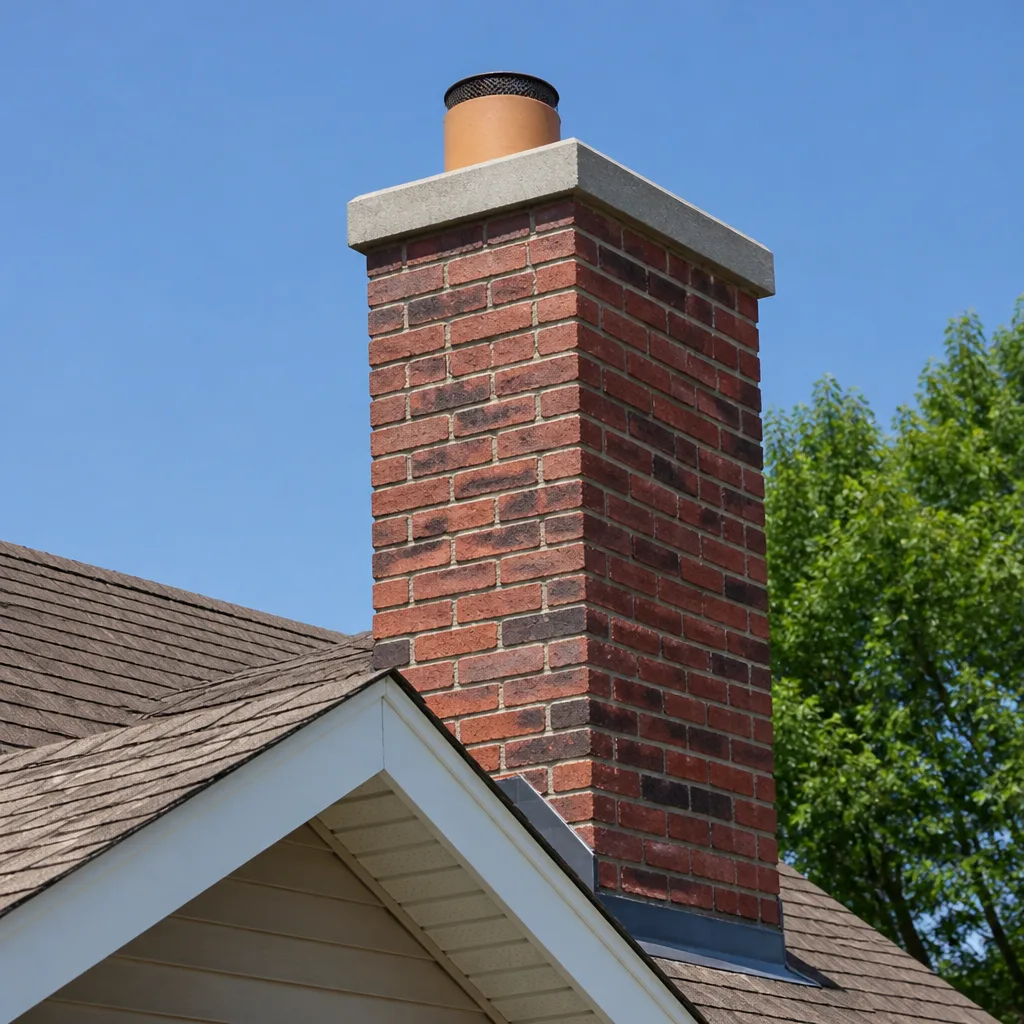 Masonry repair
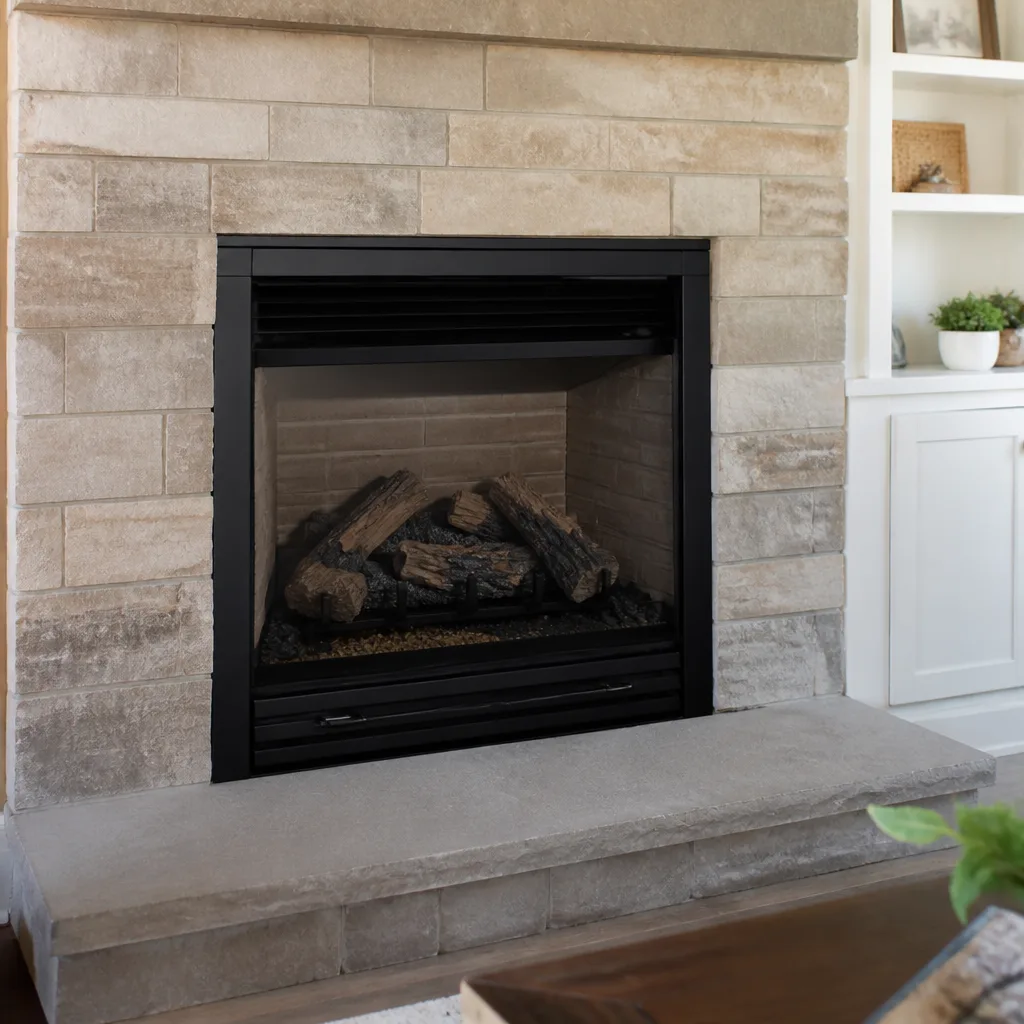 Gas fireplace service
Level 1 sweep and inspection to the NFPA 211 annual standard - flue, crown, cap, and flashing checked and photographed
Chimney sweep logs do not sweep chimneys. They loosen some creosote - which then falls where a brush and vacuum still have to collect it.
The Complete Guide to Chimney Cleaning in Mott Haven
Most chimney fires don’t start because a homeowner ignored the fireplace. They start because a cleaning was done without ever opening the damper or checking the smoke chamber above it. A technician runs a brush down the flue, tells you it looks fine, and leaves. The creosote glazing the smoke chamber and the shelf above the damper throat never gets touched. In Mott Haven, where a lot of the housing stock is pre-war and mid-century rowhouse construction with shorter flue runs than you’d find on a suburban house, that skipped zone matters more than it would elsewhere. This guide walks through every component of your chimney system, what a real cleaning should cover, and what gets missed when it doesn’t.
Quick Answer
Chimney cleaning in Mott Haven is a full system check, not just a flue brushing. A proper visit covers the firebox, damper, smoke chamber, flue liner, and crown and cap, and it’s paired with an inspection against NFPA 211 standards. The cost is set per job by a written estimate, and we provide free estimates. Call (855) 726-7555 to book a sweep.
Styles & brands we work with
- Sweep & inspection
- Caps & crowns
- Flue relining
- Masonry repair
- Gas fireplace service
Table of Contents
- Why Mott Haven Chimneys Behave Differently
- The Five Zones of a Chimney System
- Stage 1, 2, and 3 Creosote: What Changes the Cleaning Method
- Level 1 Cleaning vs. Level 2 Inspection-Cleaning
- What CSII Standards Require a Technician to Document
- A Step-by-Step Walkthrough of a Proper Cleaning Visit
- How Often Should You Sweep in Mott Haven?
- Moisture, Heat, and Time: What We Look For
Why Mott Haven Chimneys Behave Differently
Mott Haven sits in the South Bronx, and the housing stock here isn’t the same as what you’d find north of the city or in the suburbs. A large portion of the neighborhood’s rowhouses and tenements went up in the pre-war and mid-century decades, which means shorter flue runs, masonry chimneys built into shared walls, and interior stack configurations that don’t always draft the way a freestanding suburban chimney does. Shorter flue runs mean less time for flue gases to cool before they exit, but they also mean creosote deposits concentrate in a tighter band. We see heavy buildup in the upper third of the flue more often than scattered along the whole length.
Shared walls change things too. A chimney running inside a party wall loses heat to the neighboring structure on one side. That cooler surface encourages condensation of creosote vapor onto the liner, particularly at the smoke chamber and the first few feet of flue above it. This isn’t a reason to panic. It is a reason a Mott Haven cleaning needs a closer look at the smoke chamber than a cleaning on a detached house in a colder climate usually does.
Roof access is another local reality. Dense rowhouse construction often means steep roof pitches, shared parapets, and limited clearance around the crown. A technician who isn’t set up to work safely on that kind of roof will sometimes clean from inside only, which is a legitimate method, but it means the crown and cap don’t get the same scrutiny. If the top of your system hasn’t been checked in a while, ask about it.
If you’re dealing with a chimney problem that’s more than cleaning, our chimney repair service handles the structural work that follows an inspection. For routine visits, book a chimney sweep and we’ll walk you through the whole system.
The Five Zones of a Chimney System
A chimney isn’t a single tube. It’s five interdependent zones, and a thorough cleaning touches all of them. If a technician only brushes the flue and skips the rest, that’s not a full cleaning, no matter how much soot comes out.
1. Firebox
The firebox is where combustion happens, and it takes the most direct heat. Cleaning means removing ash, soot, and any debris left behind by previous fires. We also check the firebrick and mortar joints for cracking. A cracked firebox brick lets heat reach the masonry behind it, which is where you start to see damage that a brush alone will never find. Cleaning without checking the firebox is a waste of a visit.
2. Damper
The damper is the metal plate that opens and closes the flue. It’s a moving part, and moving parts fail. A damper that’s stuck open wastes heat. One that’s stuck closed sends smoke into the room. Cleaning the damper means wiping it down, checking that it opens and closes fully, and confirming the frame isn’t warped from heat. A lot of skipped cleanings never touch the damper at all.
3. Smoke Chamber
Above the damper is a sloped chamber that funnels smoke into the flue. Its angled walls catch creosote in ways the straight flue doesn’t, and it’s harder to reach. This is where the opening hook of this guide lands: most chimney fires that originate in a “clean” chimney start here, because the smoke chamber above the damper was never opened or examined. Cleaning the smoke chamber properly requires access and specific tools. Ask whether your technician plans to open it.
4. Flue Liner
The liner is the inner surface the smoke travels through. Clay tile liners are common in Mott Haven’s older housing, and they crack with heat cycling over time. Cleaning the flue means brushing the liner, then inspecting it with a camera for cracks, gaps, and gaps between tiles. A camera inspection with a photo report included in the visit is how you actually see what’s going on. You shouldn’t have to take anyone’s word for it.
5. Crown and Cap
At the top of the system, the crown is the concrete or masonry surface that sheds water away from the chimney, and the cap is the cover that keeps rain and animals out. Both take a beating from weather. A cracked crown lets water into the masonry, and water is the single biggest cause of long-term chimney failure. A missing cap lets birds, squirrels, and rain straight into the flue. We install and work with chimney cap & crown components from brands like Gelco, and a lot of our Mott Haven visits end with a cap or crown recommendation because that’s where the real risk is. If your cap is missing, don’t wait for the next cleaning to address it.
Stage 1, 2, and 3 Creosote: What Changes the Cleaning Method
Creosote is the residue left behind when wood smoke cools on its way up the flue. It doesn’t come in one form. The form it takes determines how it gets removed, and how urgently. There are three stages, and they behave very differently.
Stage 1: Soot and Flaky Creosote
This is the light, dusty, flaky deposit you can brush off with a standard flue brush. It builds up from regular fires, especially in a chimney that gets decent draft. A standard brush cleaning handles Stage 1 without much drama.
Stage 2: Glazed Creosote
Stage 2 is where creosote has condensed into a harder, shinier coating that clings to the liner. It’s harder to brush off, and it ignites more readily than Stage 1. A general-purpose brush often skips over it rather than removing it. Stage 2 buildup is where a technician should be using specific tools designed for glazed deposits, and where the cleaning method has to adjust. This stage is common in Mott Haven chimneys with shorter flue runs, because the smoke cools faster before it exits and deposits higher up the liner.
Stage 3: Puffy, Spongy, Highly Flammable
Stage 3 creosote is a soft, puffy, tarry deposit that’s the most flammable form. It’s also the hardest to remove. Brushing won’t get it. It sometimes needs chemical treatment over multiple visits before the flue can be cleaned safely. Stage 3 buildup is a genuine fire hazard, and this is the point where a visit shouldn’t end with “we’ll get the rest next time.” It ends with a plan.
The key point: the creosote stage isn’t a detail a homeowner needs to diagnose. It’s a detail a technician has to document. If your cleaning visit didn’t specify what kind of creosote was present, the report was incomplete.
Level 1 Cleaning vs. Level 2 Inspection-Cleaning
Not every visit is the same visit. The chimney industry distinguishes between cleaning levels, and the distinction matters for what you’re paying for.
Level 1: Routine Cleaning and Visual Check
A Level 1 visit is the standard annual cleaning. It covers the readily accessible parts of the system: the firebox, damper, smoke chamber, and flue, plus a visual inspection of the accessible portions. It’s appropriate when the chimney has been used regularly and normally, with no known changes to the system and no performance problems.
Level 2: Cleaning Plus Full Inspection
A Level 2 visit adds a camera inspection of the flue and a closer look at all accessible components. It’s what you want when something has changed. Specifically, a Level 2 is typically needed when:
- A home inspection report flagged the chimney or fireplace
- You’ve just bought or moved into a Mott Haven property and don’t know the chimney’s history
- You’ve changed fuel type or had a new appliance connected
- You’ve had a chimney fire, even a small one you put out yourself
- You’re noticing smoke backdraft, odor, or performance problems
- The chimney has visible damage, or you haven’t had it checked in years
In Mott Haven, the home purchase scenario is the most common reason a Level 2 gets booked. A lot of rowhouses change hands with chimneys that haven’t been inspected in a decade or more, and a visual check alone won’t show you a cracked tile liner or a void in the smoke chamber. The camera does.
If a Level 2 turns up a liner that’s deteriorated but not failing, one option is HeatShield ceramic resurfacing, which rebuilds the interior surface of the liner without a full reline. Not every system is a candidate, and that call belongs in the inspection report, not in a sales pitch.
What CSII Standards Require a Technician to Document
Standards bodies exist for a reason. The Chimney Safety Institute of America and NFPA 211 set expectations for what a cleaning visit should produce, and those expectations are the difference between “we took a look and it seemed fine” and an actual record. Our inspections align with NFPA 211 standards for safety and insurance documentation purposes.
When the visit is done, you should have documentation covering:
- The condition of the firebox, with any cracked brick or mortar noted
- The damper’s operation and condition
- The smoke chamber’s condition and whether it was accessed
- The flue liner’s condition, including any cracking, gaps, or deterioration
- The crown and cap condition, including whether they’re intact and correctly fitted
- Photos from a camera inspection where one was performed
- Any recommendation, with the evidence that supports it
A verbal “it looks fine” isn’t documentation. It’s a conversation. If you’re hiring a sweep in Mott Haven, ask at booking whether the visit includes a photo report. If the answer is vague, that’s your answer.
Some chimney issues are structural and go beyond cleaning. For those, our chimney repair service picks up where the inspection leaves off, which is the practical reason to keep one company involved from sweep to repair.
A Step-by-Step Walkthrough of a Proper Cleaning Visit
Here’s what a full cleaning visit should cover, in order. If a visit happens faster than this, or skips steps, it isn’t the same job.
- Set up containment. Drop cloths and a vacuum with proper filtration go in before anything is opened. Soot travels; a clean visit starts with protecting the room.
- Open the firebox and clean it. Ash and debris come out first, then the firebrick and mortar joints get checked for cracks.
- Inspect the damper. Confirm it opens and closes fully, and note any warping or sticking.
- Clean and inspect the smoke chamber. This is the step that gets skipped most often. The angled walls above the damper get brushed, and any glazed creosote is documented by stage.
- Brush the flue liner. The right brush for the liner material, worked full length. Stage 2 or Stage 3 creosote needs specific tools or treatment beyond a standard brush.
- Camera-inspect the flue. A Level 2 visit includes this. Cracks, gaps, and voids get photographed.
- Move to the roof. Check the crown for cracking or spalling, check the cap for damage or missing components, and confirm the flue termination is clear.
- Report and recommend. You get the findings, the photos, and any repair recommendation. Nothing gets proposed without the inspection evidence behind it.
You should be able to see the evidence for yourself before any repair is discussed. That’s the reason we don’t recommend liner work or masonry work without camera documentation.
How Often Should You Sweep in Mott Haven?
The short answer is once a year for a wood-burning fireplace that’s used regularly. The fuller answer depends on how much you burn and what shape the system is in. The industry standard is an annual inspection and cleaning as needed, and in practice, most Mott Haven households running a wood fire through the colder months should plan on a yearly sweep.
A few things shift the frequency:
- Burn volume. Heavy burning through the winter means more creosote and a shorter interval between cleanings.
- Wood quality. Unseasoned wood burns cooler and smokes more, which means more creosote deposits in less time. If your wood isn’t dry, tighten the interval.
- Flue configuration. Mott Haven’s older rowhouse chimneys with shorter flue runs tend to concentrate deposits. That’s a reason to stay on schedule rather than let a season slide.
- Fuel type. A gas fireplace doesn’t produce creosote the way wood does, but it still needs an annual inspection to check the venting and the appliance’s condition. Gas appliances introduce carbon monoxide risk, and that’s true year-round.
Burning season is the practical anchor. Booking a sweep before the season starts means the chimney is clean when the first fire is lit, not after a partial season of buildup. Call (855) 726-7555 and we’ll get you on the schedule ahead of the burn.
Moisture, Heat, and Time: What We Look For
Masonry is hard-wearing, but it isn’t invincible. Three forces work on a chimney every year: moisture, heat, and time. A good inspection evaluates all three, and most of the expensive repairs we see start with the first one.
Moisture
Water enters a chimney through a cracked crown, a damaged or missing cap, or a chimney that’s lost its flashing seal where it meets the roof. Once water gets into masonry, it freezes and expands in cold weather, which spalls the surface and opens cracks further. This is why a cracked crown or missing cap is a bigger deal than it looks. The roof components get fixed with a cap or crown replacement from a brand like Gelco or Olympia Chimney, and the masonry behind them gets evaluated for damage already done.
Heat
Heat cycling expands and contracts the masonry and the liner each time the fire runs. Over years, that cycling is what cracks clay tiles and loosens mortar joints. Heat damage is cumulative and invisible from the room; the camera inspection is how you see it.
Time
Settle and time do what they do to any masonry structure. Mortar joints weaken, crowns crack, and liners deteriorate. None of this fails suddenly, but it’s also not something you can feel from the living room. A yearly visit catches the drift before it becomes a repair.
If the structural work has already started to add up, our chimney repair service is the next step. For the top-of-chimney work, our chimney cap & crown service handles the components that keep the water out.
Common Mistakes to Avoid
- Hiring a general handyman to sweep. A sweep who also does roofing, HVAC, and general repairs doesn’t have the same focus on the chimney system. The smoke chamber and the liner details are where the trade-level knowledge matters, and a generalist visit tends to miss them.
- Accepting “it looks fine” without documentation. A verbal pass on a chimney visit is not the same thing as a photo report. In a Mott Haven rowhouse with an unknown chimney history, ask for the photos.
- Skipping the smoke chamber. This is the zone most chimney fires that start in a “clean” chimney actually originate from. If your cleaning didn’t open the damper and access the chamber above it, the visit didn’t cover the system.
- Ignoring a missing or damaged cap. Rain and animals get in through an open flue. A cap is one of the least expensive components in the system and one of the most consequential to let go. Gelco and Olympia Chimney components are what we install.
- Burning unseasoned wood to stretch a cord. Wet wood smokes more and deposits creosote faster. It’s a false economy that turns into a Stage 2 buildup by mid-season.
- Treating a home inspection flag as something you’ll get to. A flagged chimney in a Mott Haven purchase is a Level 2 situation. Putting it off means operating a system you don’t have a condition report for.
- Booking a cleaning and a repair with different companies. When the sweep and the repair are done by two different trades, findings get lost in translation. Keeping one company through the whole process means the repair plan actually reflects what the inspection found.
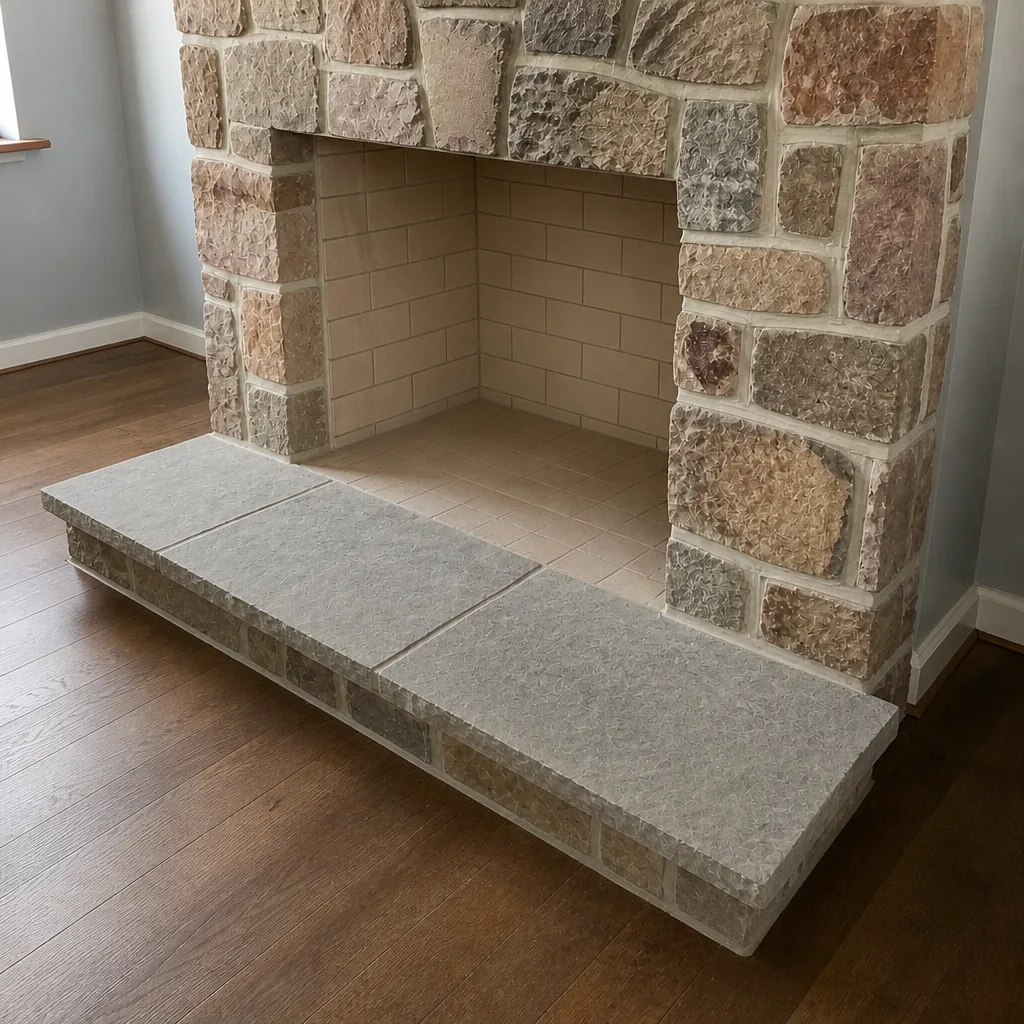
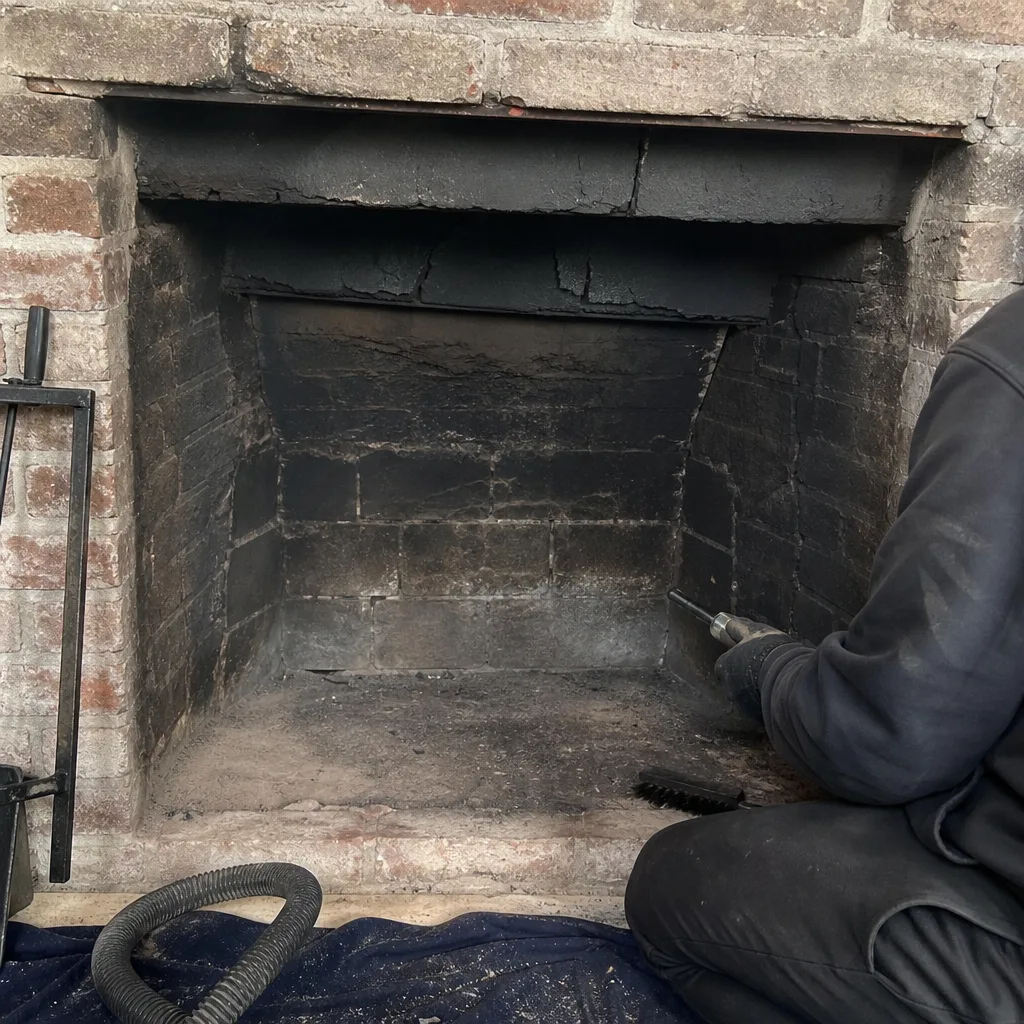
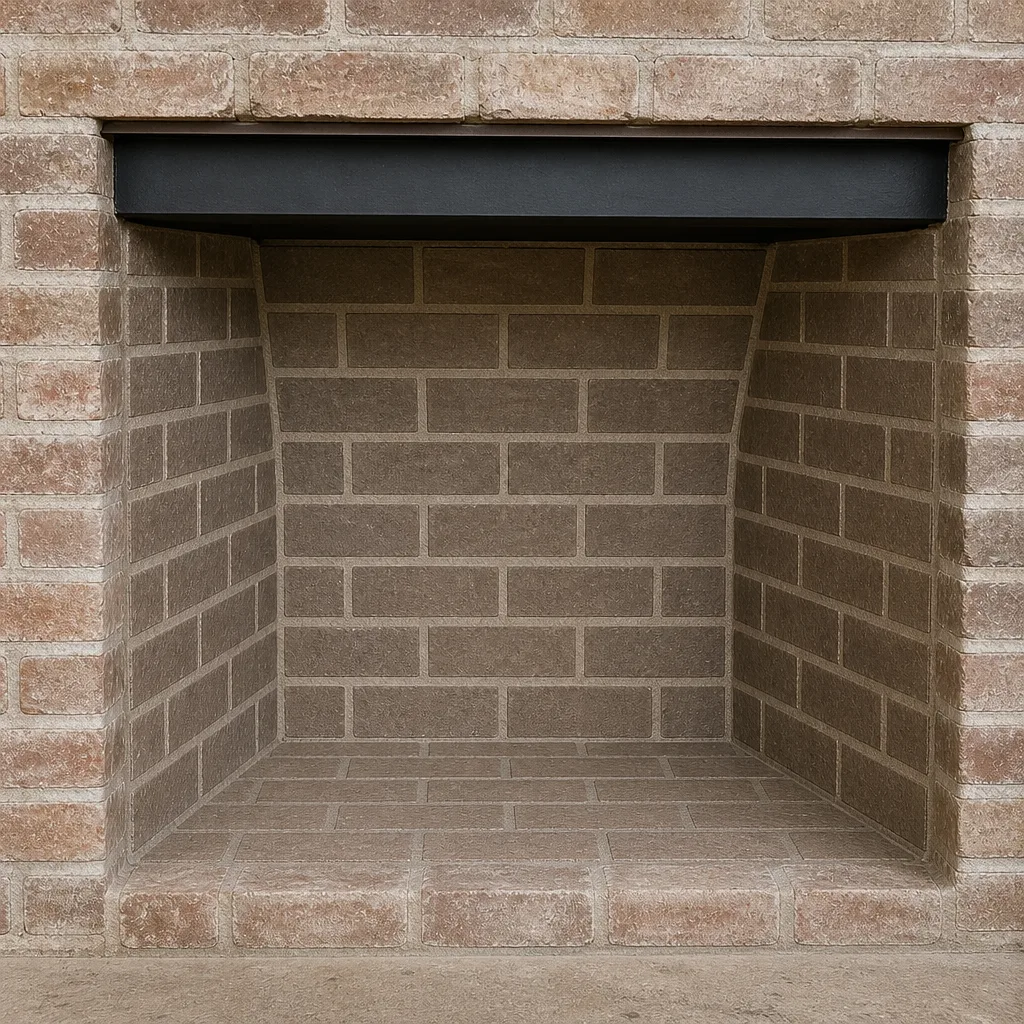
See the difference
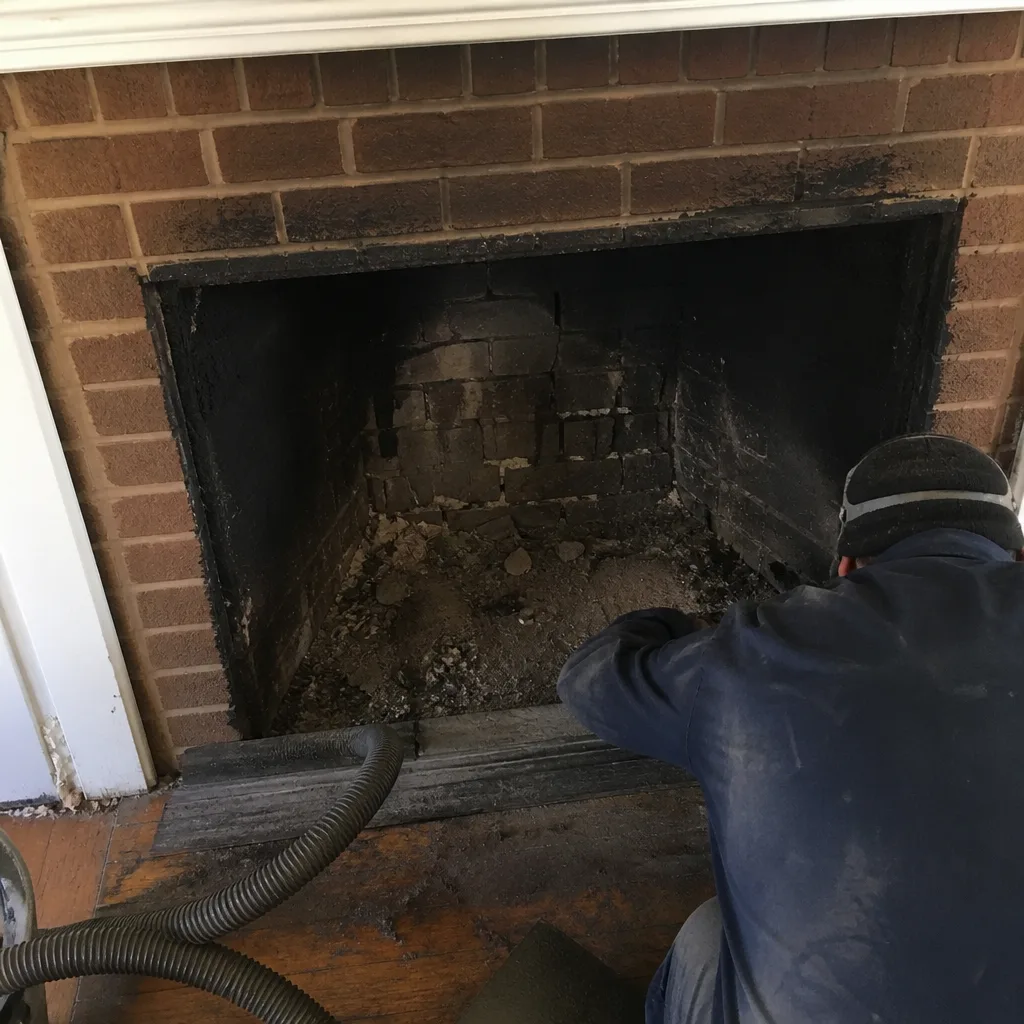 Before
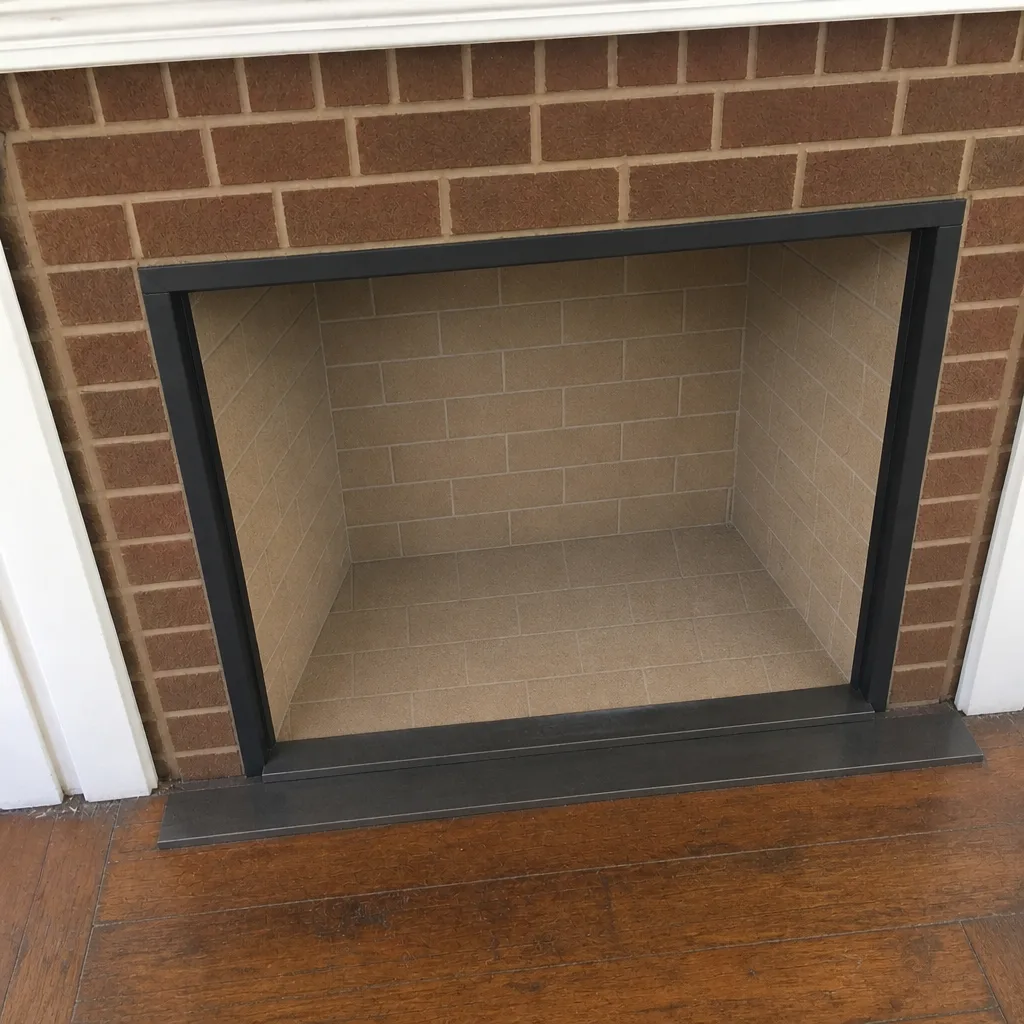 After
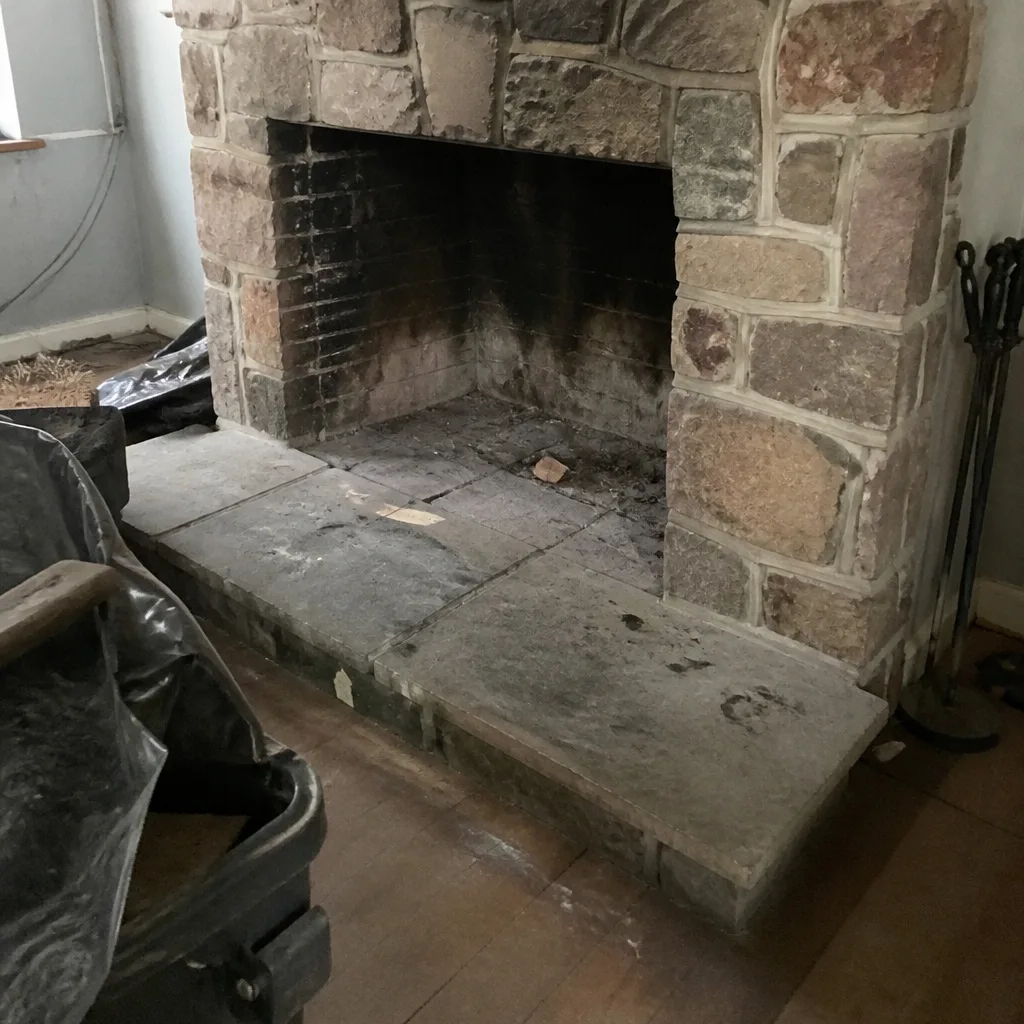 Before
 After
 Before
 After
When to Call a Professional
Some chimney jobs are a scheduled annual visit. Others need a call. If you’re seeing smoke backdraft into the room, a persistent odor from the fireplace even when it’s not in use, visible damage to the crown or cap, or you’ve had a chimney fire no matter how small, book a visit. If a home inspection report flagged the chimney, that’s a call today, not next season. The same goes for a fireplace you’ve never had checked in a property you just moved into.
For gas fireplaces, the annual inspection matters even without wood smoke. Venting problems on a gas appliance carry carbon monoxide risk, and that’s not a symptom you can see.
Chimney Sweep Mott Haven offers free estimates in Mott Haven. Call (855) 726-7555. We answer 24/7. Fast dispatch from 7am to 7pm, Sunday through Friday, closed Saturday. The estimate is free and the price is set per job by the written estimate.
Frequently Asked Questions
Chimney cleaning in Mott Haven is priced per job by a written estimate. There’s no single rate because the visit depends on the system, the creosote stage, and whether a Level 2 inspection is needed. The estimate is free, and the written estimate sets the final price. Call (855) 726-7555 for an exact quote.
Once a year for a wood-burning fireplace that’s used regularly, with more frequent visits if you burn heavily or use unseasoned wood. Gas fireplaces need an annual inspection even without creosote. In Mott Haven’s older rowhouses, staying on the yearly schedule matters because shorter flue runs concentrate deposits. Call (855) 726-7555 to book ahead of burning season.
Not always, and that’s the point of the inspection. A deteriorated but still viable liner can sometimes be resurfaced with HeatShield ceramic rather than fully replaced. The call comes from camera evidence, and you should be able to see that evidence for yourself before anyone recommends liner work. Call (855) 726-7555 and ask for a camera inspection with a photo report.
Creosote builds up, and at Stage 2 or Stage 3 it’s flammable. A chimney fire can start in a system that looks fine from the room. Skipping also lets small problems (a cracked crown, a missing cap, a cracked liner) grow into structural repair. Getting an annual visit is the cheapest way to stay ahead of both. Call (855) 726-7555 for a free estimate.
Mott Haven’s pre-war and mid-century rowhouse construction often means shorter flue runs and chimneys built into shared walls. Both concentrate creosote deposits and make the smoke chamber more important to inspect. It’s not that the chimneys are worse, it’s that the configuration needs a closer look per visit. Call (855) 726-7555 and we’ll walk you through what your system needs.
A Level 1 is a routine cleaning with a visual check of accessible components. A Level 2 adds a camera inspection of the flue and a full-condition report, and it’s the right call after a home inspection flag, a chimney fire, or a move into an unfamiliar property. In Mott Haven, the Level 2 is the more common situation for rowhouses with unknown chimney history. Call (855) 726-7555 to book the right level for your situation.
The Bottom Line
A chimney cleaning in Mott Haven is a system check, not a flue brushing. It covers the firebox, damper, smoke chamber, flue liner, and crown and cap, and it’s paired with an inspection that documents what was found. The creosote stage matters because it determines the cleaning method and the fire risk. The smoke chamber matters because it’s the zone most commonly skipped. Mott Haven’s rowhouse construction makes both of those points more important, not less. Get the camera report, get the photo evidence, and get the recommendation only after the inspection. Chimney Sweep Mott Haven handles the full system from sweep through repair in one call. Call (855) 726-7555 for a free estimate.
Written by the team at Chimney Sweep Mott Haven.