
Last updated November 25, 2026
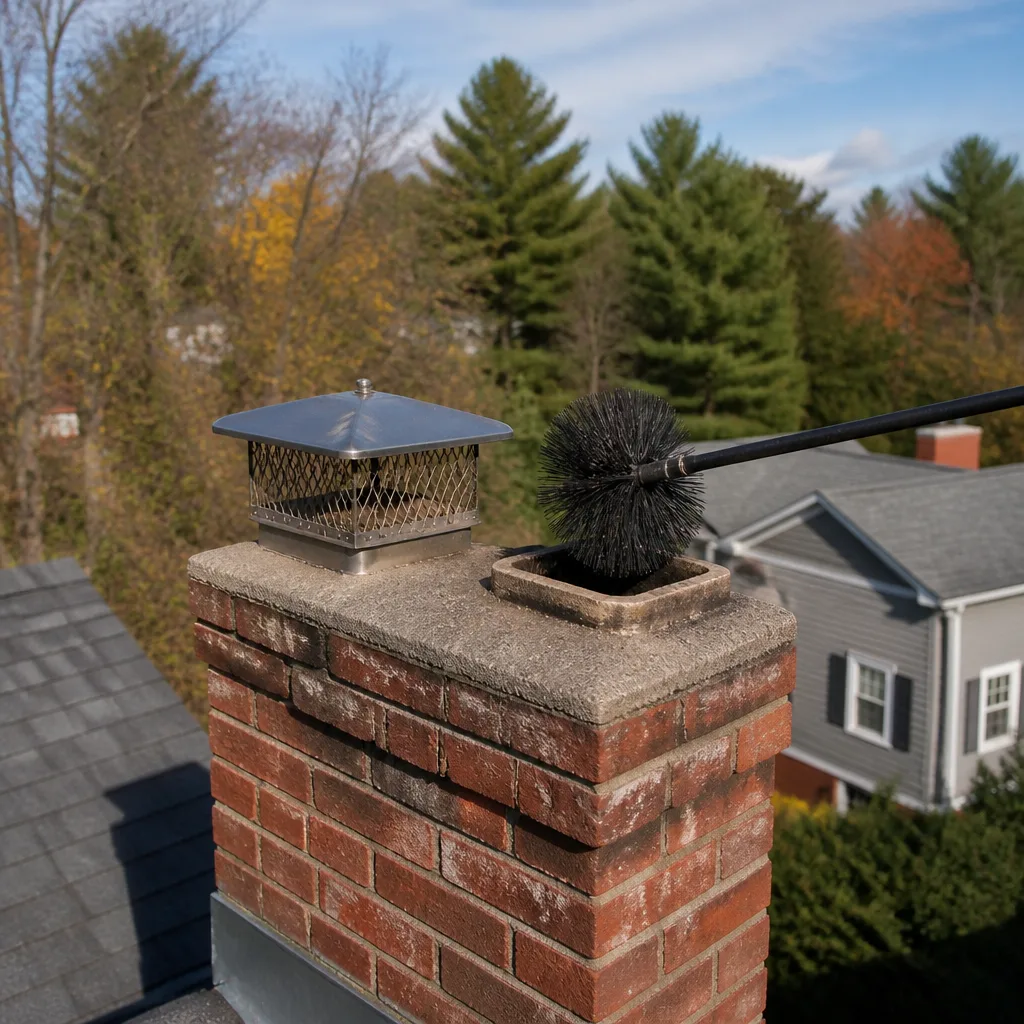 Sweep & inspection
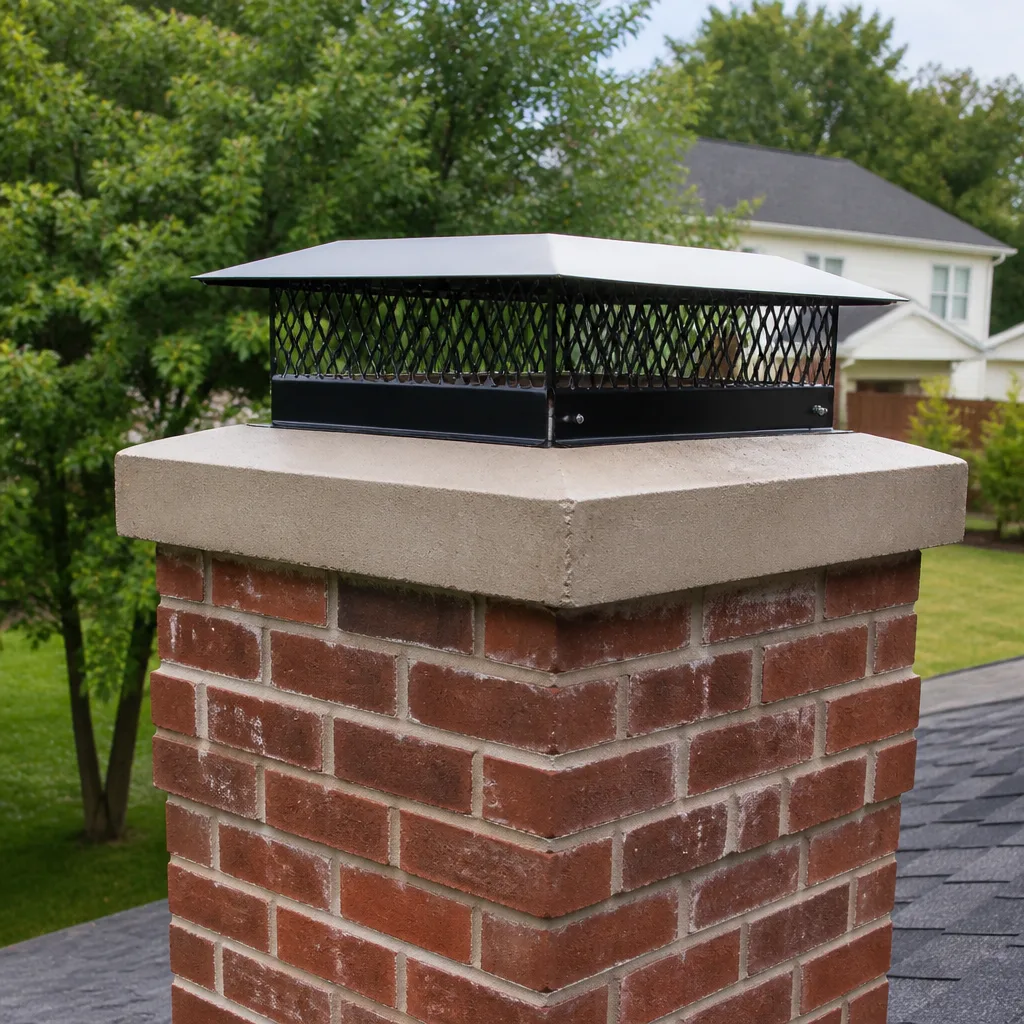 Caps & crowns
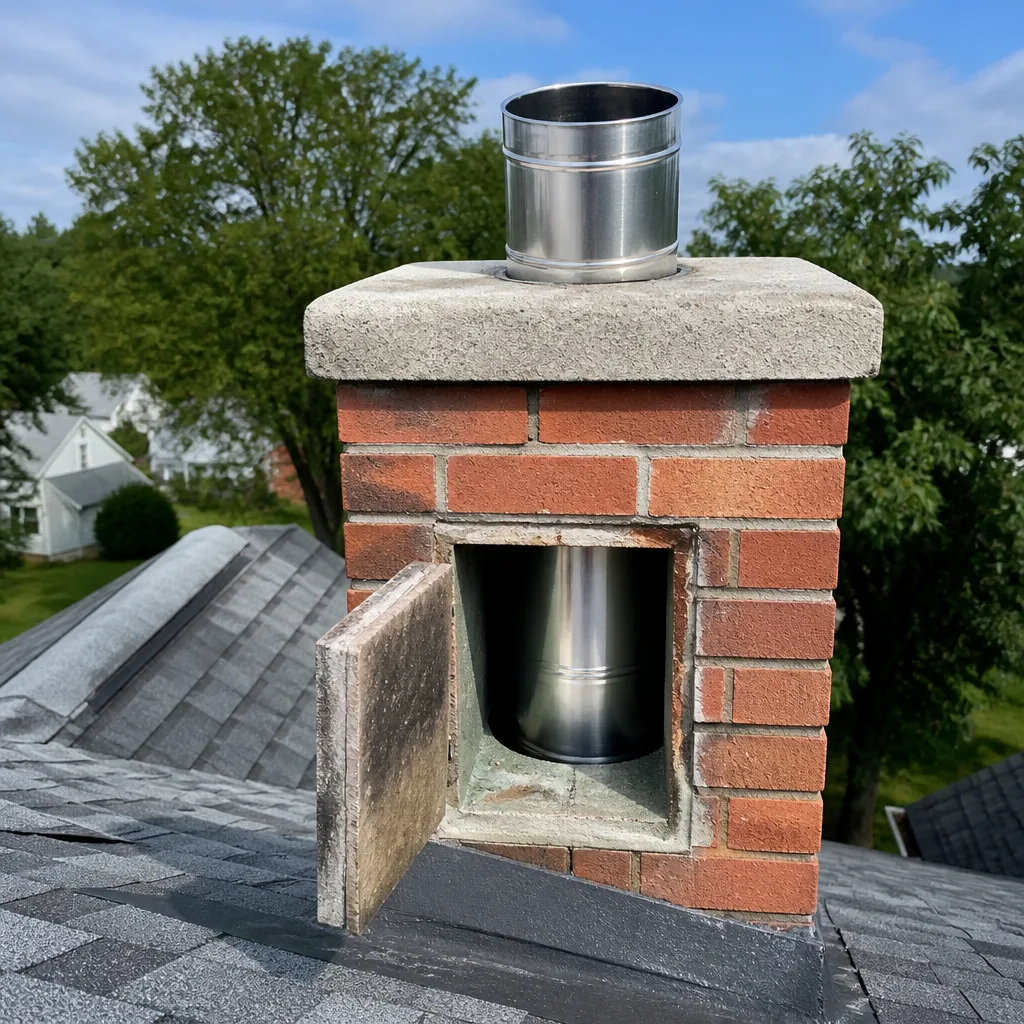 Flue relining
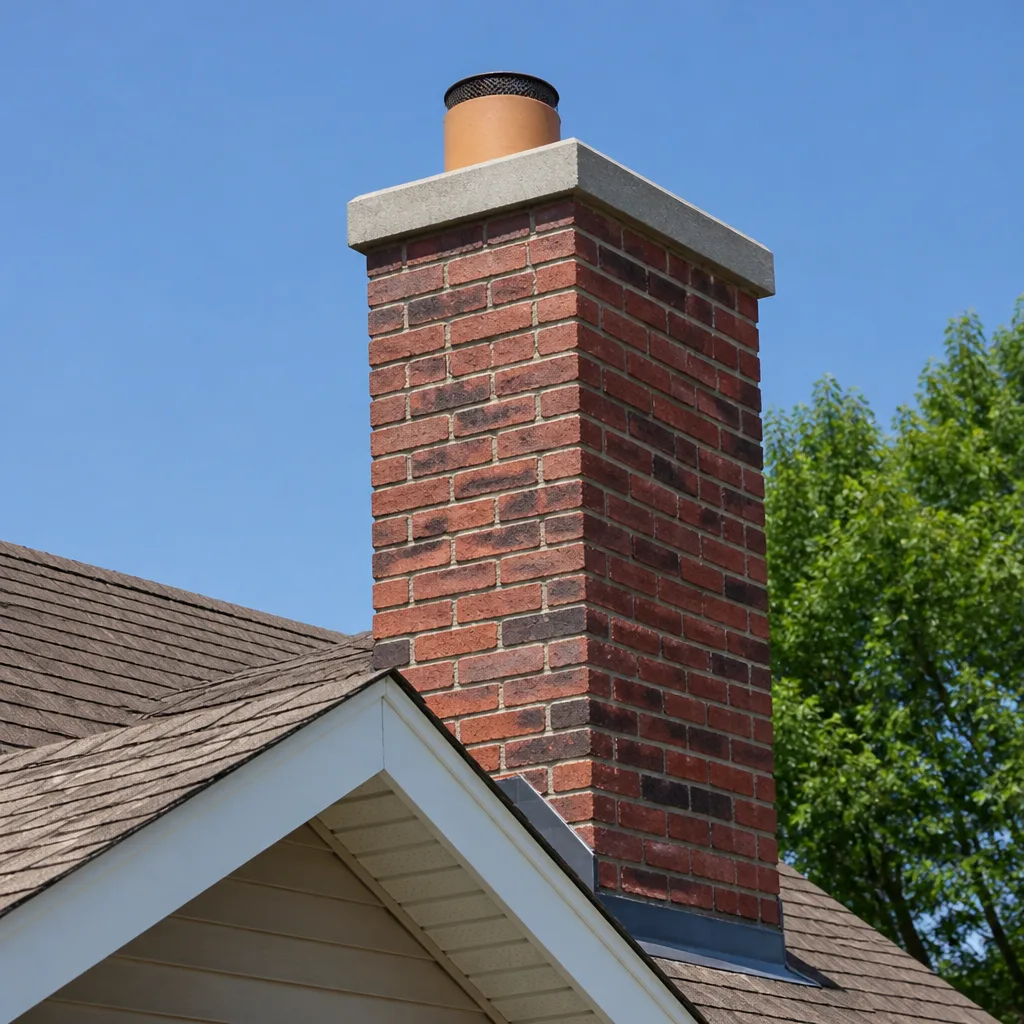 Masonry repair
 Gas fireplace service
Level 1 sweep and inspection to the NFPA 211 annual standard - flue, crown, cap, and flashing checked and photographed
Chimney sweep logs do not sweep chimneys. They loosen some creosote - which then falls where a brush and vacuum still have to collect it.
DIY vs Professional Chimney Cleaning: The Mott Haven Homeowner’s Decision Guide
A brush on a rod will pull soot out of a flue, and plenty of homeowners run one every fall. That’s the part the DIY conversation always focuses on. The problem is that brushing is the only thing a homeowner can do, and it’s the least diagnostic step in the whole process. A flue brush doesn’t show you a cracked liner tile, a failed mortar joint behind the smoke shelf, or creosote glazed onto a flue wall where the brush just polishes it. In Mott Haven, where rowhouse chimneys share walls and sit behind tight masonry, those hidden conditions matter more than clean-looking firebox walls. This guide explains what a rotary cleaning system actually reaches, where DIY becomes genuinely risky, and how to maintain your chimney between professional visits without pretending you’ve had an inspection.
Quick Answer
DIY chimney cleaning is an acceptable supplement for a chimney in known-good condition, but it is not a substitute for professional cleaning and inspection. A homeowner with a brush and rods can remove loose soot from a straight flue, yet cannot see inside the flue, cannot safely reach the smoke chamber and smoke shelf, and cannot verify that the liner is intact. For a Mott Haven rowhouse chimney, where access is awkward and the flue is often shared with original 19th-century masonry, professional cleaning plus an annual inspection is the safer baseline.
Styles & brands we work with
- Sweep & inspection
- Caps & crowns
- Flue relining
- Masonry repair
- Gas fireplace service
Table of Contents
- What a rotary cleaning brush system can and cannot do
- When DIY is a reasonable supplement and when it isn’t
- Why Mott Haven rowhouse chimneys are harder to DIY than a standalone flue
- What equipment matches a professional’s scope, and whether it pays off
- How to maintain your chimney between professional visits
- Why inspection comes before any recommendation
- What actually happens if you skip the work
- DIY vs professional: a side-by-side comparison
What a rotary cleaning brush system can and cannot do
A rotary cleaning system, whether hand-cranked or drill-driven, is designed to scrub the flue walls. It’s effective against loose soot and light, flaky creosote. It is not designed to inspect anything, and it doesn’t touch the components of your chimney system that cause the most dangerous problems.
Here’s a quick breakdown of what gets cleaned and what gets missed by brush-only work:
- Reached: vertical flue walls down to the smoke chamber opening.
- Partially reached: the damper area, which catches soot and debris above and around the damper plate.
- Not reached: the smoke chamber, where combustion gases slow down and deposit creosote in a rough, angled cavity.
- Not reached: the smoke shelf, the flat ledge behind the damper that catches debris, soot, and sometimes birds’ nests.
- Not reached: the flue tile joints and the liner exterior, where cracks and gaps develop invisibly.
- Not reached: the cap, crown, and top of the flue, where moisture and animals enter.
For a Mott Haven homeowner, that missed smoke chamber area matters. Rowhouses here were built with masonry fireplaces that often have narrow smoke chambers with rough parging. Creosote accumulates there faster than in the flue, and a brush never reaches it. A professional cleaning uses a rotary head plus hand tools and vacuum containment to work the whole system. If you want the full scope of what a proper chimney sweep involves, that page lays it out step by step.
When DIY is a reasonable supplement and when it isn’t
DIY works as a supplement when your chimney is already in known-good condition and you’re maintaining it between professional visits. It’s not a substitute for the annual inspection baseline. The distinction matters: adding a mid-season brushing to a healthy system is fine, but replacing professional service with a brush every year is a different story.
Here’s how we separate the two:
DIY is acceptable as a supplement when:
- Your chimney has been professionally inspected recently and the flue, liner, smoke chamber, and cap were confirmed sound.
- You’re burning well-seasoned wood and seeing light, flaky creosote on a straight flue.
- Your chimney is a straight vertical run with no offsets or unusually tight clearances.
- You can safely access the roof or the cleanout without climbing on precarious masonry or steep pitches.
DIY should not replace professional cleaning when:
- The chimney has never been inspected, or it’s been more than a year since an inspection.
- You’ve noticed smoke backdraft, a persistent odor, or visible damage to the firebox or damper.
- The chimney has an offset, a smoke chamber with rough parging, or an older liner that may be cracked.
- Your rowhouse has a shared chimney or a party wall adjoining another unit.
- You’re burning unseasoned wood, or you’ve noticed glazed, shiny creosote. That’s the stage-3 type that requires professional removal.
The line between these two lists is not about what you’re capable of. It’s about whether your chimney has been verified by someone with a camera and a trained eye. Without that verification, you’re maintaining a system you can’t see.
Why Mott Haven rowhouse chimneys are harder to DIY than a standalone flue
Mott Haven’s housing stock is overwhelmingly attached rowhouse construction, and that changes the DIY equation in ways a homeowner in a suburban single-family house never encounters. The chimney on an attached rowhouse isn’t a freestanding stack you can walk around. It’s built into the masonry party wall, sometimes shared with a neighbor’s flue, and it was laid out when coal was the fuel. That history leaves specific complications.
What we look at on a Mott Haven rowhouse chimney:
- Access: Roof access on a row of attached buildings often means going up through a hatch or across a parapet, and the pitch and edge protection are not what a homeowner should be improvising on.
- Shared flues: Some original Mott Haven rowhouses had flues serving multiple hearths in a single masonry mass. A brush run from one firebox may not clean the shared path the way it looks like it does.
- Old parging and coal-era flue liners: Many of these flues were relined or parged decades ago with materials that have since spalled or cracked. A brush can catch on a spalled tile edge and pull a piece of masonry down the flue.
- No cleanout on some layouts: Older Mott Haven rowhouse fireplaces sometimes lack a proper exterior cleanout door, and soot has to be pulled through the firebox with a vacuum. That’s a contained professional setup, not a homeowner with a shop vac.
- Code considerations: Any change to a flue liner, cap, or crown has to meet local requirements, and if you’re going to make a permanent alteration, verifying what a New York City chimney is expected to comply with is a licensed professional’s job.
The lesson here is not that Mott Haven homeowners are incapable. It’s that the local building stock introduces failure points a brush-only cleaning either misses or actively risks. If your chimney runs inside a shared masonry wall, the margin for error is smaller than it would be on a freestanding stack.
What equipment matches a professional’s scope, and whether it pays off
To match the scope of a professional cleaning on your own, you’d need more than a brush on a rod. Here’s what actually gets used on a Mott Haven chimney and what it costs a homeowner to assemble it:
- Rotary flue brush set with multiple head sizes: You need the correct diameter for your flue so it scrubs the wall rather than skating past it. One or two sizes gets expensive fast if your flue diameter doesn’t match.
- Rods (at least 30 feet, usually fiberglass): Steel rods scratch; fiberglass rods are what professionals use. A full set that reaches the average Mott Haven rowhouse flue is a real investment.
- HEPA-rated chimney vacuum with containment fittings: A shop vac spreads fine soot through the house. A proper chimney vacuum plus a sealed cleaning bag keeps the parlor from turning into a soot chamber.
- Hand tools for the smoke chamber and smoke shelf: Those areas don’t get cleaned by a brush. They need a scraper, wire brush, and mirror to see what you’re doing.
- Inspection camera: This is the part that changes the math. A flue camera is what tells you whether the liner is actually intact. Without one, you’re cleaning blind.
- Roof access equipment and fall protection: For a Mott Haven rowhouse, this is where a homeowner setup becomes genuinely hazardous. Ladder stabilizers, roof anchors, and proper footing are not optional on a parapet.
Add up the brush, rods, vacuum, hand tools, and camera, and you’re looking at an outlay well above a single annual professional cleaning. If you hire a professional once a year, the equipment cost pays for itself in roughly a handful of years of full-scope service. And that’s before you count the hazard of roof access on a Mott Haven rowhouse.
The honest answer: buying equipment pays off if you plan to clean multiple chimneys in your own property repeatedly and you already own the roof-safety setup. For a single annual cleaning, the investment doesn’t pencil out.
How to maintain your chimney between professional visits
Between professional cleanings, there’s plenty a homeowner can safely do. The trick is knowing what stays in your lane and what doesn’t. Maintaining a clean system between visits is genuinely useful. Attempting to clean the parts of the system you can’t see is not.
The safe list, and the wait list:
- Do: Sweep the firebox floor and shovel out ash after the fire is fully cold.
- Do: Keep the firebox glass clean and inspect the gasket for wear you can see from inside the room.
- Do: Burn only well-seasoned wood, keep a moisture meter handy, and store firewood outside and away from the chimney.
- Do: Check your chimney cap visually from the ground after storms, and remove obvious leaves or bird nests around the cap that you can reach safely without climbing.
- Do: Watch for smoke rolling into the room when you start a fire. Backdraft to a Mott Haven chimney usually points to a flue or cap issue worth a call.
- Wait for a technician: Anything inside the flue, the smoke chamber, the smoke shelf, or behind the damper.
- Wait for a technician: The cap, crown, flue top, and any roofline access on a rowhouse.
- Wait for a technician: Any glazed or shiny creosote (stage-3), which needs professional removal, not more brushing.
- Wait for a technician: Any firebox or damper repair beyond routine cleaning.
The dividing line is simple: homeowners maintain the firebox and the fire fuel. Professionals maintain the system behind and above it. Our technicians have up to 14 years of experience working on the chimney side of that line in Mott Haven’s building stock.
Why inspection comes before any recommendation
Every legitimate cleaning conversation starts with inspection, and that’s the piece DIY cleaning never provides. A brush removes; it doesn’t reveal. Only a camera and trained eyes tell you what your flue actually looks like.
In our experience, the most common surprise on a Mott Haven chimney is not heavy creosote. It’s a small crack in a flue tile or a piece of spalled parging that has been letting combustion gases seep out of the flue and into the masonry cavity. That kind of defect doesn’t announce itself. It doesn’t smell unless it’s gotten bad. A flue brush passes over it without noticing. A camera doesn’t.
Inspection is what lets us tell a homeowner, honestly, whether their chimney is a “cleaning only” chimney or a “cleaning plus repair” chimney. It’s also the basis for documentation if an insurance claim ever comes up. For a Mott Haven rowhouse, that documentation matters, because the chimney may share a wall with a neighboring unit.
If a technician recommends repair after an inspection, you should be able to see the evidence. If we recommend a repair, it’s because there’s a photograph or camera view that shows it, and we walk a homeowner through what we’re seeing. If the work can safely wait a season, we say so. A chimney is a system, and the inspection is the diagnostic step that tells you the state of the whole system, not just the flue.
Once a defect is confirmed, the repair path is specific. A cracked liner may call for HeatShield ceramic resurfacing (a non-invasive alternative to a full reline that we’re set up to apply) or, if the liner is beyond resurfacing, a DuraFlex stainless reline. A chimney cap and crown that has failed from weather or wildlife needs replacement with a properly fitted cap. For the full scope of repair work, see our chimney repair page.
What actually happens if you skip the work
Creosote is the byproduct of incomplete combustion, and it deposits in the flue every time you burn. It comes in three grades. The first is light and flaky and brushes off easily. The second is hard and tar-like and needs mechanical cleaning. The third is glazed, shiny, and encrusted, and it’s the grade that fuels chimney fires.
Skipping professional cleaning doesn’t just mean your flue has more creosote. It means a system that could be quietly failing stays quietly failing. There are two risks, and they are both specific:
- A chimney fire: Glazed creosote ignites at a temperature a wood fire easily produces. The fire is often small enough that the homeowner only knows it happened from the sound or by the debris afterward. Over time, repeated small chimney fires crack the liner. That’s what makes chimney fires dangerous, not the fire itself but the damage left behind.
- Carbon monoxide exposure: A cracked flue tile or a failed liner can allow carbon monoxide to vent into the masonry cavity and into the home. CO is colorless and odorless. Without an inspection, there’s no way to know the flue is leaking.
We don’t say this to alarm anyone. Most Mott Haven chimneys we inspect are in reasonable shape and just need cleaning. But the ones that need more need it because the homeowner couldn’t see the problem. That’s the gap that professional inspection closes and DIY cleaning leaves open. If it’s been a while since your chimney was checked, our chimney sweep service starts with the inspection that tells you where you stand, and a cap and crown check is part of the look at the top. If the cap needs replacing, a properly fitted Gelco or Olympia Chimney cap handles the moisture and animal intrusion that starts most of the damage we see on a Mott Haven roofline.
DIY vs professional: a side-by-side comparison
Here’s the practical picture of what each approach covers, so you can make the decision with the whole scope in front of you:
| Task | DIY (homeowner) | Professional |
|---|---|---|
| Flue wall cleaning (straight run) | Yes, with the right brush and rods | Yes, with rotary head sized to flue |
| Smoke chamber cleaning | No | Yes, hand tools and containment vacuum |
| Smoke shelf debris removal | No | Yes |
| Damper-area cleaning | Limited | Yes |
| Flue camera inspection | No | Yes |
| Liner condition assessment | No | Yes |
| Cap and crown check | Visual from ground only | Yes, close inspection |
| Roof access risk | High on a rowhouse parapet | Handled with fall protection |
| Containment of soot (HEPA vacuum) | Rarely | Yes |
| Repair recommendation basis | None (no evidence) | Camera evidence, photograph report |
The table tells the honest story. DIY covers the top of the list and nothing below it. If your chimney is verified sound and you want to brush mid-winter, that’s a supplement. If you want to know whether your system is safe, only the professional column answers that question.
Common Mistakes to Avoid
- Sweeping without inspecting. A clean flue can still have a cracked liner. Brushing alone doesn’t verify the system. That’s the single biggest gap in homeowner cleaning.
- Using a shop vac instead of a HEPA chimney vacuum. A standard shop vac spreads fine soot into the living space, then it settles into the room. In a Mott Haven rowhouse, that means the smell lingers for weeks.
- Running a brush on a spalled flue. A brush can catch on a failed parging edge and pull masonry down the flue, sometimes lodging it above the damper. It’s the exact opposite of cleaning.
- Skip-rope the roof because of the parapet. Mott Haven rowhouse roofs are not a homeowner ladder job. Falling is a more common serious injury than chimney fire in this trade.
- Ignoring glazed creosote. If the creosote is shiny and hard, more brushing doesn’t remove it. Stage-3 creosote needs mechanical professional removal.
- Burning unseasoned wood to try to save money. It deposits more creosote per cord and creates the exact conditions DIY cleaning can’t address.
- Believing that “I brush it every year” equals “I’ve maintained it.” Maintaining the firebox and brushing the flue is not the same as maintaining the system. The system includes the liner, the smoke chamber, and the cap and crown.
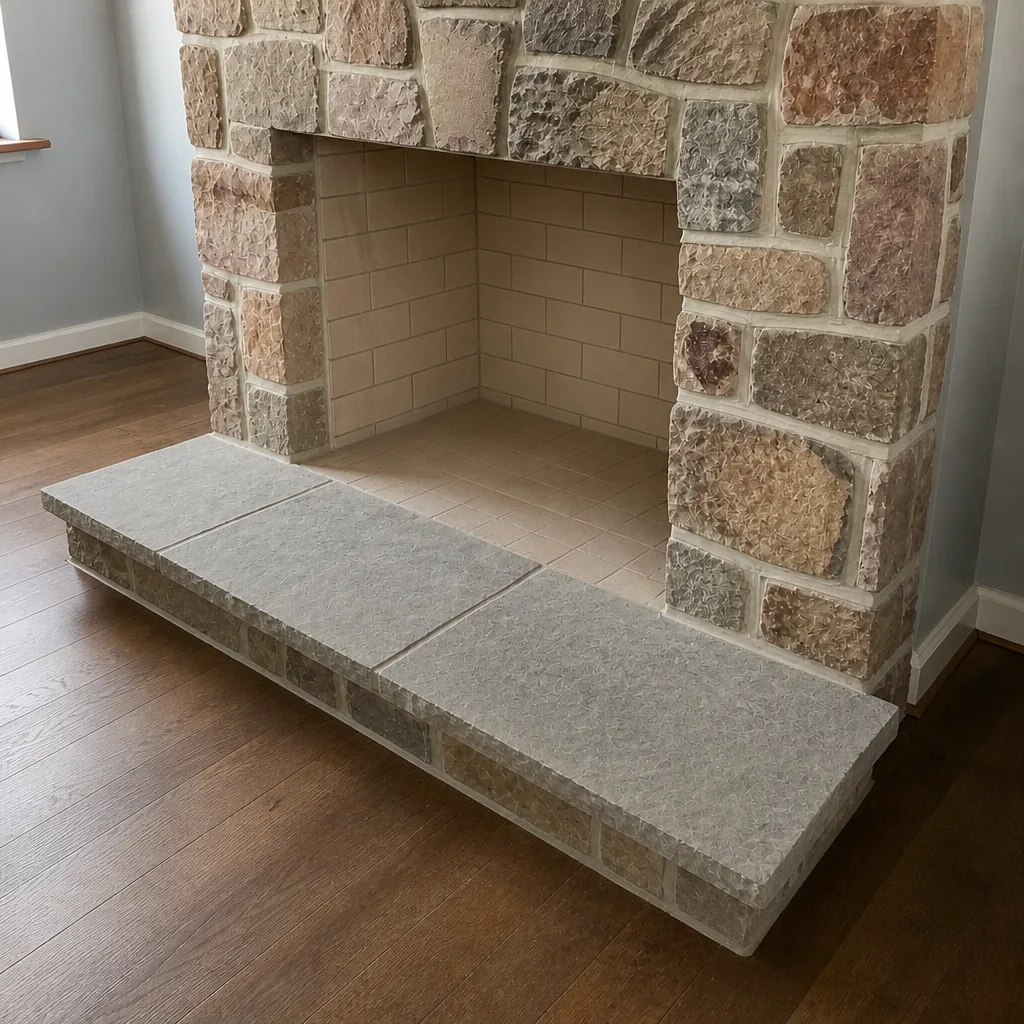
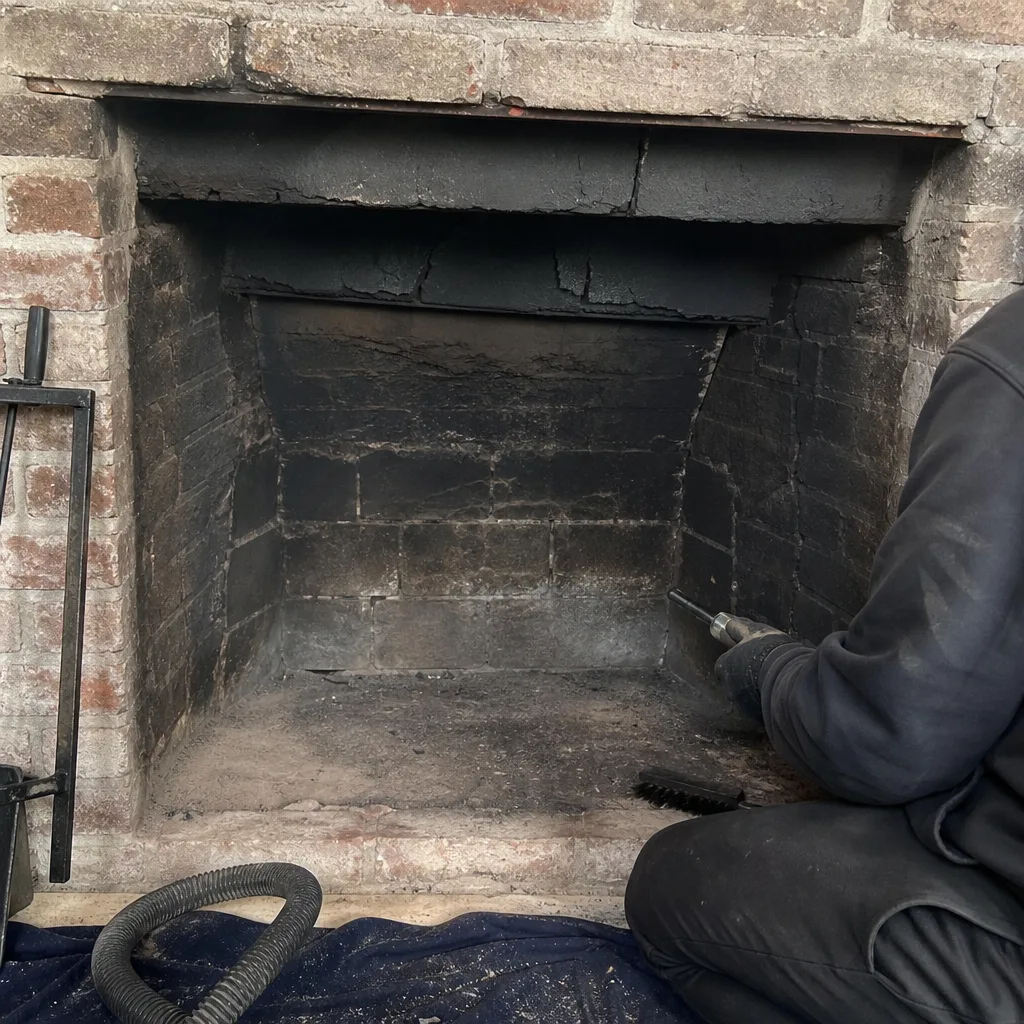
See the difference
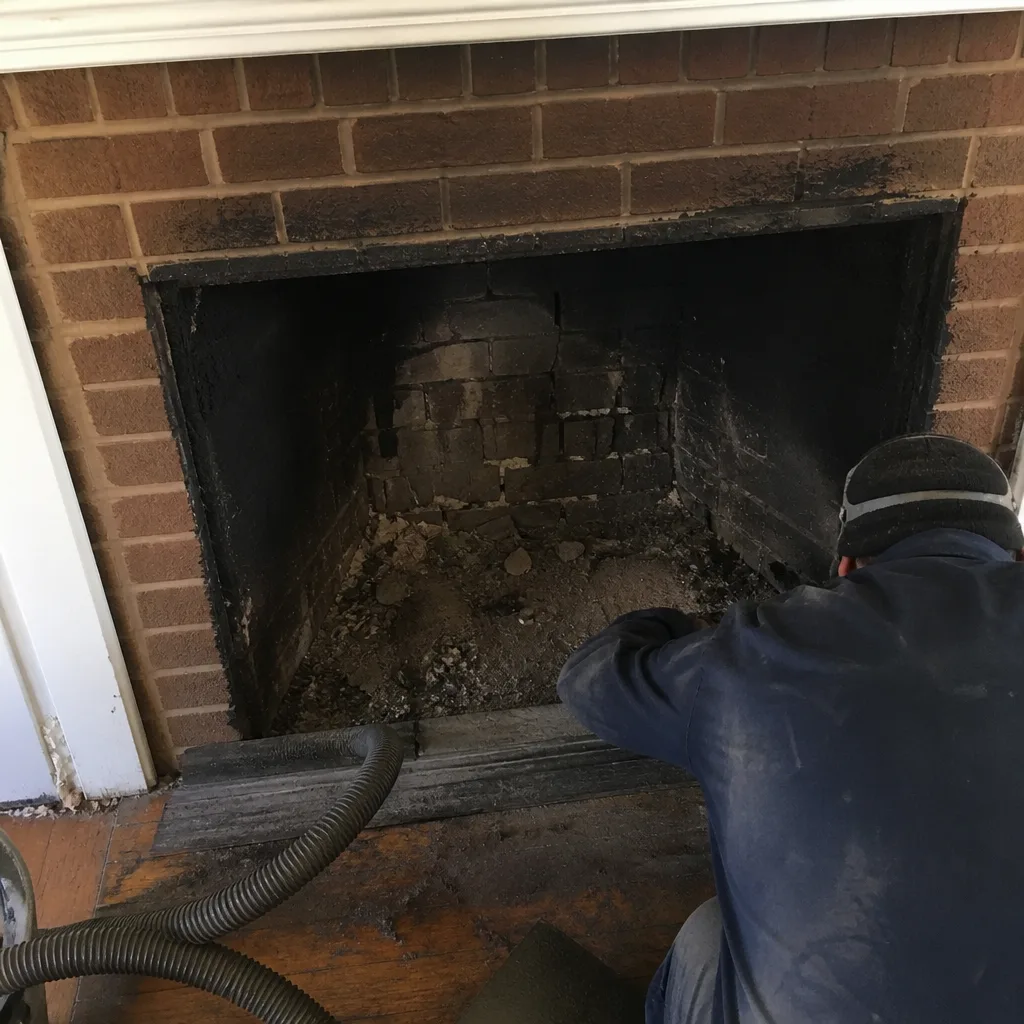 Before
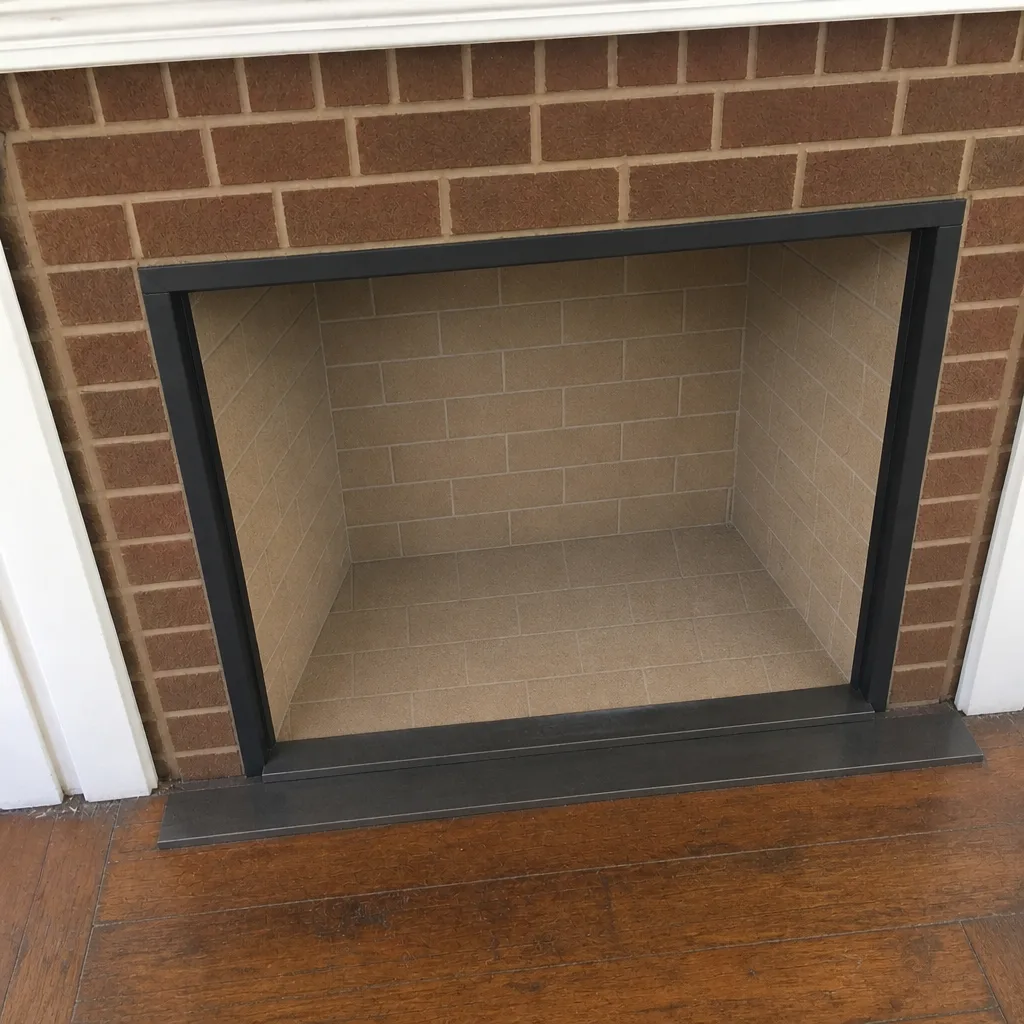 After
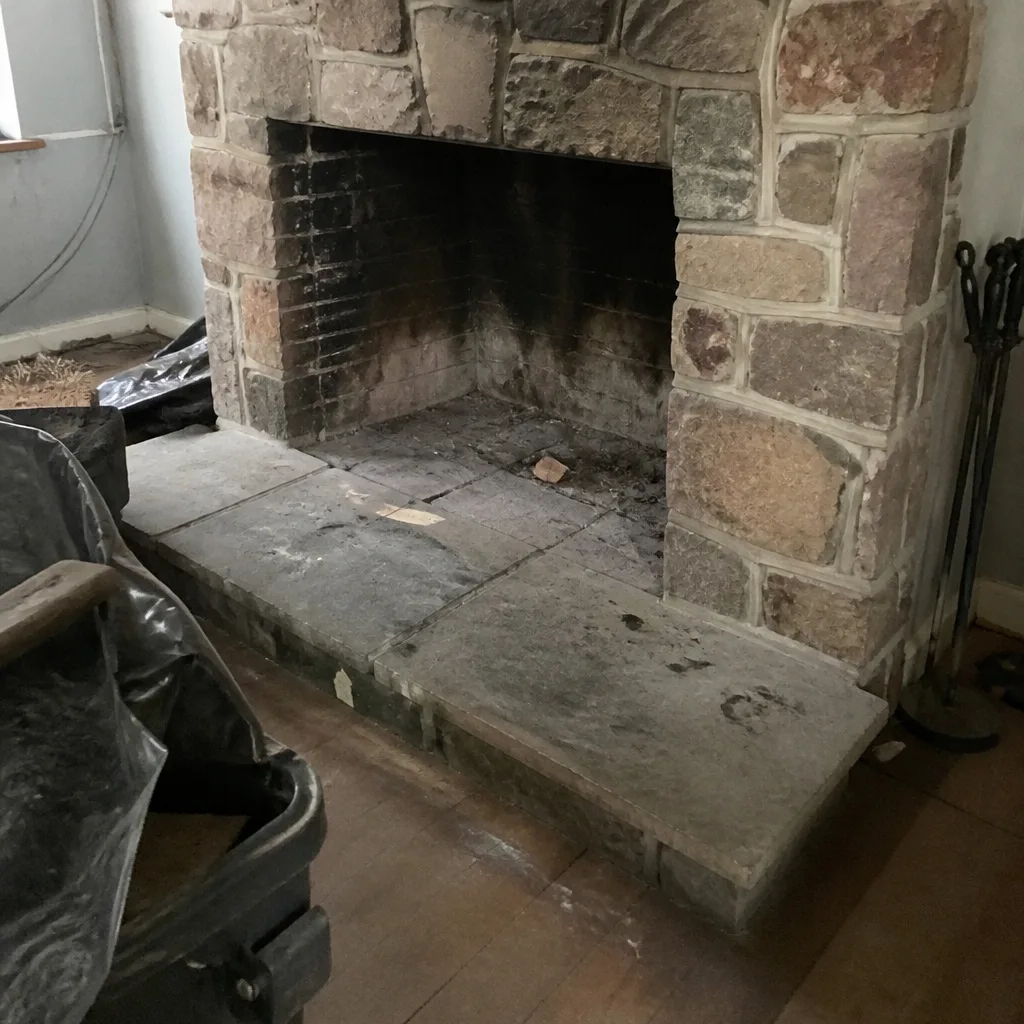 Before
 After
 Before
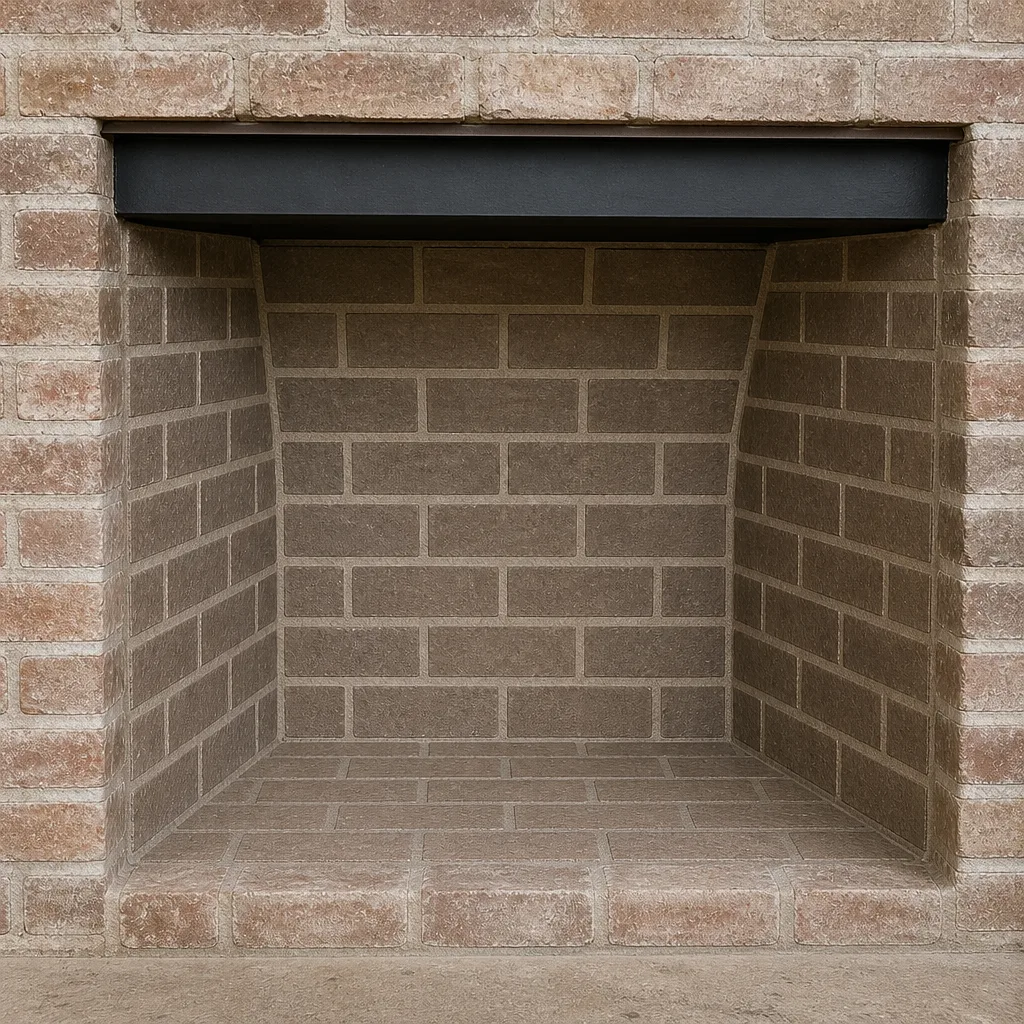 After
When to Call a Professional
Call a professional when your chimney has not been inspected in more than a year, when you notice smoke backdraft, when you smell a persistent chimney odor, when you see damage to the firebox, damper, cap, or crown, or when you’re in a Mott Haven rowhouse and cannot safely reach the roof. Also call when you’ve noticed glazed, shiny creosote, or when you’re buying a home and need inspection documentation. And call if you’re a homeowner who has been doing DIY cleaning and you genuinely don’t know if your liner has ever been looked at. Chimney Sweep Mott Haven offers free estimates in Mott Haven. Call (855) 726-7555. We answer 24/7. Fast dispatch from 7am to 7pm, Sunday through Friday.
If you’re not sure whether your chimney needs repair or just a cleaning, that’s the right reason to have it looked at. The visit starts with a camera inspection and a photo report of what we find, so you can see the system for yourself. If the chimney is sound, we say so, and you get a clean flue and a documented baseline for next year. If it’s not, you see the evidence before any repair is discussed. Our chimney cap & crown and liner work use professional-grade materials from brands like HeatShield, Gelco, Olympia Chimney, and Famco, and the same team that inspects also cleans and repairs, so there’s no handoff to another contractor for follow-up work.
Frequently Asked Questions
DIY cleaning is reasonably safe for the firebox and the straight flue run on a chimney that has been professionally inspected and verified sound. It is not safe as a replacement for that inspection, and roof access on a Mott Haven rowhouse parapet is genuinely hazardous for a homeowner.
A rotary brush cleans the flue walls but does not reach the smoke chamber, the smoke shelf, the damper components, the flue-top cap and crown, or the condition of the liner itself. Those are the parts of the system where most serious problems develop.
Yes, on balance. A self-brushing removes loose creosote but gives you no visibility into the liner, smoke chamber, or cap. An annual professional cleaning includes the inspection that verifies whether your chimney is safe to burn in. Without it, you’re maintaining a system you can’t see into.
Pricing is set per job by a written estimate, and the estimate is free. The scope of the visit (cleaning, inspection, plus any repair findings) determines the number, and you get the number before any work is booked. Call (855) 726-7555 for an exact quote.
You would need a rotary brush set sized to your flue, at least 30 feet of fiberglass rods, a HEPA-rated chimney vacuum with containment, hand tools for the smoke chamber and smoke shelf, a flue camera, and roof access with fall protection. For a single annual cleaning, that outlay does not pencil out economically.
You can sweep the firebox floor, clear ash, keep the glass and gasket clean, burn only well-seasoned wood, and check the cap visually from the ground after a storm. Anything inside the flue, smoke chamber, or at the roofline waits for a technician.
The Bottom Line
The DIY chimney cleaning question isn’t really about whether you can run a brush. It’s about whether a brush-only cleaning actually reduces fire risk. It does not, on its own. Brushing removes soot; it does not verify the liner, reach the smoke chamber, or check the cap and crown. In Mott Haven’s rowhouse stock, those are exactly the places where problems hide. DIY is a reasonable supplement for a chimney that’s been professionally inspected and verified sound. For the annual baseline, professional cleaning plus inspection is the safer approach, and it’s the only one that gives you evidence. Call (855) 726-7555 for a free estimate. We answer 24/7. Fast dispatch from 7am to 7pm, Sunday through Friday. Closed Saturday. Same-day availability for urgent calls.
Written by the team at Chimney Sweep Mott Haven.