
Last updated November 25, 2026
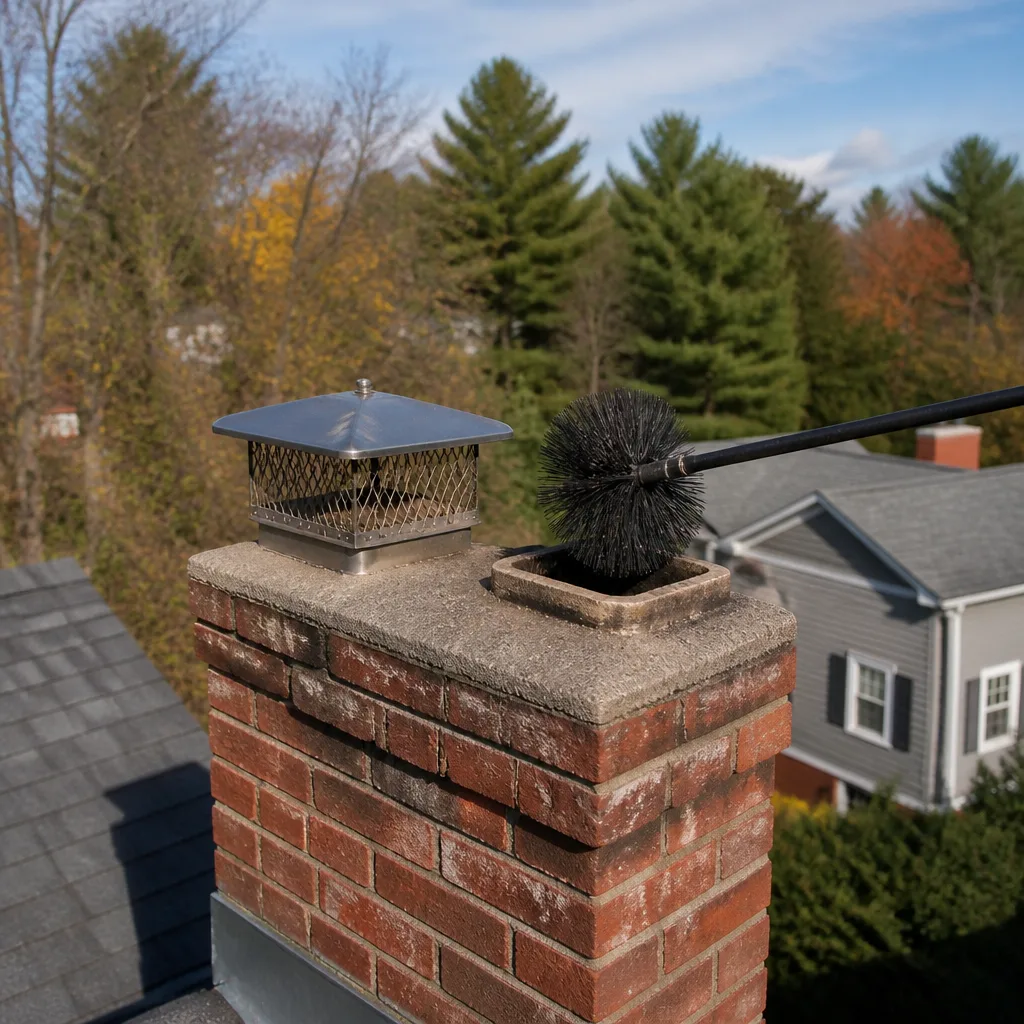 Sweep & inspection
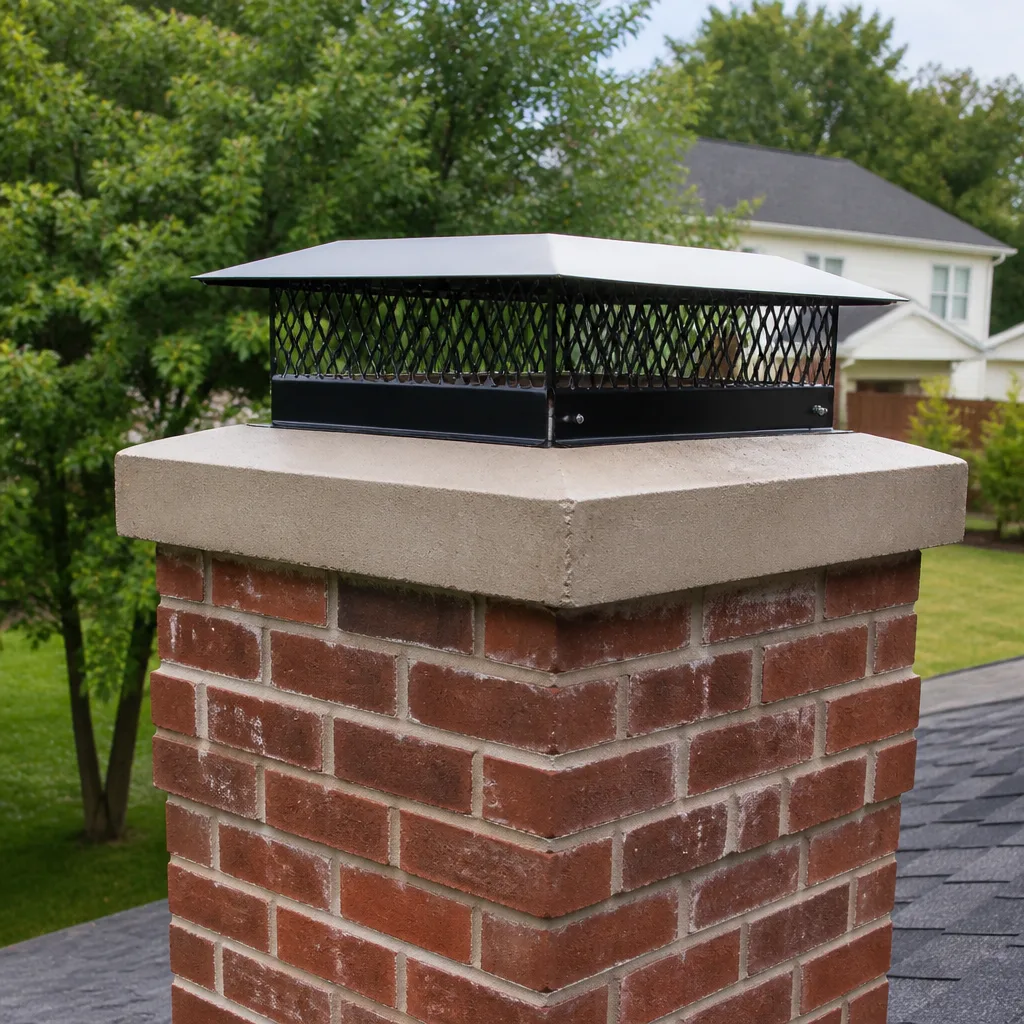 Caps & crowns
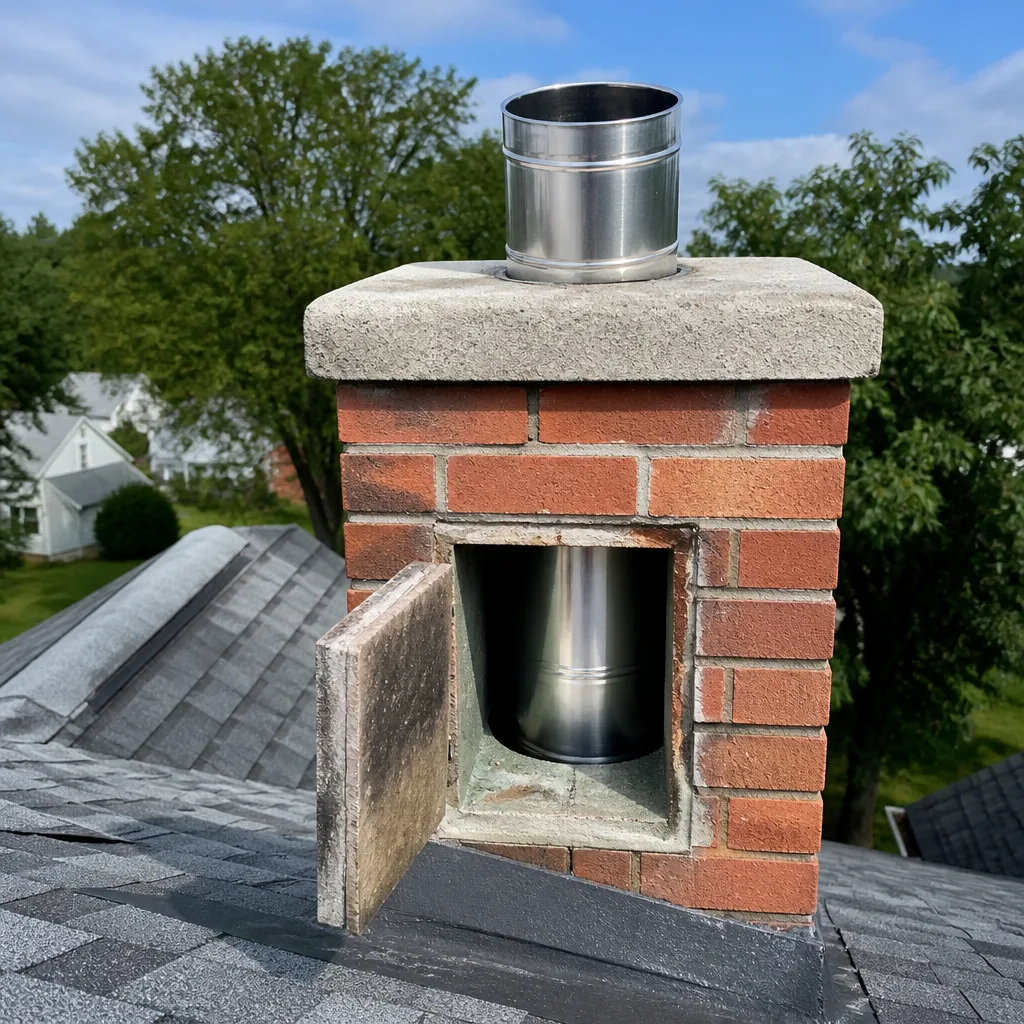 Flue relining
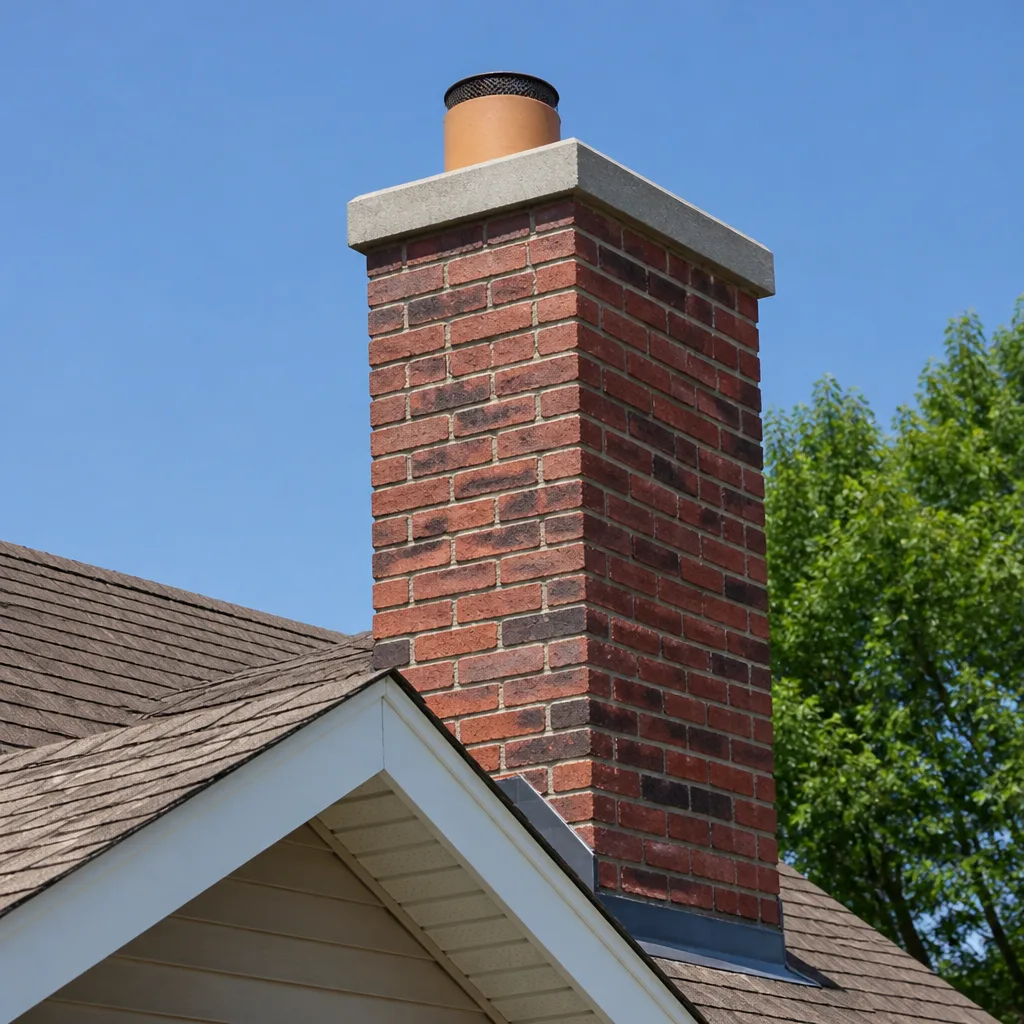 Masonry repair
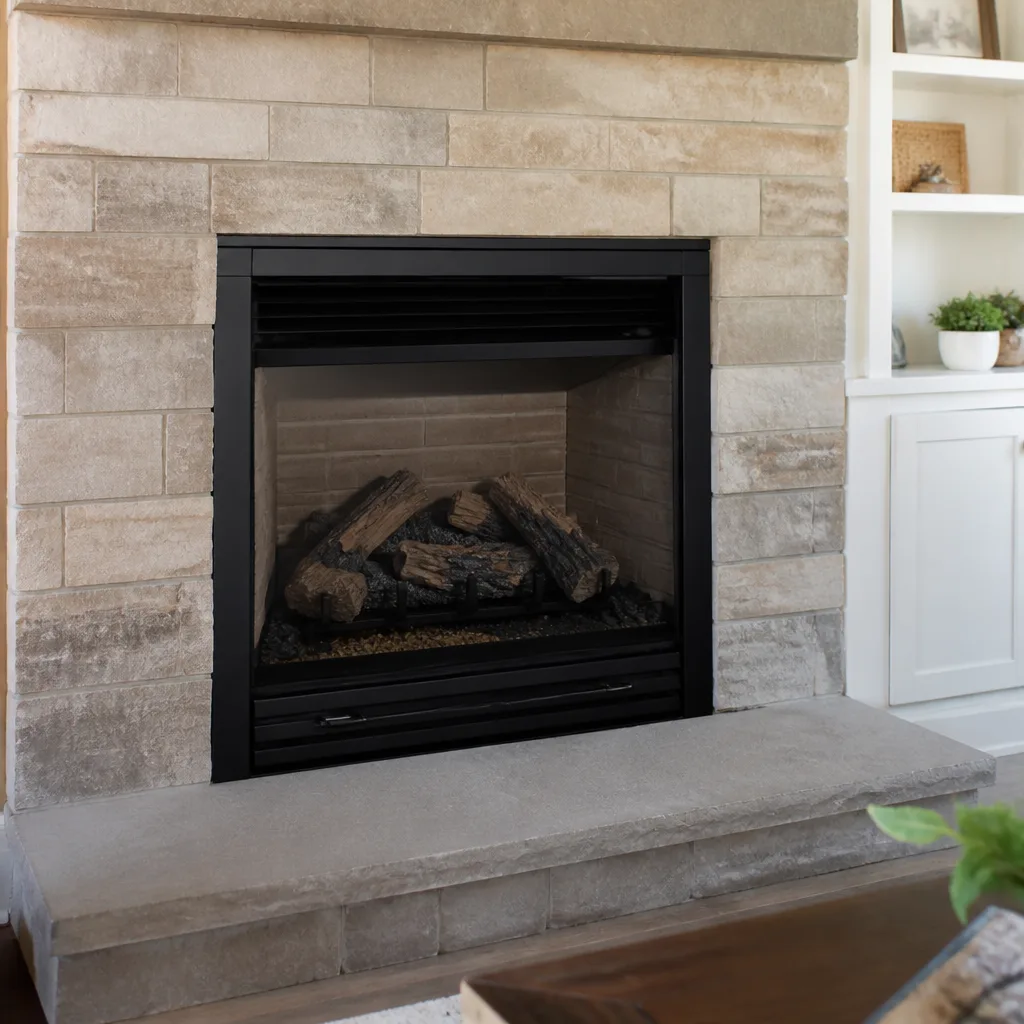 Gas fireplace service
Level 1 sweep and inspection to the NFPA 211 annual standard - flue, crown, cap, and flashing checked and photographed
Chimney sweep logs do not sweep chimneys. They loosen some creosote - which then falls where a brush and vacuum still have to collect it.
Seasonal Chimney Cleaning Care for Mott Haven: Year-Round Homeowner’s Guide
Most homeowners in Mott Haven think about the chimney in October, when the first cold snap hits and the fireplace suddenly matters again. That’s the wrong month. Late summer is when the problems from last winter surface, when cracks are still visible and small, and when a repair is still a repair rather than a rebuild. By the time fall arrives, every other homeowner in the neighborhood has had the same idea, and the calendar fills up. This guide maps specific chimney tasks to specific windows across the year, from the freeze-thaw months to the off-season, so you can plan work instead of reacting to it. Treat your chimney as a system used in phases, and the timing starts to make sense.
Styles & brands we work with
- Sweep & inspection
- Caps & crowns
- Flue relining
- Masonry repair
- Gas fireplace service
Quick Answer
Chimney care in Mott Haven follows a four-phase rhythm: inspect and clean in spring after the heating season ends, protect against moisture in summer, verify readiness in fall before first use, and monitor during winter operation. A post-winter inspection is as important as a pre-winter cleaning, because freeze-thaw cycles between December and March degrade brick and mortar in ways you can’t see from the ground. Plan service 6 to 8 weeks ahead in a dense urban area; waiting for the first cold snap means competing for appointments with everyone else.
Table of Contents
- Why Chimney Timing in Mott Haven Works Backwards From Habit
- Spring: What to Inspect and Address After the Heating Season
- Summer: Stopping Moisture Damage Before It Sets In
- Fall: What to Verify Before the First Fire
- Winter: Monitoring During Operation and the Freeze-Thaw Problem
- Gas Fireplaces and Heating Appliances: A Different Seasonal Rhythm
- Scheduling Service in a Dense Urban Area
- Common Mistakes to Avoid
- When to Call a Professional
- Frequently Asked Questions
- The Bottom Line
Why Chimney Timing in Mott Haven Works Backwards From Habit
The instinct is to prepare in fall. The better habit is to look in late summer and check again in spring. Here’s why the calendar matters so much in a place built tight and old: a chimney is a system of interdependent parts – flue, liner, crown, cap, flashing, masonry – and each part reacts to a different season. Heat stresses the liner and flue during use. Moisture attacks the masonry between uses. Freeze-thaw cycles in the colder months pry at every hairline crack in brick and mortar. When you only look once a year, you see the result of all three stresses at once, and by then the small problems have grown into expensive ones.
In a dense urban neighborhood like Mott Haven, this timing pressure is sharper than in the suburbs. Buildings sit close together, rooflines are steep and varied, and access to a chimney often means a ladder and a careful climb rather than a simple walk across a wide lot. A technician who has to set up access for a roof inspection is working within a schedule that fills quickly. The repair that costs a few hundred dollars in July can turn into masonry reconstruction by November if water has been getting in since spring.
What we’ve learned from inspecting chimneys across the neighborhood is that the visual evidence fades. Cracks in a crown look dramatic in summer and less obvious under a coat of fall soot. Efflorescence, that white staining on brick that signals moisture moving through the masonry, is clearest after a dry stretch. If you photograph and inspect during the warm months, you’re reading the chimney’s condition with the least interference.
Our technicians have up to 14 years of experience reading these seasonal signals, and the pattern is consistent: the homeowners who call in July and August get the smaller, cheaper repair, and the ones who call in October get the assessment that includes work that could have been avoided. That’s not a sales pitch, it’s a schedule reality.
Spring: What to Inspect and Address After the Heating Season
Spring, specifically the window after you stop burning for the season, is the right time for a post-winter inspection. Six months of use leaves creosote in a wood flue, moisture in the masonry, and heat stress in the liner. Everything the winter did to your chimney is visible now, before summer weather changes it. A chimney sweep and inspection in this window catches problems while they’re still small.
Here’s what a competent spring inspection covers, in order:
- Flue and liner condition. Look for cracked or spalled liner tiles, gaps at joints, and any sign that heat has compromised the liner surface. In a wood-burning system, creosote deposits get measured and cleared.
- Crown and cap. The crown is the concrete or masonry top surface that sheds water away from the flue. Any crack wider than a hairline is letting water in. The chimney cap & crown is also the first barrier against animals and rain, and a missing or damaged cap is the single most common moisture entry point we find.
- Masonry above the roofline. Look for spalling brick faces, crumbling mortar joints, and the white efflorescence staining that tells you water is moving through the wall.
- Flashing at the roof line. The metal that seals the chimney to the roof is where leaks start. Failed flashing shows as staining on the ceiling below or rust on the metal itself.
- Firebox and damper. Check for cracked firebrick and a damper that no longer seals. A damper that won’t close lets conditioned air escape all summer.
The reason post-winter inspection matters as much as pre-winter cleaning comes down to information. The pre-winter visit tells you the chimney is ready to use. The spring visit tells you what using it did. If you only inspect in fall, you’re always a season behind on moisture damage, because the water that entered in spring has had all summer to work on the mortar.
Summer: Stopping Moisture Damage Before It Sets In
Summer is the season for moisture protection, and it’s the season most homeowners skip because the fireplace is out of mind. But the warm, humid months are when water does the most patient damage to a brick chimney in Mott Haven. Masonry is porous. It absorbs water from rain and from humid air, holds it, and then releases it slowly. The slow release is what causes the white staining and, over years, the crumbling mortar that leads to structural repairs.
The moisture-defense work in summer breaks into three parts:
- Crown repair or resurfacing. A sound crown sheds water. A cracked crown funnels it straight into the flue wall. Resurfacing the crown in summer, before the freeze-thaw season, gives the material time to cure and seal.
- Cap installation or replacement. A properly fitted cap keeps rain, snow, birds, and squirrels out of the flue. Gelco caps and similar professional-grade components are built to last through the freeze-thaw cycle, unlike a hardware-store substitute that warps or rusts in a season or two.
- Flashing check and reseal. The joint between chimney and roof is a constant leak risk. Summer is when you can find and fix it without racing the weather.
There’s a repair technique worth knowing about in this season: non-invasive liner resurfacing with HeatShield ceramic material. If a clay liner has cracks or gaps but the chimney structure is otherwise sound, resurfacing can restore the liner’s integrity without a full reline. It’s a specialized service that standard sweep companies don’t offer, and it’s best done in the warm months so the ceramic cures properly. When a full reline is needed instead, a DuraFlex liner system is the professional-grade option, and installation work gets done by the same team that performed the inspection rather than through a subcontractor.
One caution on summer work: don’t cover the chimney opening in a way that traps moisture. Some homeowners seal the top with a plastic cover to “protect it,” and that traps humidity inside the flue, which is worse than leaving a functioning cap on. A proper cap ventilates and keeps water out at the same time.
Fall: What to Verify Before the First Fire
Fall is the readiness check, not the repair season. The goal in fall is to verify that the work done in spring and summer has held, and that the chimney is ready for the six months of use ahead. If you’ve kept to the seasonal rhythm, fall is short: a sweep if creosote has accumulated, a visual inspection of the accessible parts, and a check of the firebox and damper. If you skipped the spring and summer, fall becomes the compressed version of both, and that’s when scheduling gets difficult.
Here’s the fall checklist, in the order a technician works through it:
- Verify the cap is secure. Wind and summer storms move caps. A cap that’s loose or off needs to be refitted before the first burn.
- Confirm the crown is shedding water. Look for new cracks or staining since the summer work.
- Sweep the flue if needed. Creosote from last season gets cleared before the new season starts.
- Test the damper. It should open and close smoothly and seal when closed.
- Check the firebox. Cracked firebrick and a worn grate are common findings, and a chimney repair in fall is far cheaper than one in the deep of winter when the chimney is in daily use.
- Clear the immediate area. No stored boxes, no furniture pushed against the hearth, and a clear path for the draft.
The pre-winter visit is what most people think of as “chimney care,” and it matters. But the fall check is a verification step that only works if the earlier three phases happened. Do the spring inspection and the summer moisture work, and the fall visit is a formality. Skip them, and the fall visit turns into the discovery of problems you no longer have time to fix before the cold arrives.
Winter: Monitoring During Operation and the Freeze-Thaw Problem
Winter is monitoring season. You’re not scheduling major work; you’re watching for the signs that something is wrong and using the chimney the way it’s designed to be used. The main concern in Mott Haven winters is the freeze-thaw cycle that runs from December through March. Water enters a hairline crack in the masonry during a warm spell, freezes overnight, expands, and widens the crack. Then it thaws, more water enters, and the cycle repeats. A crack that starts as a hairline in December can open to a visible gap by March.
What freeze-thaw damage looks like before it becomes structural:
- Spalling brick faces. The outer face of a brick flakes off or pops away. This is the first visible sign that water is being absorbed and freezing inside the brick.
- Crumbling mortar joints. Mortar is softer than brick and fails first. Recessed or sandy joints mean the masonry is losing its bond.
- White efflorescence. The powdery white staining on brick is salt pushed out as water evaporates. It’s a moisture diagnostic, not a cosmetic issue.
- Loose or displaced cap and crown pieces. Freeze-thaw works on the top surface too. The crown is the most exposed part of the system and the most vulnerable.
During operation, watch for smoke that rolls back into the room instead of drafting up the flue. That’s a sign of a blockage, a closed damper, or a draft problem, and it needs attention before the next fire. Watch for a strong smoky odor in the room even when the fireplace isn’t burning – that points to a draft issue or a creosote problem. Watch for soot streaks on the mantel or above the firebox, and for any staining on the ceiling that suggests a leak. None of these are emergencies by themselves, but each one warrants a call.
Winter is also when you should not be doing major repairs. Once the heating season is underway, the chimney is in daily use and working around that use is harder. If the fall check surfaced a repair, getting it done before the first burn is far better than discovering it mid-season. Same-day repair is possible when it’s needed, with fast dispatch from 7am to 7pm, Sunday through Friday. We answer 24/7 to book it.
Gas Fireplaces and Heating Appliances: A Different Seasonal Rhythm
Gas fireplace and gas appliance owners often assume the seasonal guide doesn’t apply to them because there’s no creosote and no wood smoke. That’s wrong, and it’s a distinction most guides skip entirely. A gas system has its own seasonal considerations, and they’re different enough to warrant their own rhythm.
What changes for gas:
- No creosote, but still a flue. Gas combustion produces water vapor and mild acidic byproducts. Over time, the flue and venting components still need inspection for corrosion, blockage, and bird or animal nests. The Chimney Sweep Mott Haven inspection covers gas venting too, not just wood flues.
- Venting components matter more. Gas appliances rely on proper venting to exhaust combustion byproducts safely. Famco venting components and similar professional-grade parts are what the system needs; a corroded or improperly fitted vent is a carbon monoxide risk, and carbon monoxide is colorless and odorless.
- Carbon monoxide detection is the key seasonal check. Before the heating season starts, verify the CO detector is working. This is true for every home with a fuel-burning appliance, and it’s the single most important gas-system check on the seasonal calendar.
- The cap and crown still matter. Gas chimneys are just as vulnerable to moisture intrusion and animal nesting as wood chimneys. The seasonal moisture work stays on the summer schedule.
- Annual inspection still applies. A gas system used through the winter still needs an annual inspection and cleaning of the vent path. The interval doesn’t stretch because there’s no soot.
The reason this distinction matters in Mott Haven is the housing stock. The neighborhood has a mix of older wood-burning fireplaces converted to gas, original gas appliances, and heating systems that vent through the same chimney. A technician who only knows wood gives you half the picture. When you book an inspection, ask specifically whether gas venting is included.
A note on other fuel-burning systems: gas furnaces and boilers vent through their own flues, and the same seasonal logic applies. The annual inspection covers the vent path. Carbon monoxide risk is the reason, and a working detector is the baseline requirement.
Scheduling Service in a Dense Urban Area
The scheduling reality in Mott Haven is different from a suburban market. Booking 6 to 8 weeks out is realistic and normal. Booking the week before the first cold snap is not. Here’s why, and how to plan around it.
The demand curve is predictable. Late August through October is the busy window, when most homeowners call because the first cold front is in the forecast. April through June is the quiet window, when the homeowners who plan call. The work takes the same amount of time in either window, but the wait for an appointment is very different. A spring inspection booked in March gets scheduled in weeks. A pre-winter cleaning booked in October gets scheduled against everyone else’s last-minute call.
What to plan for, season by season:
- Book the spring inspection in late winter or early spring. Aim for the weeks after you stop burning for the season. This is the window with the most scheduling flexibility.
- Schedule summer moisture work off the spring findings. Crown repair, cap installation, and flashing work all want warm, dry weather so materials cure properly.
- Book the fall readiness check in late summer. Aim for August or early September. This is when the calendar starts filling.
- Plan for winter monitoring. Keep the phone number accessible, watch for the signs above, and call when something changes.
One more scheduling factor specific to the neighborhood: access. Many Mott Haven buildings have roof access through interior stairs, a scuttle, or an exterior fire escape, and the technician needs to set up safely before any roof-level work starts. That setup takes time, and it’s part of every quote. When you book, mention how the roof is accessed so the appointment is planned around it. It’s a small detail that saves a rescheduled visit.
Our technicians have up to 14 years of experience working in the neighborhood’s tight, tall buildings, and that experience is what makes a 6-to-8-week booking window practical rather than a source of stress. The plan gets made in weeks, not hours, and the work happens on the right season rather than in a scramble.
Common Mistakes to Avoid
- Treating chimney care as a once-a-year fall task. A single pre-winter cleaning tells you the chimney is ready to use, but it doesn’t tell you what the last six months did to the masonry. The spring inspection is where the real information lives.
- Skipping the summer moisture work because the fireplace is out of mind. The humid summer months are exactly when water does the damage that turns a small repair into a large one. Crown and cap work in summer is what prevents fall discovery.
- Waiting for the first cold snap to call. In a dense urban market, that call lands against every other homeowner who did the same thing. Book in spring or late summer; the calendar is far less crowded.
- Assuming a gas system needs no seasonal care. Gas produces water vapor and acidic byproducts, and the vent path still needs annual inspection. Carbon monoxide risk is the reason, and a working detector is the baseline check every fall.
- Hiring a generalist who sweeps on the side. The components of your chimney – liner, crown, cap, flashing, firebox – are interdependent, and reading them correctly takes a single-trade focus. A handyman with a brush doesn’t have the diagnostic training.
- Ignoring white staining on the brick. Efflorescence is the chimney’s own diagnostic: water is moving through the masonry. It’s a signal to investigate, not a cosmetic problem to paint over.
- Covering the chimney in a way that traps moisture. A proper cap ventilates as well as it protects. A plastic sheet over the top traps humidity inside the flue, which is worse than a sound cap that lets the flue breathe.
When to Call a Professional
Some tasks on the seasonal calendar are professional work from the start. High-tension springs, electrical panels or wiring, gas venting, or any work at the roofline on a steep or tall structure carries real risk, and the safe choice is a trained professional every time. Beyond safety, some conditions are diagnostic: repeated smoke rollback, a persistent smoky odor, soot streaks above the firebox, white efflorescence on the masonry, a cap that moves in wind, or any staining on a ceiling below the chimney. A home inspection report that flags the chimney is a clear call-to-action, even if the fireplace hasn’t shown any symptoms. A post-winter inspection after six months of use is the other reliable trigger: that’s when the season’s stresses show up.
Chimney Sweep Mott Haven offers free estimates in Mott Haven – call (855) 726-7555. We answer 24/7. Fast dispatch from 7am to 7pm, Sunday through Friday. The local pro is licensed and insured as the state requires, and the estimate comes in writing before any work starts.
Frequently Asked Questions
Once a year, as part of an annual inspection, and more often if you burn heavily or notice a buildup in the flue. The seasonal rhythm in this guide puts the sweep in spring after the heating season and a verification visit in fall. The annual inspection is the standard the industry follows, and it’s what most insurance documentation relies on. If you burn several cords of wood through the winter, plan on a mid-season check as well. Call (855) 726-7555 for a schedule that fits how you actually use the system.
Spring is when the winter’s effect is visible and the repair is still small. Six months of use leaves creosote, moisture, and heat stress in the system, and a spring inspection reads all three before summer weather changes them. The fall visit is a verification step; the spring visit is the diagnostic one. Inspecting only in fall means you’re always a season behind on moisture damage. Call (855) 726-7555 to book the spring window early.
It opens every existing crack in the masonry, one cycle at a time. Water enters a hairline crack, freezes overnight, expands, and widens the crack. The next thaw lets more water in, and the cycle repeats. By March, a crack that was hairline in December can be a visible gap. The visible signs are spalling brick faces, crumbling mortar joints, and white efflorescence. Catch them in spring and the repair is small. Call (855) 726-7555 for an inspection before the season starts.
It needs different seasonal care, not the same care. There’s no creosote, but gas combustion produces water vapor and acidic byproducts that attack the vent path, and the vent still needs an annual inspection. The carbon monoxide risk is the reason, and a working CO detector is the baseline check every fall. The cap, crown, and flashing still need summer moisture protection. Call (855) 726-7555 and confirm the inspection covers gas venting before you book.
Six to eight weeks out is realistic and normal in a dense urban market. Book the spring inspection in late winter, the summer moisture work off the spring findings, and the fall readiness check in August or early September. Waiting for the first cold snap puts you in the busiest window of the year, competing with every other homeowner. A spring call is far easier to schedule. Call (855) 726-7555 to lock in a window.
Small problems get a year to grow. A hairline crown crack becomes a moisture pathway that degrades the flue wall through the summer. A loose cap lets an animal nest block the flue. Creosote accumulates in a wood flue, and a gas vent path corrodes slowly in a way you can’t see. None of these become emergencies in a single season, but the repair cost escalates with every season they’re left. Call (855) 726-7555 for an inspection; free estimates come in writing.
The Bottom Line
Chimney care in Mott Haven is a four-phase cycle, not a once-a-year task. Inspect and clean in spring after the heating season ends. Do the moisture work – crown, cap, flashing – in summer while materials cure properly. Verify readiness in fall. Monitor during winter operation and watch for the freeze-thaw signs that show up by March. Book service 6 to 8 weeks ahead; the spring window is far easier than the October scramble. Your chimney system is interdependent, and reading it correctly takes a single-trade specialist. From sweep to repair in one call, with professional-grade materials from DuraFlex, HeatShield, Gelco, and Copperfield, and inspection aligned with NFPA 211 standards. The work is handled by the same team that performs the inspection, and no subcontracting is required.
Call (855) 726-7555 for a free estimate. We answer 24/7. Fast dispatch from 7am to 7pm, Sunday through Friday. Estimates are free, and the written estimate sets the final price.
Written by the team at Chimney Sweep Mott Haven.
See the difference
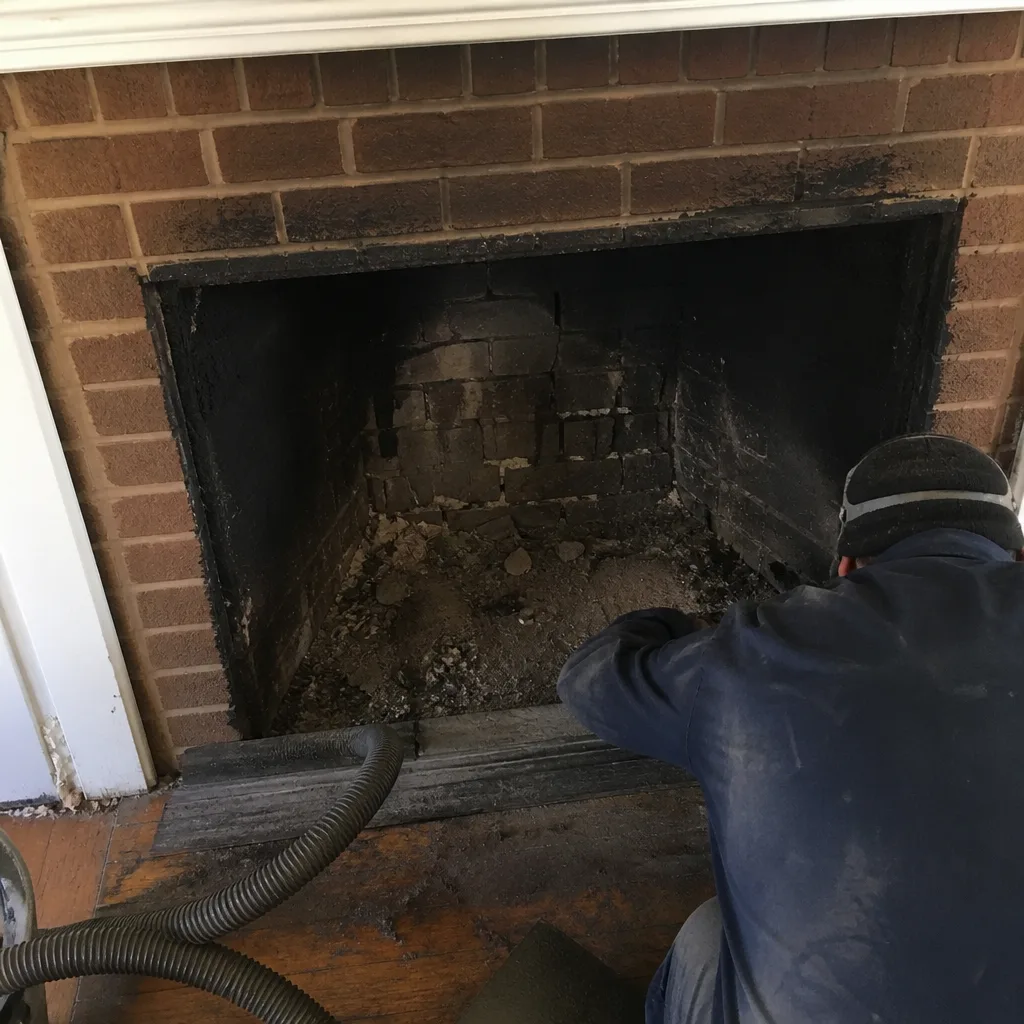 Before
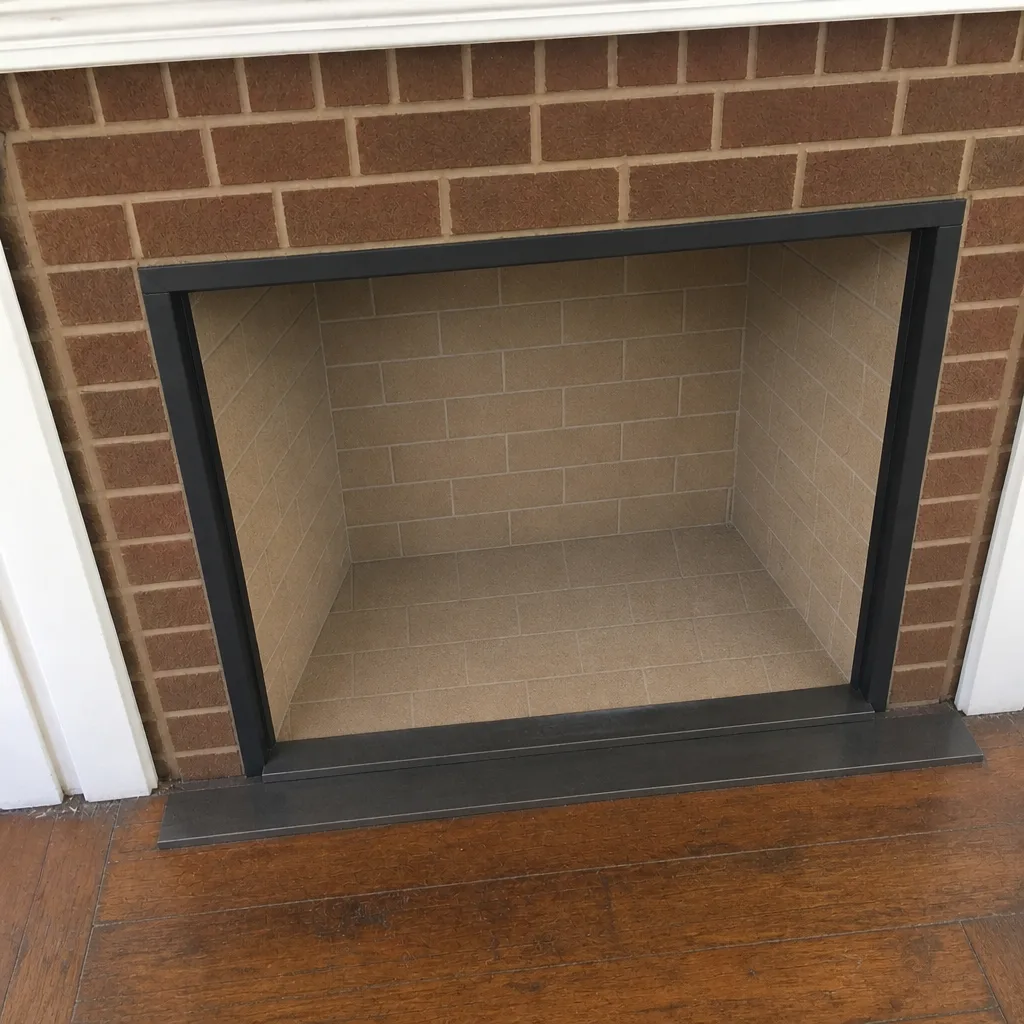 After
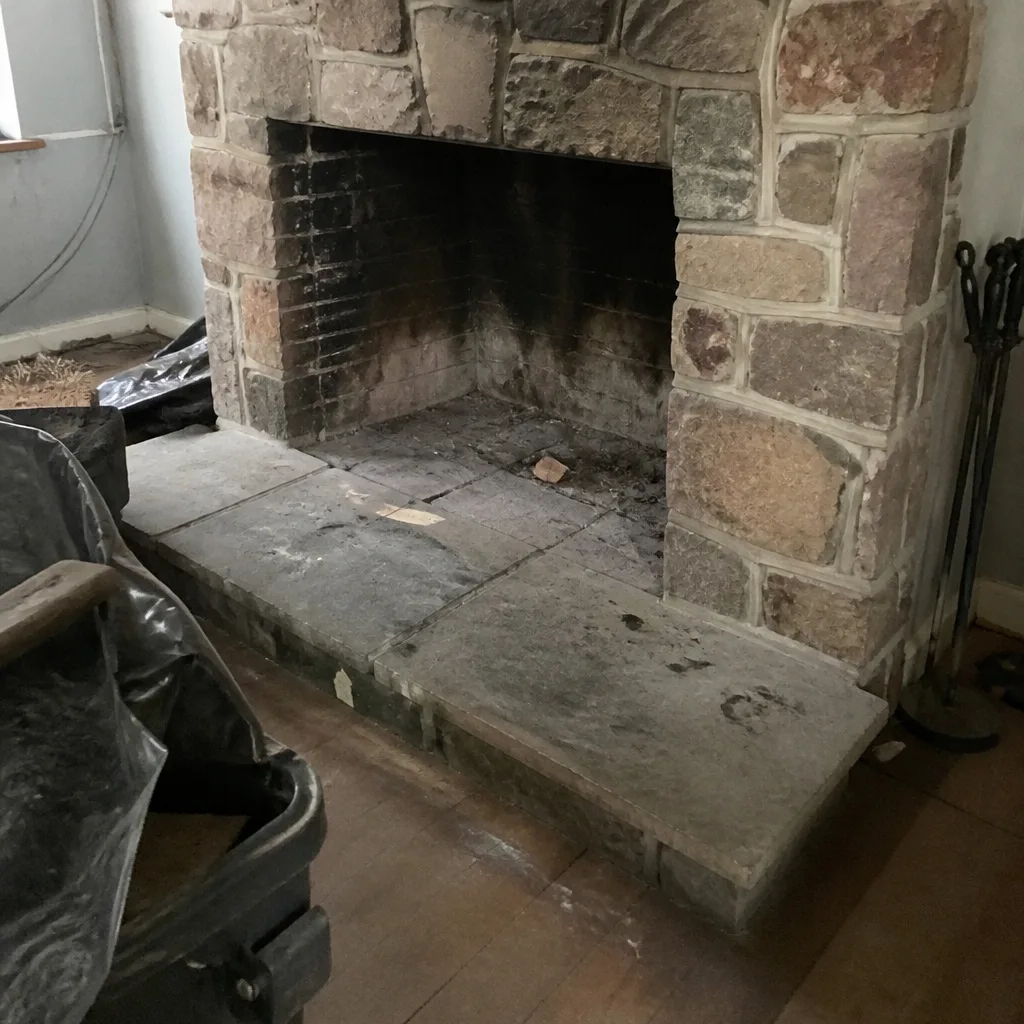 Before
 After
 Before
 After