
Last updated November 25, 2026
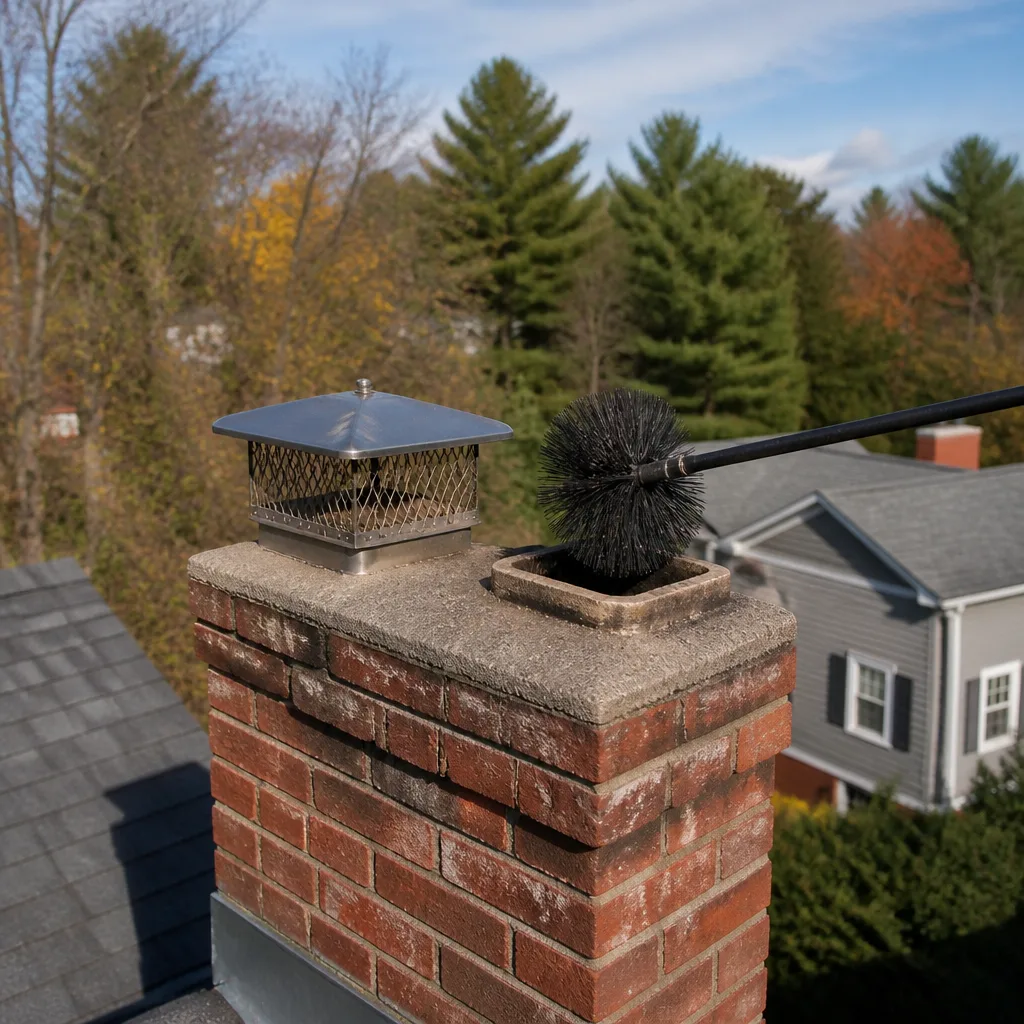 Sweep & inspection
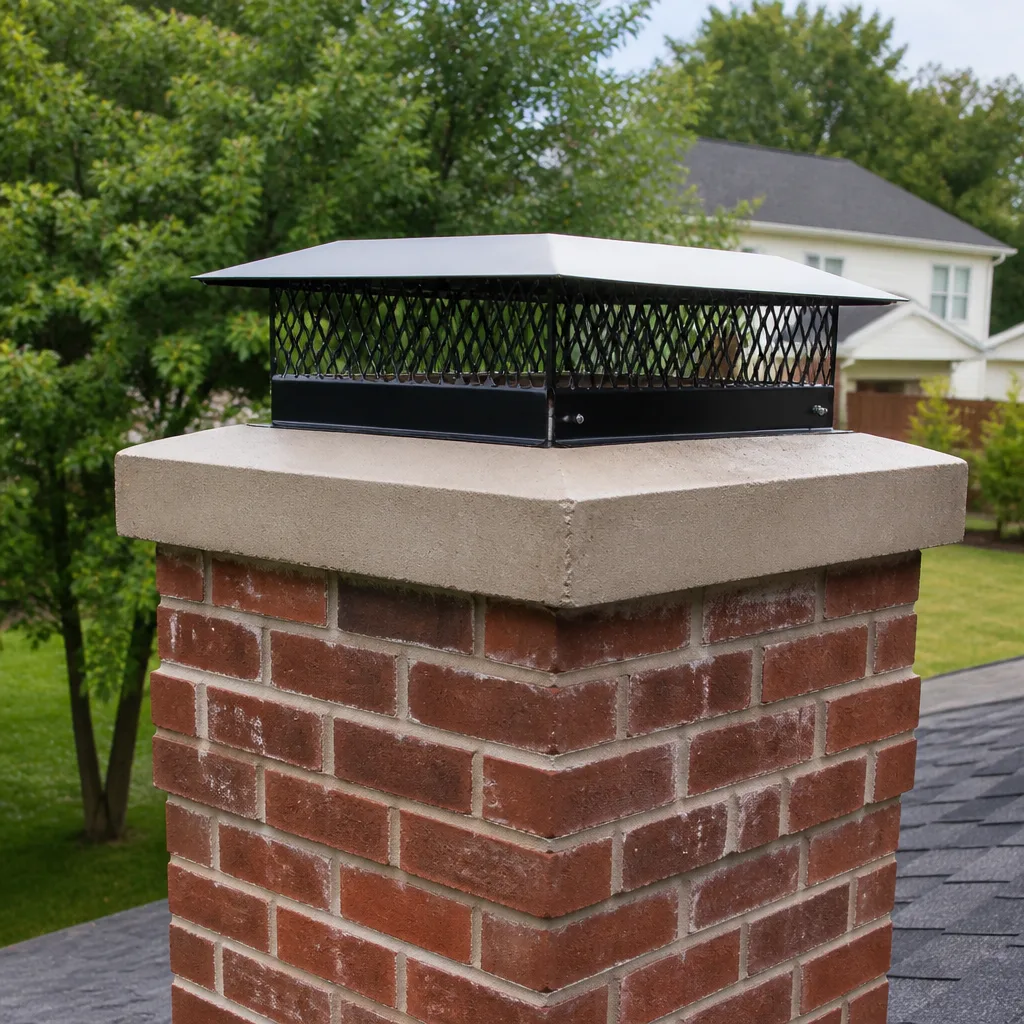 Caps & crowns
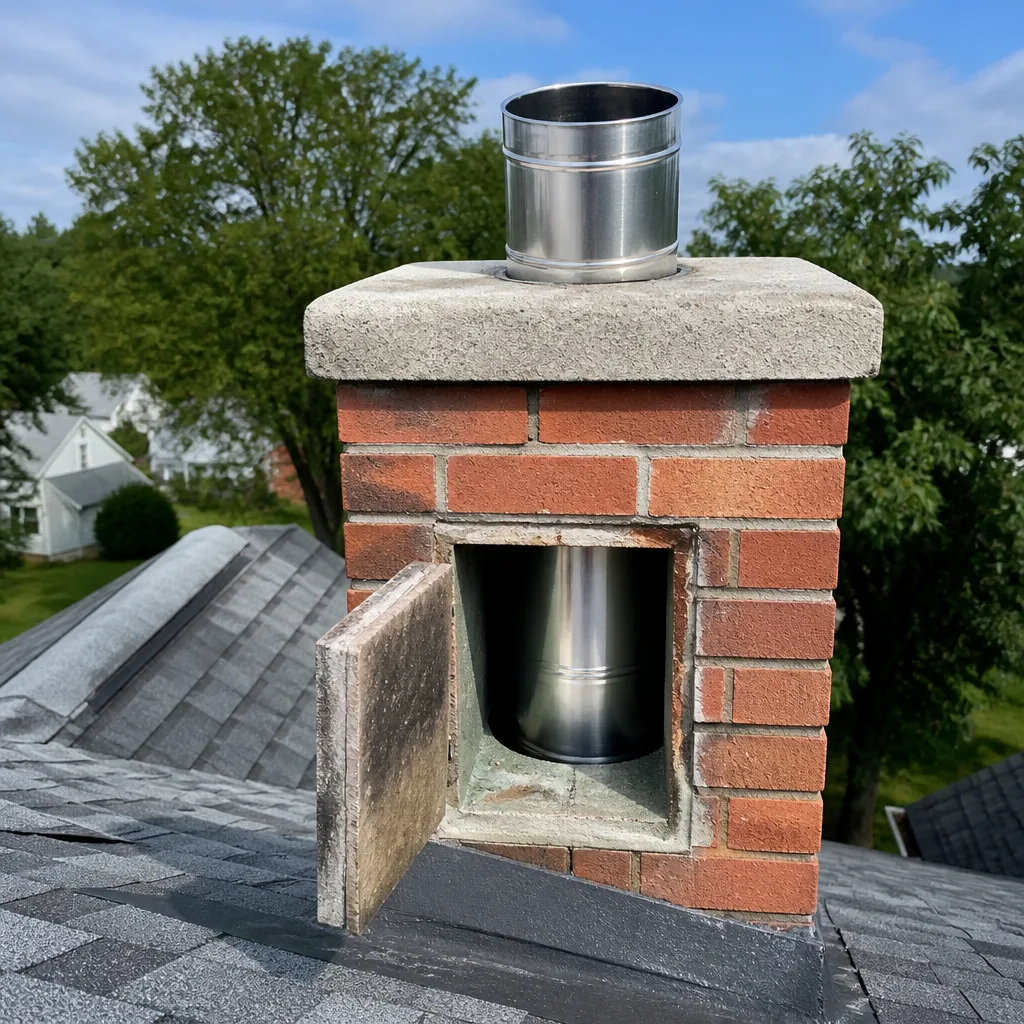 Flue relining
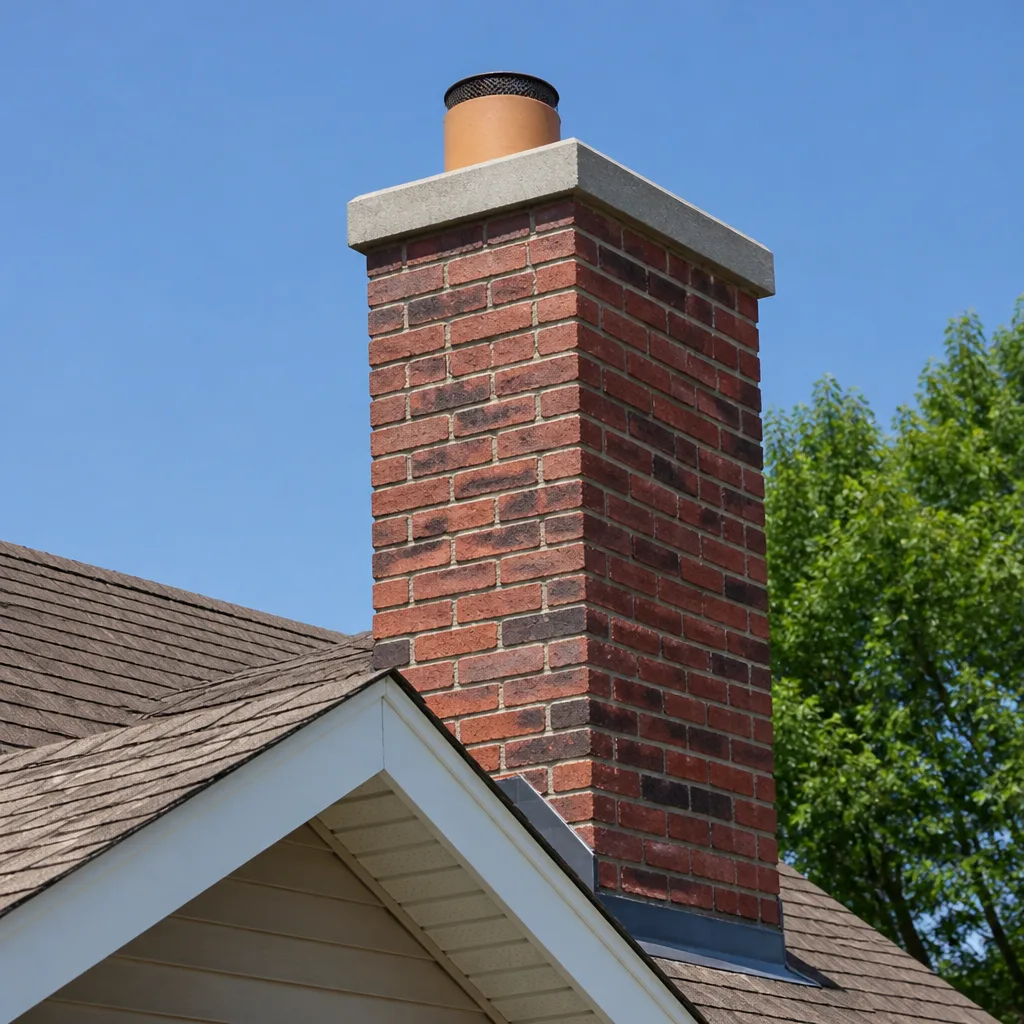 Masonry repair
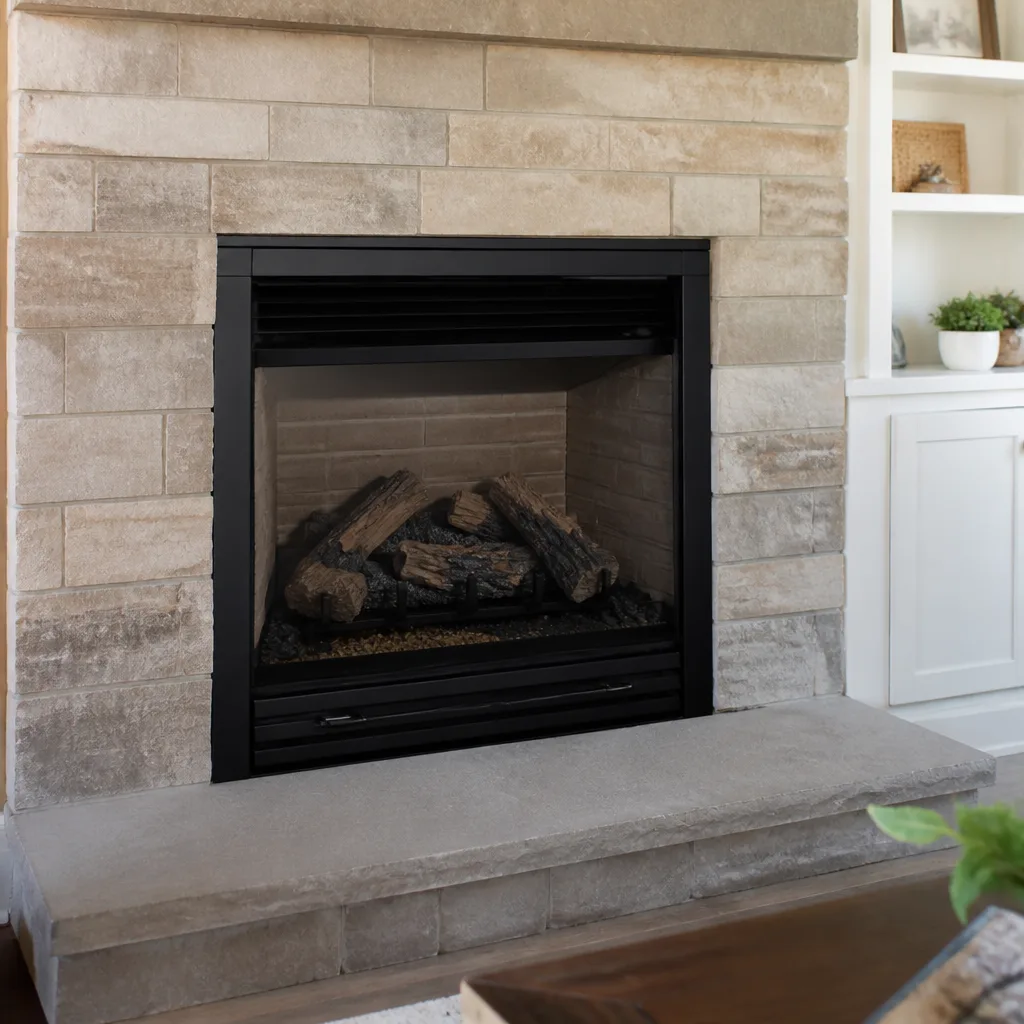 Gas fireplace service
Level 1 sweep and inspection to the NFPA 211 annual standard - flue, crown, cap, and flashing checked and photographed
Chimney sweep logs do not sweep chimneys. They loosen some creosote - which then falls where a brush and vacuum still have to collect it.
Choosing the Right Chimney Cleaning Brand: A Buyer’s Guide for Mott Haven
Most homeowners judge a chimney sweep by the price on the invoice, not by what came out of the truck. That’s the wrong thing to watch. A technician with a consumer-grade wire brush and a shop vac can push soot around a flue for an hour and still leave the glaze, the ledges, and the off-angle sections untouched – and you’d never know, because you weren’t on the roof with them. The tools and products a sweep carries tell you a lot about how the job will actually go. In this guide, we walk through the professional-grade brands that matter in chimney cleaning, what each one is for, and how to ask a Mott Haven contractor about their equipment without turning the conversation into an interrogation.
Quick Answer
Professional chimney cleaning in Mott Haven relies on recognized trade brands – not hardware-store substitutes – because the results differ. Rotary cleaning systems like the Poultry Master, inspection cameras like Chim-Scan, chemical treatments like Anti-Creo-Soot and FireGuard, and refractory mortars like Sairset and Kastolite are the products a trained technician specifies for a reason. The right contractor carries those tools, inspects before recommending anything, and can explain exactly why each one is on the truck.
Styles & brands we work with
- Sweep & inspection
- Caps & crowns
- Flue relining
- Masonry repair
- Gas fireplace service
Table of Contents
- Why the Tools and Products Matter More Than the Price
- The Professional-Grade Brands You Should Recognize
- Rotary Cleaning vs. Rod-and-Brush: What Different Flue Liners Need
- Chemical Creosote Treatment vs. Physical Removal
- Why Sealant and Repair Materials Matter on Firebox and Crown Work
- How to Ask a Mott Haven Contractor About Their Equipment
- What a Proper Inspection Catches That a Cheap Sweep Misses
- Mott Haven Chimneys: What the Local Housing Stock Demands
Why the Tools and Products Matter More Than the Price
Two sweeps can quote the same job in the Bronx and mean completely different things. One arrives with a nylon brush set and a small vacuum. The other shows up with a rotary system, a HEPA-grade vacuum, and a camera that can see ten feet up the flue before anyone touches a thing. On paper, both are “a chimney sweep.” On the roof, they aren’t close.
The difference isn’t about prestige. It comes down to what each tool can actually reach and what gets documented. A traditional rod-and-brush sweep works well on a straight, smooth flue. It leaves glaze untouched on a heavily used firebox, and it can’t warn you about a crack four feet above the smoke chamber because the technician never saw one. A camera does. A rotary system can break glazed creosote loose in ways a stiff brush can’t. Those differences compound when your Mott Haven chimney is older, has an offset, or hasn’t been touched in several seasons.
When we talk about “professional-grade” in the chimney trade, we mean products that are rated for the temperatures and conditions inside a working flue. Hardware-store caulk isn’t. Generic degreasers aren’t. A consumer brush kit is fine for a homeowner checking a stovepipe, but it isn’t the tool a trained technician uses to clean and verify a full chimney system. The word “system” matters here. Your flue, firebox, damper, smoke chamber, crown, and cap all interact. A sweep who only cleans the flue and never checks the rest is cleaning a third of what they were hired to protect.
What you learn by asking about tools: how the contractor thinks about the job. A sweep who can name the specific products they carry and explain when they use each one has clearly invested in getting the work right. One who shrugs and says “we’ve got brushes” hasn’t.
The Professional-Grade Brands You Should Recognize
The chimney trade has a handful of names that show up across training, trade publishing, and the equipment lists of serious contractors. They aren’t advertising to you, because they sell to the trade. Knowing them is one way to spot a real specialist.
- Rutland – a long-established name in chimney cleaning products, creosote treatments, and related consumables. If a sweep carries Rutland, they’re probably buying through trade channels rather than a home improvement aisle.
- Anti-Creo-Soot – a chemical treatment designed to help loosen and break down creosote deposits over multiple burns. It’s not a substitute for physical cleaning; it’s a supplement the technician may recommend between sweeps when light glaze is present.
- FireGuard – another recognized creosote treatment line used by sweeps to help condition a flue that’s accumulating glaze faster than a routine cleaning can address.
- Chim-Scan – a well-known line of chimney inspection cameras. A Chim-Scan lets the technician see the inside of the flue in real time and record what they find. If a repair is being recommended, this is what justifies it.
- Poultry Master – a rotary chimney cleaning system used to drive chains or whips through the flue at speed, which scours glaze and heavy soot in ways a brush can’t. It’s the kind of tool a trade sweep invests in when they specialize in tough cleanings, not light maintenance.
- Sairset and Kastolite – refractory mortar mixes for firebox and crown repairs. Both are rated for the heat a firebox sees; standard mortar and caulk are not.
Alongside cleaning tools, professional-grade brands matter on the repair side. DuraFlex stainless liner systems, HeatShield ceramic liner resurfacing, Gelco caps, and Olympia Chimney components are the kinds of products used by contractors who treat chimney work as a trade, not a side job. A sweep recommending a full reline as the first and only option, without discussing HeatShield or camera evidence, is likely a sweep who doesn’t have the equipment to do anything other than reline.
Rotary Cleaning vs. Rod-and-Brush: What Different Flue Liners Need
There’s a real professional debate about how much rotary cleaning a given flue can take. A rotary system uses a spinning chain or whip driven by a drill or dedicated motor. It’s aggressive enough to strip glazed creosote that a brush barely touches. But it’s also capable of chewing up softer liner material if the technician runs it wrong. The right method depends on what your flue is lined with.
- Clay tile liner. Standard in most pre-war and mid-century masonry chimneys across Mott Haven, including the walk-ups and rowhouses south of the Bruckner. Clay tile is hard but brittle. Gentle rotary work is fine, but a technician who runs too fast, too hot, or too tight can crack a tile. That’s why camera inspection comes first.
- Cast-in-place liner. Often installed in the 1980s and 1990s as an upgrade. Cast-in-place is smoother than tile and can handle rotary cleaning well, but it also ages poorly in spots – chip-outs near the top and around the thimble are common. A raster-scanned camera sweep catches those before they become a problem.
- Stainless steel liner. Flexible or rigid sections, often from DuraFlex or Olympia Chimney. Stainless is generally the most forgiving for rotary work, but the welds and the seams are the weak points. A technician should use nylon brushes on stainless when the liner is corrugated, and rotary tools on the smooth sections.
A rod-and-brush method is the right tool for routine annual maintenance on a smooth, straight, single-flue chimney that’s been serviced consistently. It’s also the safest choice when a liner’s condition is unclear or hasn’t been inspected. In our experience, the cases where rotary cleaning is genuinely needed are the ones where glaze is already present, where the flue has heavy soot buildup from a neglected season, or where a specific performance problem – smoke backdraft, poor draft, stubborn odor – suggests a physical obstruction rather than surface soot. Rotary is not better than brush by default. It’s the right tool for particular conditions, and a sweep who can explain when they’d use each one is a sweep who knows their trade.
Chemical Creosote Treatment vs. Physical Removal
Chemical treatments like Anti-Creo-Soot and FireGuard work differently than physical cleaning, and a good sweep knows the limits of both. Chemical treatments are designed to alter the creosote so it dries, crystallizes, or flakes off more readily over the course of several burns. They’re a helpful aid between cleanings, especially in the coldest weeks of a Mott Haven winter when the firebox is going daily and glaze accumulates fast.
What chemical treatments cannot do: they can’t remove heavy, hard, glazed creosote in a chimney that’s been neglected for years. They can’t open a flue blocked by a bird nest, a collapsed tile, or soot fall. They can’t substitute for a camera inspection that verifies liner condition. If a sweep ever recommends a chemical treatment as the entire solution to a stage-three glazed flue, that’s a warning sign. Some sweeps will use a chemical treatment as a complement to physical cleaning; others, especially in high-use homes, will recommend a physical rotary cleaning first and then a treatment between seasons. If you’re being told to skip the physical cleaning and just burn a chemical log, ask why. The right answer is that the physical removal still has to happen.
The creosote stages matter here. Stage one creosote is soot-like and brushes away easily. Stage two is flaky and crusty. Stage three is glazed and hard, and often requires rotary mechanical work to break free. A technician’s willingness to talk about which stage your flue is at – and what tool they’ll use to get it out – is a strong sign they’re being honest about the work in front of them. Without that language, the recommendation is guesswork. For a fuller picture of how cleaning and inspection fit together, see our chimney sweep overview.
Why Sealant and Repair Materials Matter on Firebox and Crown Work
Here’s where the tool and product question turns into real money. A firebox crack that gets patched with standard caulk or mortar won’t last. The firebox walls see temperatures that burn right through calcium-based mortars and generic sealants. The right material is a refractory mortar, and that’s where the difference between professional-grade products and the hardware-store alternative becomes obvious.
Refractory mortar mixes like Sairset and Kastolite are formulated specifically for firebox and crown repairs that see high heat. They hold up. Generic mortar doesn’t; it cracks, spalls, and fails within a season or two of steady use. A sweep recommending a repair with a product that isn’t rated for firebox heat isn’t doing the repair right, no matter how tidy it looks on the day.
The crown of the chimney – that concrete slab on top – is a different story. It sees weather, freeze-thaw cycling, and moisture more than intense heat. A well-formulated crown coating or crown mix, applied correctly, is what holds up in Mott Haven winters. Sealant choices matter too. A proper crown sealant should be formulated for masonry, allow for slight vapor transmission so the masonry doesn’t trap moisture, and be applied after any cracks are properly prepared. Hardware-store silicone caulk is not the right product for a chimney crown.
Our company works with DuraFlex on the liner side and HeatShield for non-invasive ceramic resurfacing, which lets us restore a liner’s interior in some cases where a full reline isn’t necessary. We work with Gelco on chimney caps and HeatShield on flue repairs. When we recommend chimney repair, it’s because the inspection found something that needs fixing – not because a repair is the next item on a list. Inspect first, recommend second.
Caps and crowns deserve specific attention because so much water damage starts at the top. A properly installed chimney cap & crown prevents moisture intrusion, animal nesting, and the freeze-thaw cracking that turns a small crown issue into a masonry rebuild.
How to Ask a Mott Haven Contractor About Their Equipment
The last thing you want is to make a contractor feel like they’re being quizzed for a job interview. The trick is to ask real questions about the work, not to run down a checklist. A prepared contractor will light up at these questions – they’re the ones who take pride in the equipment they carry.
- “What do you use for cleaning, and why?” A good answer mentions brushes, a rotary system if they carry one, and how they decide which to use. A weak answer is “standard brushes.”
- “Do you do camera inspection, and will I see the footage?” A Chim-Scan or equivalent camera is the standard. Ask to see the recording of your own flue before any repair is recommended. A technician with nothing to hide will show you.
- “What kinds of treatments do you keep on hand for glazed creosote?” Look for names like Anti-Creo-Soot, FireGuard, or Rutland. Acknowledging that chemical treatment doesn’t replace physical cleaning is a good sign.
- “If the firebox or crown needs a repair, what material do you use?” Listen for refractory mortar – Sairset or Kastolite – for the firebox, and a proper masonry crown product for the crown. “Caulk” is the wrong answer here.
- “If a reline is suggested, do you have other options?” A specialist might recommend HeatShield ceramic resurfacing instead of a full stainless reline for certain liner conditions. A sweep-only service can’t offer that choice.
- “Can I get the inspection report in writing?” A professional-grade inspection should end with documentation you can file for insurance and keep as a record.
None of these are gotcha questions. They’re the questions a prepared homeowner should ask, and the answers reveal competence without any air of a test. For an overview of what a full-service specialist covers, see Chimney Sweep Mott Haven, or call (855) 726-7555 to book an inspection.
What a Proper Inspection Catches That a Cheap Sweep Misses
A sweep who shows up without a camera and doesn’t go on the roof isn’t inspecting your chimney. They’re cleaning what they can reach from the firebox. That leaves the crown, the cap, the top of the flue, the smoke chamber shelf, and the outer masonry out of the picture. Here’s what a proper inspection is looking for – and why each item matters.
- Creosote stage and distribution. Where the glaze is, how thick, and whether it’s in the flue or the smoke chamber. This decides whether rotary cleaning is needed.
- Liner integrity. Cracks, spalling, gaps between tiles, and damaged sections of a stainless liner. A cracked liner allows heat and carbon monoxide to reach combustible framing. This is one of the safety findings that justifies repair promptly.
- Crown condition. Cracking, separation from the flue, and missing or degraded sealant. A failing crown lets water in, and in a Mott Haven winter, that water freezes, expands, and pushes masonry apart.
- Cap and spark arrestor. Missing, damaged, or pest-clogged caps are common in the neighborhood. A well-fitted cap from a brand like Gelco prevents birds, squirrels, and rain from entering the flue.
- Smoke chamber and damper. The damper should open and close smoothly and seal. The smoke chamber shelf should be parged, not raw brick, so creosote doesn’t collect on the shelf.
- Firebox condition. Cracks in the firebox masonry are a fire-spread risk. Refractory mortar repairs, not caulk, are how those get fixed properly.
An inspection that follows NFPA 211 – the industry standard for chimney, fireplace, vent, and solid-fuel appliances – includes all of these items and documents what’s found. If a repair recommendation comes out of that, it should be tied to a specific photograph or camera frame. If a technician says “your liner needs replacing” without a picture, ask for one. There’s no reason not to show you. Our technicians have up to 14 years of experience, and every inspection ends with a written report and camera evidence you can look at yourself.
The flip side of that is worth saying plainly. A proper inspection sometimes finds nothing that needs immediate attention. If the flue is clean and the masonry is sound, we’ll tell you that and book the next routine sweep. Nothing gets recommended without evidence, and some work can safely wait until next season if conditions don’t call for urgency now.
Mott Haven Chimneys: What the Local Housing Stock Demands
Chimneys in Mott Haven aren’t one thing. The neighborhood has a mix of walk-up apartment buildings, brick rowhouses, and older single-family homes, and the fireplace and chimney systems inside those buildings vary just as much. Some are original masonry flues dating back well over a century. Others have been relined with cast-in-place or stainless systems during past renovations. Some have been closed off and are now decorative, with a chimney that hasn’t been inspected in years.
The local climate is hard on masonry. Mott Haven winters offer repeated freeze-thaw cycles, and each cycle works on any crack or seam that moisture has already entered. A crown that was fine in October can be showing real decay by February. Summer heat and humidity do a slower version of the same damage from the inside. That’s why the crown, cap, and masonry joints – the upper parts of the system – deserve as much attention as the flue itself. Moisture, heat, and time are hard on masonry, and here’s what we look for: crown cracks, failed mortar joints, spalled brick, and a cap that isn’t seated properly.
Housing density matters too. In a rowhouse, a chimney fire or a masonry failure at one property can affect a neighbor. That raises the stakes on annual inspection, even for homeowners who only use the fireplace a handful of times each winter. Building managers with multiple units should be running inspections on a schedule rather than waiting for a tenant complaint, because problems compound quietly.
If you’re a property manager or homeowner with a wood-burning or gas fireplace in Mott Haven and you haven’t had the system inspected in the last year, that’s the starting point. Routine inspection and cleaning are the cheapest part of chimney ownership by a wide margin. For the full-service picture, see our chimney sweep page. If you were flagged by a home inspection report, the same process applies – we start by confirming what the report found and what it didn’t cover.
Common Mistakes to Avoid
- Judging only by price. A bottom-dollar sweep often means a rod-and-brush-only service with no camera inspection and no written report. On a Mott Haven chimney that hasn’t been looked at in several years, that’s exactly the job that needs the tools a cheap sweep doesn’t carry.
- Accepting a repair recommendation without seeing the evidence. If a sweep says the liner needs relining without showing a camera image, ask for one. There is no legitimate reason to hide it.
- Patching a firebox with hardware-store caulk. Standard caulk and mortar aren’t rated for firebox heat. The fix fails within a season and leaves the crack exposed again. Refractory mortar like Sairset or Kastolite is the professional-grade material for the job.
- Skipping the crown and cap because they’re out of sight. Much of the structural damage we see in Mott Haven chimneys starts at the top. A failed crown or missing cap lets water in, and water is the slow, quiet problem.
- Treating a chemical creosote log as the whole solution. Anti-Creo-Soot and FireGuard help between cleanings. They don’t replace physical removal of glazed creosote, and no honest technician will claim they do.
- Assuming a gas fireplace doesn’t need inspection. Gas fireplaces and their venting still need periodic inspection. Venting problems in gas systems have their own safety considerations.
- Booking a sweep-only service and expecting repair capability. If the inspection finds a crown or firebox issue, a sweep-only provider often can’t fix it. You end up sourcing a second contractor for the repair the inspection just found. A single specialist covering the whole system saves that step.
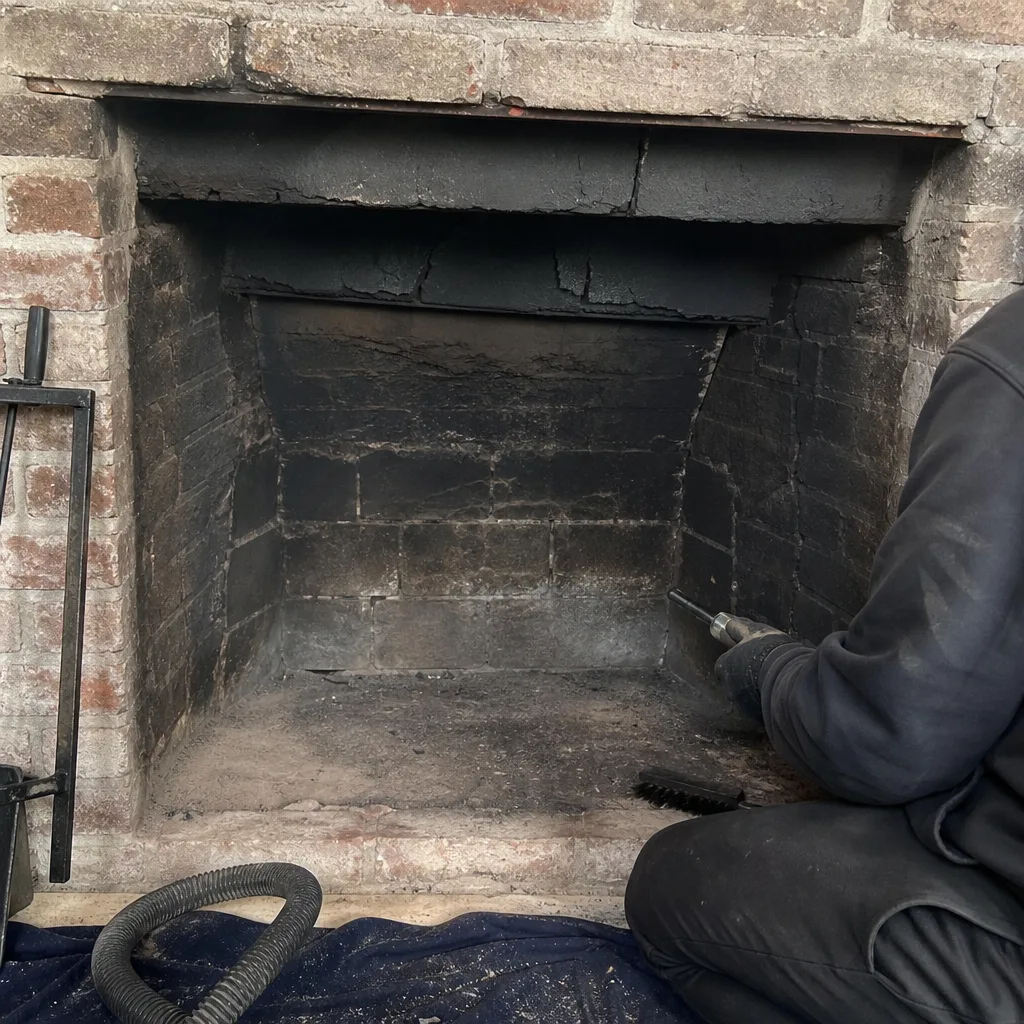
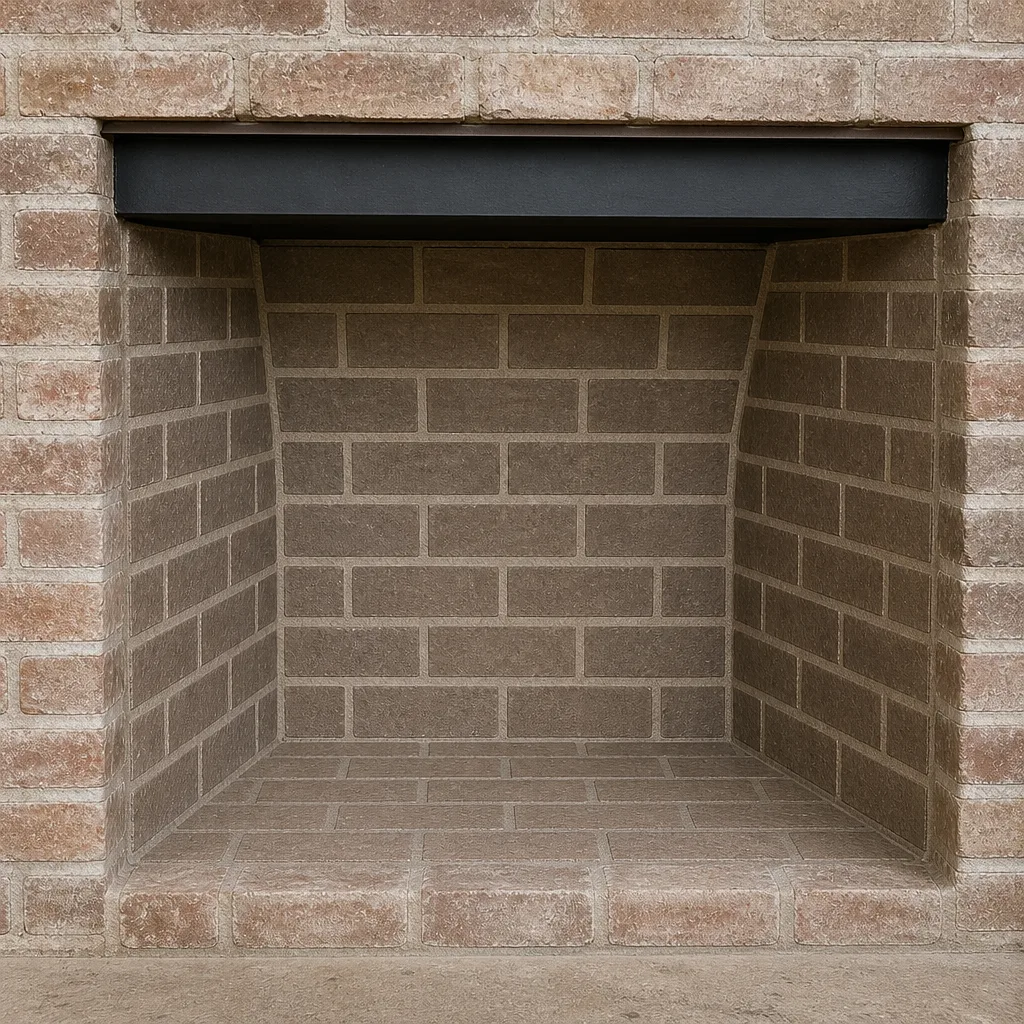
See the difference
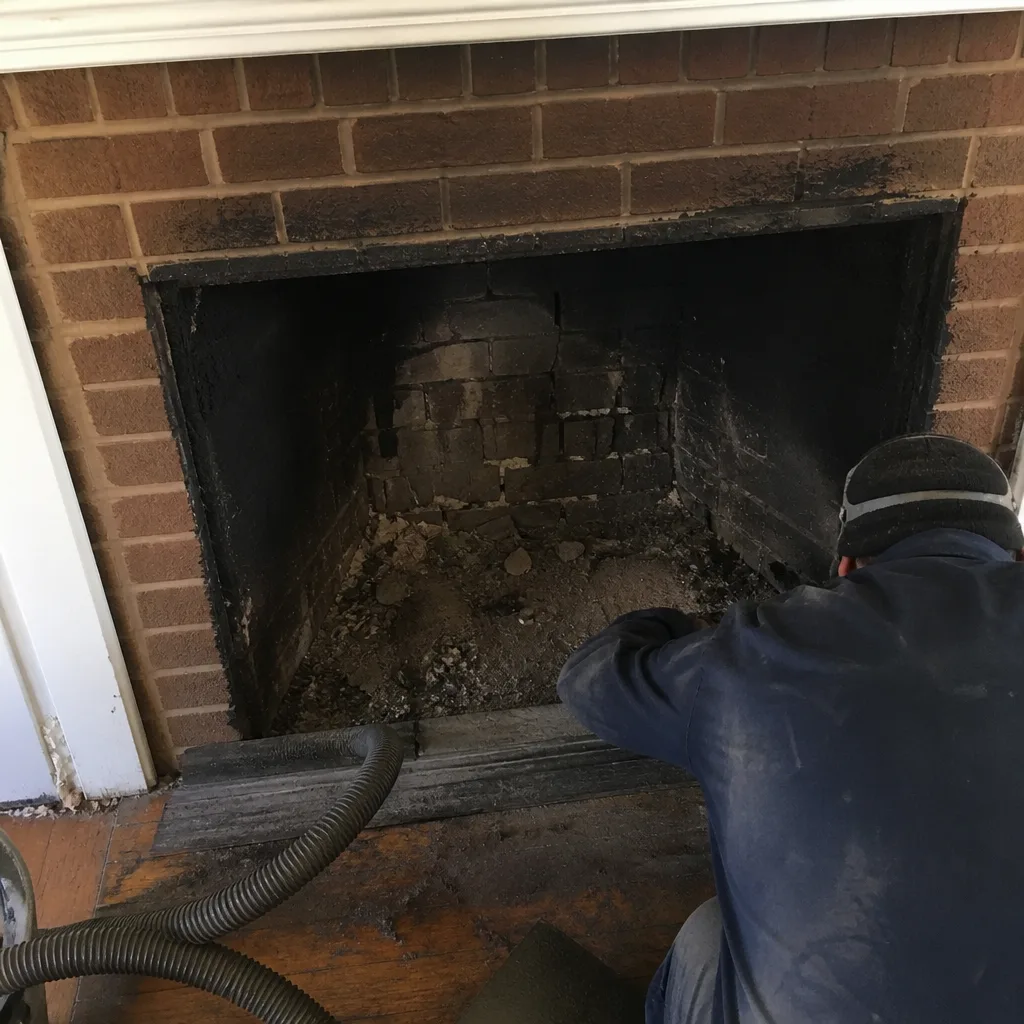 Before
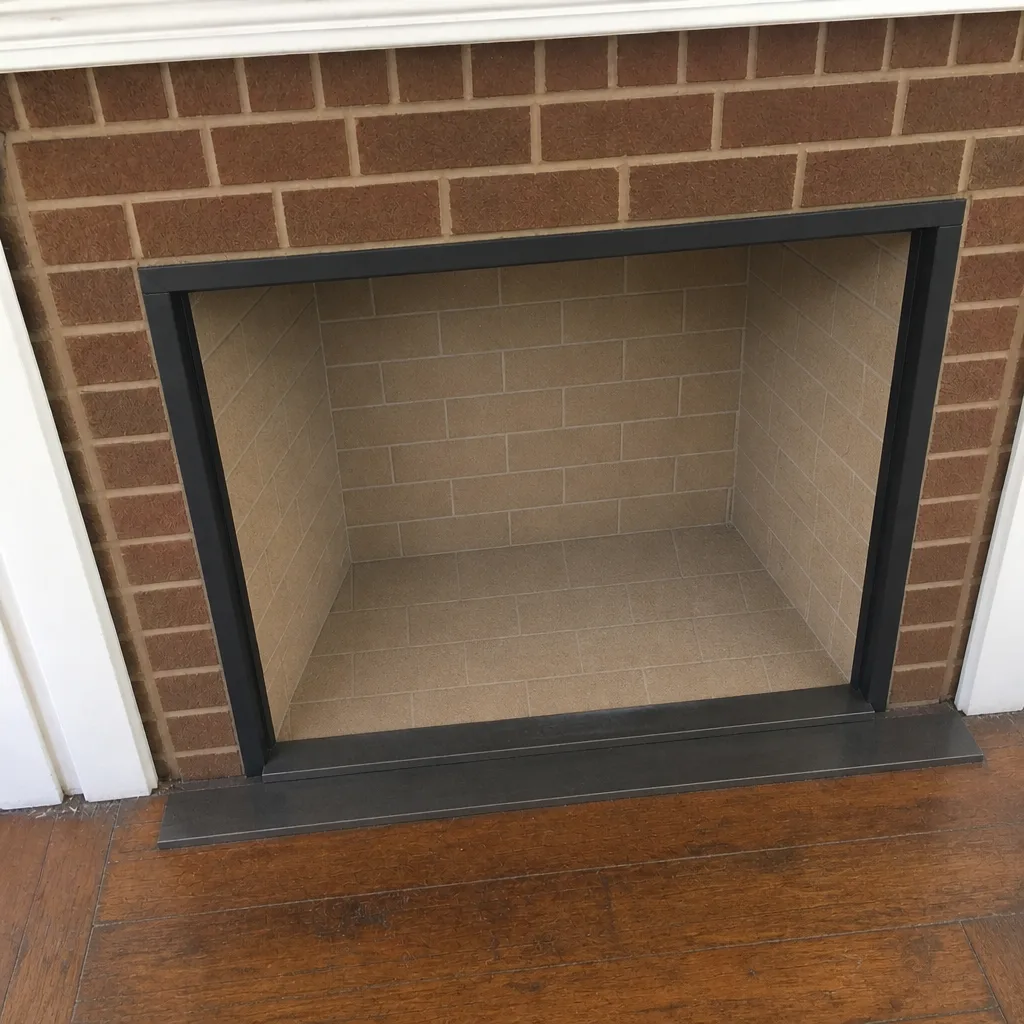 After
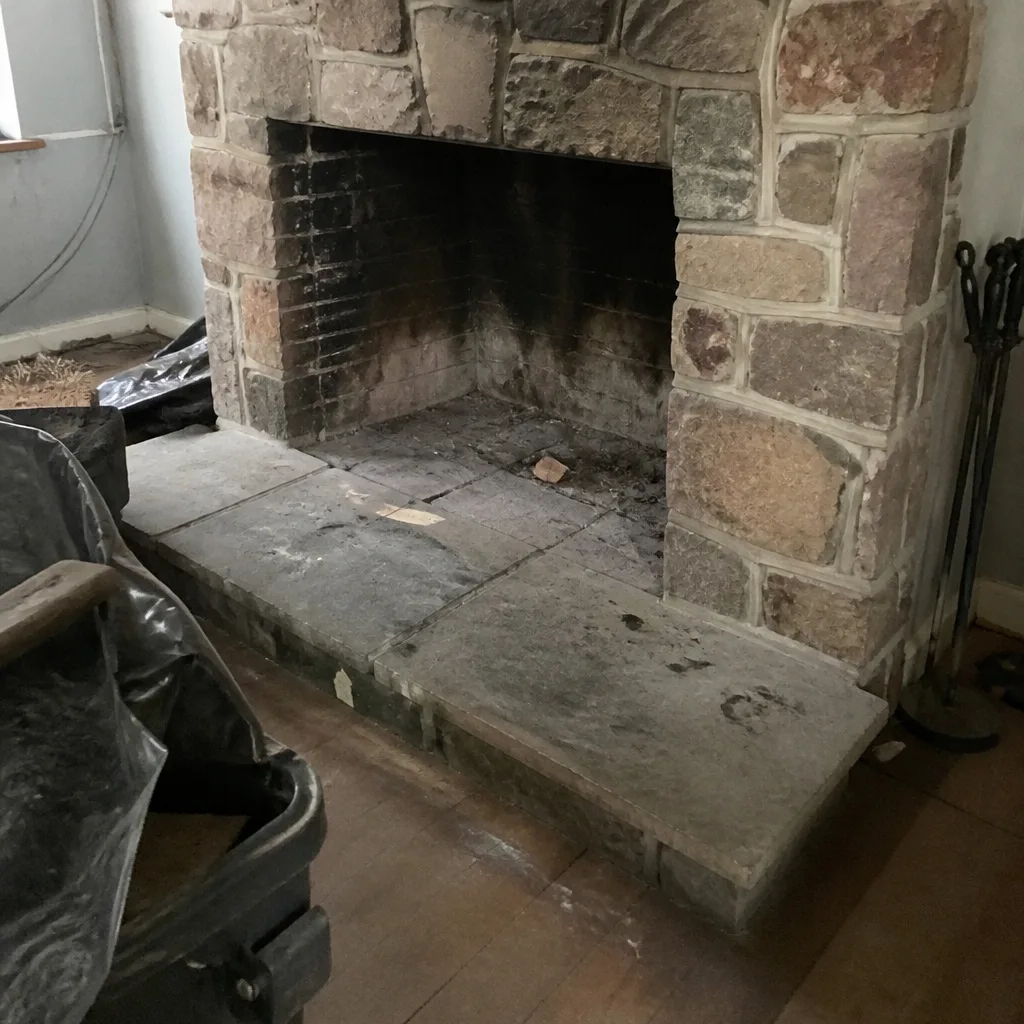 Before
 After
 Before
 After
When to Call a Professional
Some situations call for a chimney specialist, not a general handyman with a ladder. Smoke rolling back into the room when you light a fire, a persistent odor from the fireplace in the warmer months, visible cracking in the firebox or crown, water stains on the ceiling near the chimney chase, or a chimney that hasn’t been inspected in over a year – each of those is a call worth making. So is a home inspection report that flagged the chimney without fully clarifying the condition; the follow-up should be a proper NFPA 211 inspection with camera evidence. If you’re buying a home in Mott Haven and the report came back with caveats about the flue or the crown, that’s exactly the kind of pre-purchase inspection a specialist is built for.
Chimney Sweep Mott Haven offers free estimates in Mott Haven – call (855) 726-7555. We answer 24/7. Fast dispatch from 7am to 7pm, Sunday through Friday.
Frequently Asked Questions
A routine chimney sweep in Mott Haven typically runs in the low hundreds of dollars for a single flue, with inspection, camera work, and any repair recommendations priced separately and laid out in a written estimate before the work is booked. Exact pricing depends on the flue, the creosote condition, and what the inspection finds. We give a flat price for the sweep, agreed before booking, and the written estimate sets the final price for any additional work. Call (855) 726-7555 for an exact quote – estimates are free.
Yes. The difference between a consumer-grade brush and a rotary system or an inspection camera shows up in what gets cleaned and what gets found. A sweep without a camera can’t see liner cracks, and a sweep without rotary capability often can’t remove glazed creosote. Ask what tools the technician carries and whether they camera-inspect the flue. The answer tells you how the job will actually go.
HeatShield is a ceramic liner resurfacing product applied to the inside of an existing chimney flue. It restores a damaged liner’s interior in some cases where a full stainless reline isn’t necessary, and it avoids the demolition and costly scope of a reline. It’s not a universal substitute – it depends on what the camera inspection finds. If a sweep recommends a full reline without mentioning HeatShield as a possible alternative, that’s worth questioning. Call (855) 726-7555 and we can walk through what the inspection shows before any recommendation.
Cleaning alone doesn’t verify liner integrity. A camera inspection shows the inside of the flue in real time, catches cracks, gaps, and blockages that brushing would miss, and produces footage you can look at yourself. On a Mott Haven chimney that hasn’t been inspected in the last year, or that came back with a caveat in a home inspection report, camera work isn’t optional – it’s the honest starting point. Inspect first, recommend second.
Most chimneys should be inspected annually, and swept when the inspection finds enough creosote to warrant it – roughly when the deposit reaches an eighth of an inch across the flue surface. Homes burning wood daily through the winter usually need a sweep once a year or more. Gas fireplaces need periodic inspection rather than creosote removal. Call (855) 726-7555 to book an inspection and we can tell you what your specific system needs.
Creosote and moisture damage both build quietly. Skipping inspection for a season or two can mean glazed creosote accumulating to a stage-three hard deposit that needs rotary cleaning, or a crown crack that lets water in through a full freeze-thaw cycle. Left longer, the repair scope expands. Firebox cracks and liner failures carry actual fire and carbon monoxide risk, which is why inspection is the routine part of chimney care, not an upsell. Call (855) 726-7555 for an inspection – estimates are free.
The Bottom Line
The chimney cleaning products and tools a contractor uses aren’t interchangeable. A rotary cleaning system, a Chim-Scan camera, professional creosote treatments like Anti-Creo-Soot and FireGuard, and refractory mortars like Sairset and Kastolite each exist because the trade has specific problems that hardware-store substitutes don’t solve. The right questions – what do you use, why, will I see the footage, what material goes in my firebox – get you a real answer from a real specialist. In Mott Haven, the housing stock and the freeze-thaw cycle make those answers matter all the more.
Chimney Sweep Mott Haven covers sweeping, cap and crown installation, chimney repair, fireplace repair, and inspection – from sweep to repair in one call, with no subcontracting. If you’re ready to book, call (855) 726-7555 for a free estimate. We answer 24/7. Fast dispatch from 7am to 7pm, Sunday through Friday.
Written by the team at Chimney Sweep Mott Haven.