
Last updated November 25, 2026
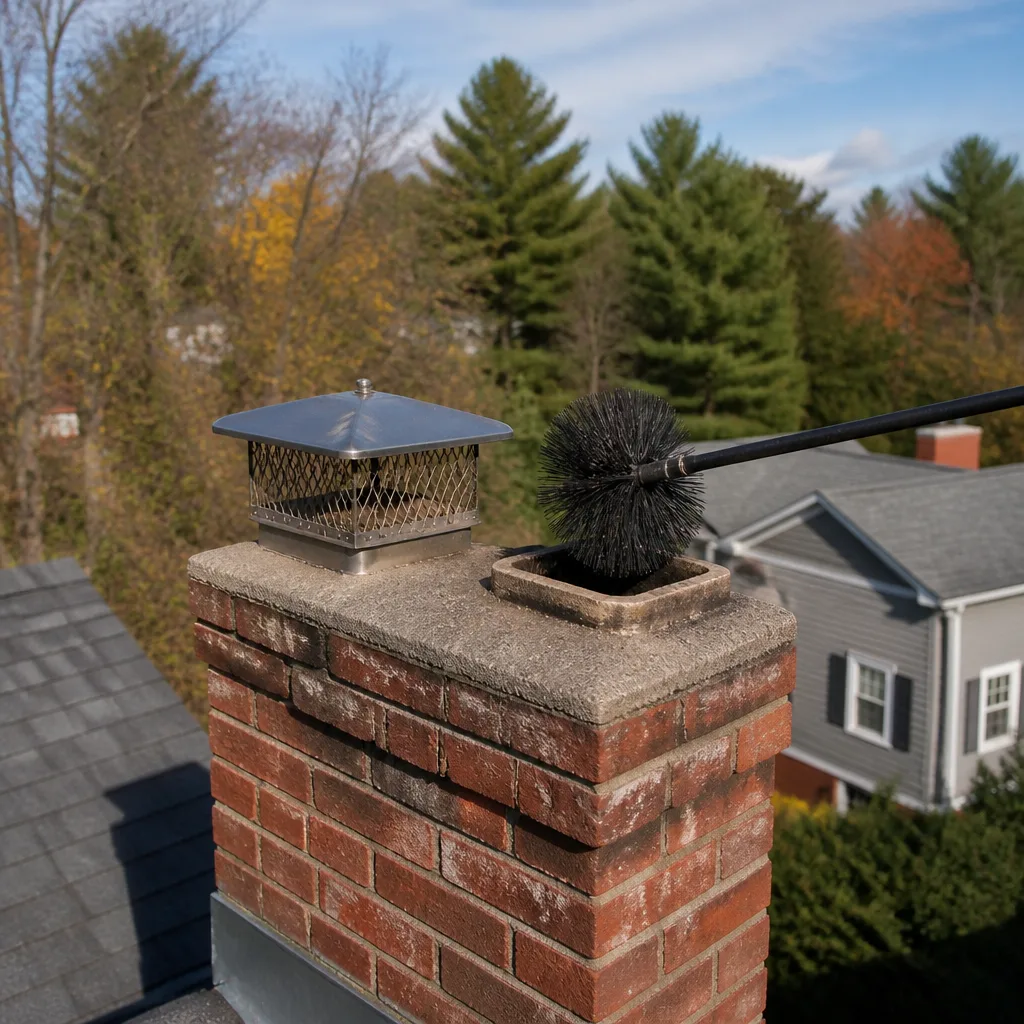 Sweep & inspection
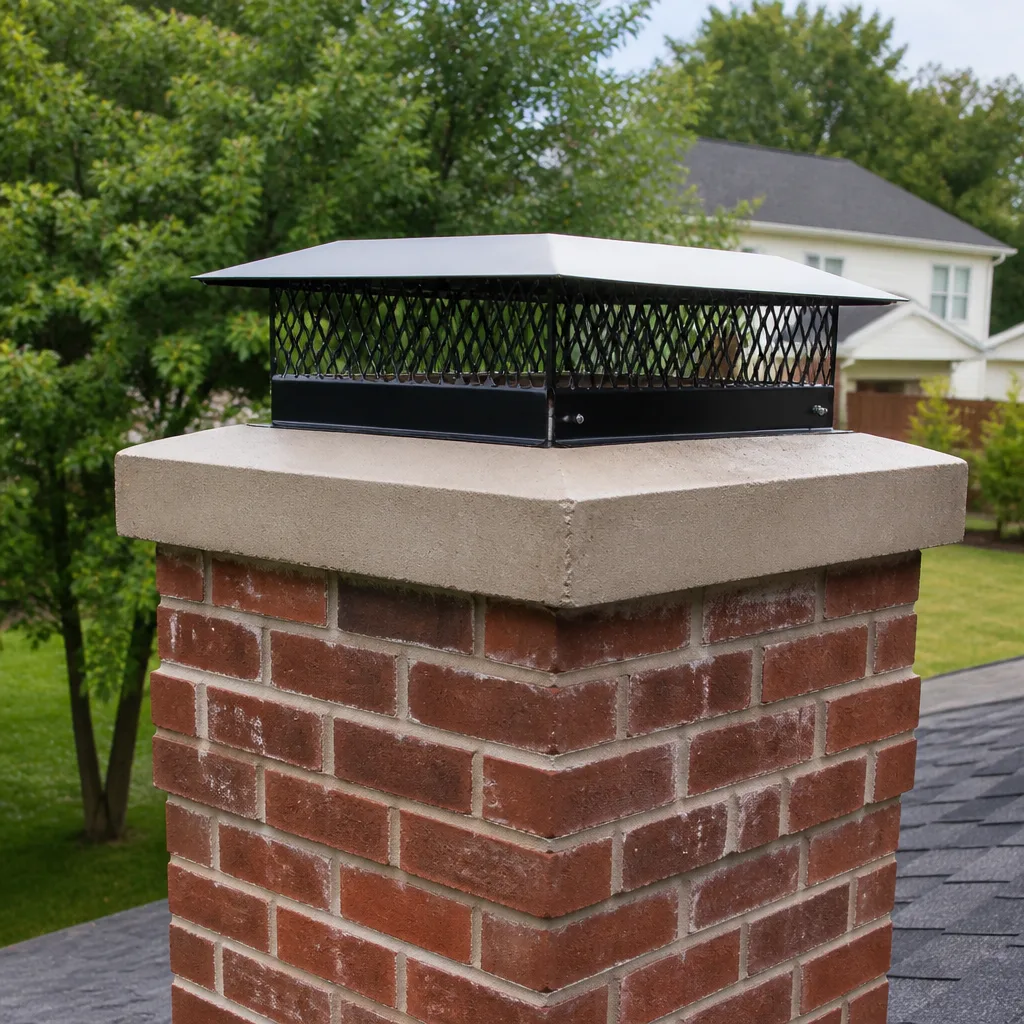 Caps & crowns
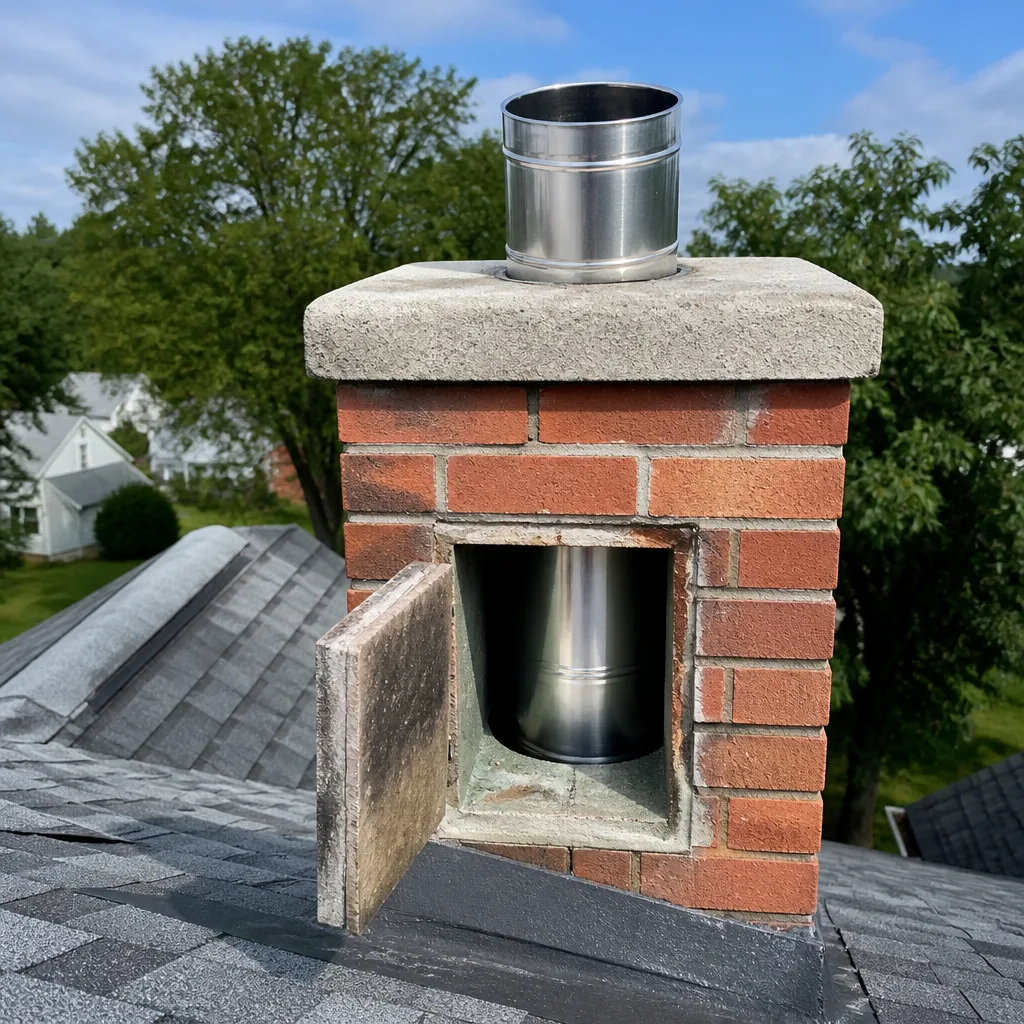 Flue relining
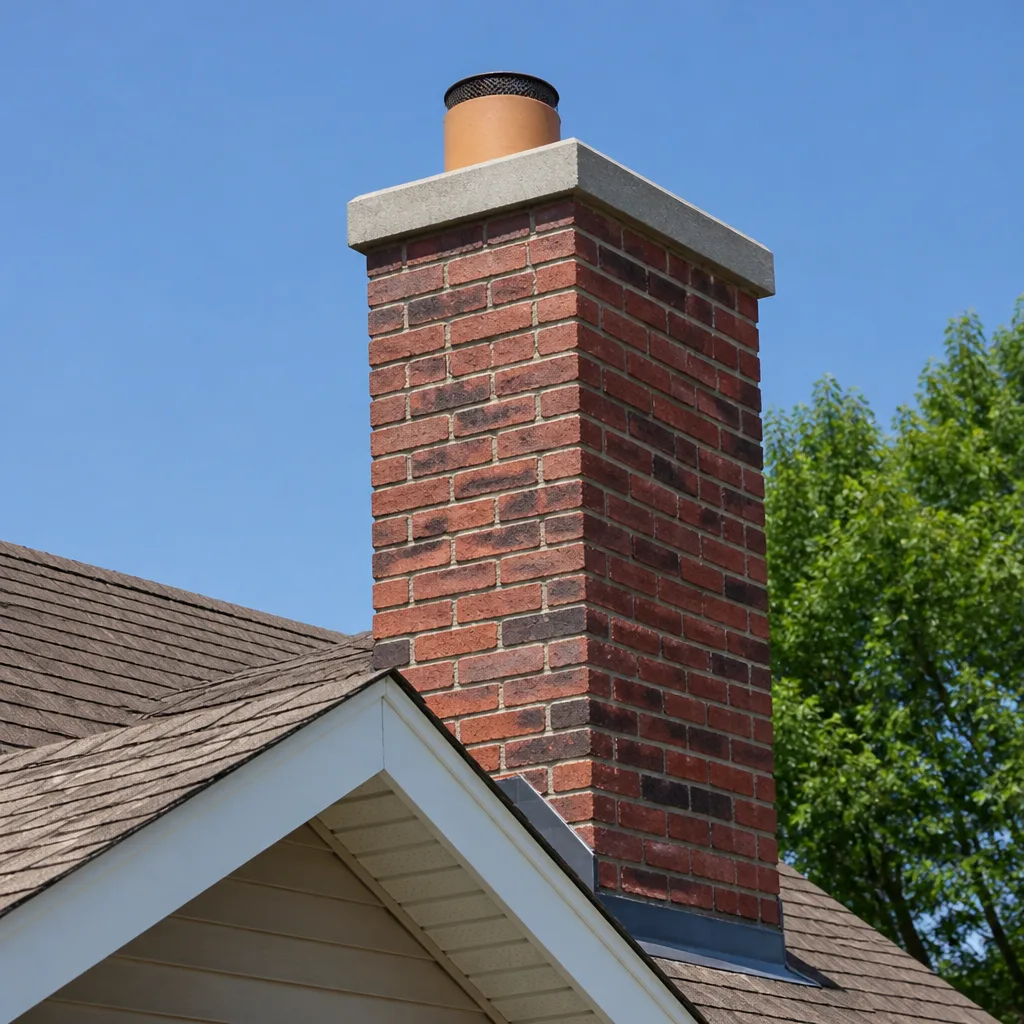 Masonry repair
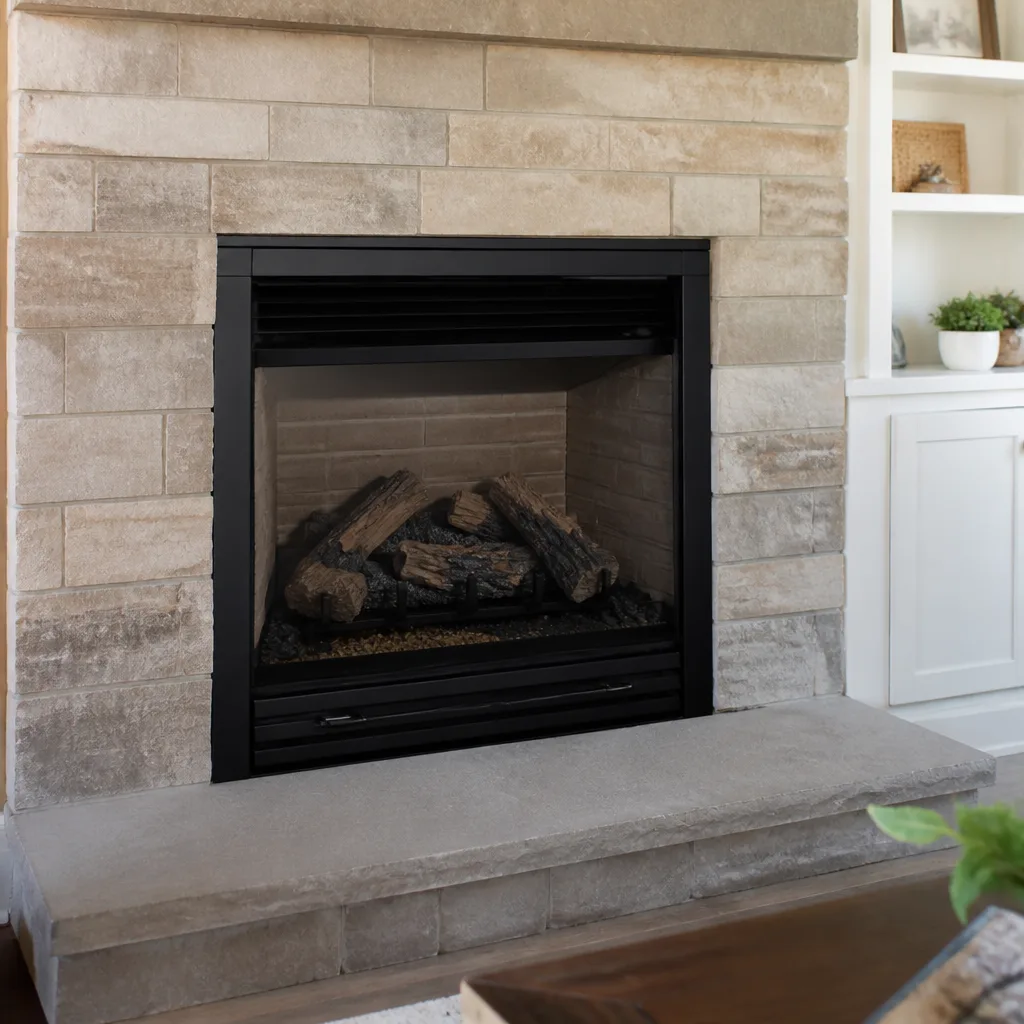 Gas fireplace service
Level 1 sweep and inspection to the NFPA 211 annual standard - flue, crown, cap, and flashing checked and photographed
Chimney sweep logs do not sweep chimneys. They loosen some creosote - which then falls where a brush and vacuum still have to collect it.
Chimney Cleaning Emergency Preparedness Guide for Mott Haven Homes
Most chimney problems in Mott Haven don’t announce themselves with flames shooting out of the roof. They start quieter: a low rumble, a sudden smell of creosote, smoke curling back into the room. The counterintuitive part is that the scariest-looking symptoms aren’t always the dangerous ones, and the ones that seem minor often point to real risk. This guide is built around preparation, not panic. You’ll learn how to recognize the three chimney emergencies that actually happen in this neighborhood, what to do in the first two minutes of each, and how a real inspection catches trouble before it becomes one.
Quick Answer
If you suspect a chimney fire, call 911 first, get everyone out, then notify your chimney professional. If you smell gas or feel dizzy with a fire burning, treat it as carbon monoxide: open a window, leave, and call 911. After any of these events, the chimney needs a professional inspection before the next fire. Preparation is the work you do now so that the first five minutes of an emergency are automatic.
Styles & brands we work with
- Sweep & inspection
- Caps & crowns
- Flue relining
- Masonry repair
- Gas fireplace service
Table of Contents
- How to Recognize an Active Chimney Fire
- The First Two Minutes: Immediate Actions
- Carbon Monoxide and Backdraft in Mott Haven Homes
- Where to Place Detectors Relative to Your Fireplace
- Self-Extinguished vs. FDNY Response
- Sudden Blockages and Smoke Rollout
- Post-Emergency Documentation
- Prevention Checklist for the Heating Season
How to Recognize an Active Chimney Fire
A chimney fire sounds like a low roar or a freight train running through your wall. By the time most homeowners identify what they’re hearing, roughly 90 seconds of a flue fire has already been enough to damage the liner. Sound is the most reliable early signal, and it’s the one people tend to explain away as wind, a draft, or a noisy furnace.
The signs fall into three categories. Watch, listen, and smell for all of them at once:
- Sound: A low roar, a rumble that doesn’t fade, a crackling that seems to come from inside the wall, or a whistling through the fireplace opening that wasn’t there before.
- Smell: A hot, sharp, almost burning-rubber creosote smell in the room or on the exterior side of the chimney. Strong, sudden smoke odor with the damper open is a warning sign.
- Sight: Dense dark smoke or sparks exiting the top of the chimney, puffy “huffing” smoke from the cap, glowing or discolored metal on a factory-built flue, a warped or popped-open damper, or hot-to-the-touch masonry on the exterior wall.
One more sign that gets ignored: a fireplace that suddenly drafts harder or pulls with a strange popping noise. That’s not the fire “getting going” – it’s a flue under pressure. Mott Haven homes with older brick chimneys and wood-burning inserts are especially prone to creosote buildup that can feed a fire quietly inside the flue. If you hear that roar, don’t investigate with a flashlight and a ladder. Treat it as an active chimney fire until proven otherwise.
The First Two Minutes: Immediate Actions
In the first two minutes of a suspected chimney fire, your job is to get people and pets outside, call 911, and avoid doing anything that could make it worse. No heroics, no water on the roof, no running inside to grab things. The sequence below is what we walk Mott Haven homeowners through during an inspection so it’s already second nature before it’s ever needed.
- Alert everyone and get out. Rouse every person in the house, grab pets if it’s quick, and exit. A chimney fire can spread to the roof, attic, or adjacent framing with very little warning.
- Call 911 from outside. Tell the operator you suspect a chimney fire and give the address clearly. FDNY will determine whether it’s active or already extinguished.
- Close the fireplace doors or screen, and the damper if you can safely reach it. Limiting air slows the fire. Never reach into a hot firebox.
- Don’t throw water down the flue or onto the roof. Water on a hot masonry chimney can crack liners and masonry, and water on a metal flue can cause warping.
- If you have a chimney fire suppressant stick, deploy it only if your fireplace is wood-burning and you’re already trained on it. If not, skip this step.
- Wait outside for FDNY and don’t re-enter until they’ve cleared the building.
The single biggest mistake in this sequence is trying to fight the fire before calling it in. A chimney fire isn’t a stove-top flare-up. It can burn inside the flue for a long time without obvious exterior signs, and the interior damage isn’t something a homeowner can assess.
Carbon Monoxide and Backdraft in Mott Haven Homes
Carbon monoxide is the chimney emergency that doesn’t look or sound like an emergency at all. It’s colorless and odorless, and it produces symptoms that look exactly like a bad cold or flu: headache, dizziness, nausea, confusion, and fatigue. In Mott Haven, where many homes have older chimneys and where townhouses and multi-family buildings place flues next to living spaces, backdraft and CO intrusion are real risks during heating season.
Backdraft happens when the chimney system pulls air the wrong way. Instead of smoke and combustion gases going up the flue, they come down the flue and into the room. Common causes we look for:
- A blocked or partially collapsed liner or blocked flue
- A cap that’s clogged with animal nests, leaves, or debris
- A chimney that’s too short for the building or that sits in a pressure zone created by nearby structures
- Negative pressure inside the home from a strong bath or kitchen exhaust fan, tight windows, or a modern boiler that pulls combustion air from the same space
- A cold flue that hasn’t warmed up enough to establish draft
- Cracks in the flue, liner joints, or masonry that let gases escape into the wall cavity or living space
If anyone in the home develops a headache or dizziness while a fire is burning, or if you smell an unfamiliar sharp or gassy odor, open a window, get everyone outside, and call 911. Don’t assume you can “air it out” and relight. A CO event means the system failed in a way that only a professional inspection can find.
Where to Place Detectors Relative to Your Fireplace
Smoke and carbon monoxide detectors should be positioned so that a chimney-system leak is caught before it fills a room. Proximity to the fireplace alone isn’t enough – placement matters more than most homeowners realize. In Mott Haven homes, where chimneys often run through interior walls and fireplaces sit in living spaces that connect to bedrooms, the wrong detector layout can delay the alarm that matters most.
Here’s what we recommend:
- Carbon monoxide detector outside each sleeping area, on every level of the home. This is also what most local code enforcement expects for dwellings.
- An additional CO detector in the room with a wood-burning fireplace or gas appliance, mounted at roughly knee-to-waist height – CO mixes with room air, and detectors mounted high near the ceiling can lag.
- A smoke detector inside each bedroom and in the hallway outside, with at least one on the same floor as the fireplace.
- Avoid mounting detectors directly above the fireplace or in the immediate draft zone – nuisance alarms from smoke rollout cause people to disconnect them.
- Test every detector monthly and replace batteries on a schedule you’ll actually remember. Detectors have a service life stamped on the back; respect it.
If your home has no CO detector near the fireplace, that’s the single fastest preparedness upgrade you can make. It costs less than an inspection and it catches the failure mode that has no smell and no sound.
Self-Extinguished vs. FDNY Response
Some chimney fires go out on their own as fuel in the flue burns down. That doesn’t mean the chimney is fine, and it doesn’t mean you shouldn’t call 911. Call either way, and have the system inspected before the next fire regardless of how the event resolved. A self-extinguished fire is not a pass.
Here’s how the two scenarios differ in practical terms:
- Self-extinguished: The roaring sound fades, smoke clears, and things feel normal after 10-30 minutes. But the flue liner has likely been exposed to extreme heat. Metal liners can warp and separate at seams. Clay tile liners can crack. Masonry can spall. Any of these opens a path for CO to enter the living space at the next fire.
- Active when FDNY arrives: Firefighters will typically inspect the flue with thermal imaging, confirm the fire is out, and may apply suppressant from the top or from the firebox. They determine structural safety for immediate occupancy, but they don’t clear the chimney for future use. That’s a separate step.
Either way, the rule is the same: call 911 first, then book an inspection before the next fire. We’ve seen Mott Haven homeowners relight a fire days after a small chimney fire because “it seemed fine.” The liner damage that precedes a structural fire doesn’t announce itself before the next burn.
Sudden Blockages and Smoke Rollout
When smoke rolls out of the fireplace opening into the room instead of going up the flue, the cause is almost always a sudden blockage or a sudden loss of draft. In Mott Haven, the three most common causes are animal entry through an uncapped or failed cap, a chunk of cracked liner or masonry that’s fallen and narrowed the flue, and a cap failure that lets debris in from above.
The immediate mitigation steps:
- Open the nearest window a few inches. This relieves slight negative pressure and often reduces rollout immediately.
- Open the damper fully and check that it’s actually open. Dampers stick. Verify the handle position.
- Don’t add more fuel. Let the fire burn down. If smoke continues to roll out, extinguish the fire with a proper fire extinguisher rated for the fuel and call 911 if it’s spreading.
- Get everyone out if the smoke is thick or anyone feels unwell. Smoke inhalation is the real risk here, not the mess.
- Don’t relight until the blockage is cleared and the flue is inspected. A partial blockage can look clear from the firebox and still be closed off higher up.
Once the fire is out, the fix depends on what’s in the flue. A bird or squirrel nest requires removing the obstruction and installing or repairing a cap – Gelco caps are a common choice for this. A collapsed liner section requires more than a sweep; it requires looking at the liner as a system, which is where HeatShield resurfacing or a new DuraFlex liner may come into the conversation. Either way, the sequence is inspect first, recommend second.
Post-Emergency Documentation
What you photograph and what you leave alone in the hours after a chimney emergency affects both your insurance claim and the accuracy of the inspection that follows. The rule is simple: document from outside the firebox, don’t disturb anything, and photograph before anyone cleans.
Take clear, well-lit photos of:
- The exterior of the chimney from ground level and from any safe upper vantage point (roof access only if you’re certain it’s safe – otherwise don’t)
- The top of the chimney and cap area, if visible from a window or from across the street
- The fireplace opening, hearth, and mantel, including any soot patterns on the face
- The damper in its current position
- Any smoke staining on walls, ceiling, or furniture near the fireplace
- The exterior wall adjacent to the chimney, especially discoloration or heat damage
Don’t sweep, scrub, or move the logs. Don’t remove the cap. Don’t try to clear debris out of the firebox. A chimney specialist needs to see the system as it failed, not as it looks after cleanup. If the fire department responded, get the incident report number and keep the documentation they left with you.
Prevention Checklist for the Heating Season
Every chimney emergency in this guide is preventable with the right preparation before heating season starts. Mott Haven’s housing stock includes a lot of prewar brick chimneys, and the seasonal shift from humid summers to cold, wet winters is hard on masonry. Moisture, heat, and time are hard on masonry – here’s what we look for, and what you should check for too.
The annual preparation checklist:
- Book an annual inspection before the first fire. The National Fire Protection Association’s NFPA 211 standard is the reference we work to, and it’s also what insurance documentation typically expects.
- Schedule a sweep if the inspection shows buildup. Creosote accumulates faster than most homeowners expect. An annual chimney sweep keeps the flue clear.
- Verify the cap is intact and properly sized. A missing or damaged cap is the number one entry point for animals, rain, and debris. Installing a proper chimney cap & crown is the single most effective moisture-prevention step.
- Check the crown for cracks. A cracked crown lets water into the masonry, which freezes and spalls in cold weather.
- Test every smoke and CO detector. Replace batteries and respect detector service life.
- Have the flue camera-inspected. A camera inspection finds liner cracks, gaps, and partial blockages that a visual check from the firebox can’t see.
- Have any masonry or liner issue repaired before the season starts. If the inspection finds spalling brick, crumbling mortar joints, or a cracked liner, chimney repair is a fall job, not a winter emergency.
Common Mistakes to Avoid
- Assuming a chimney fire is “out” because the roaring stopped. The fire may be out, but the liner may be compromised. The next fire is what tests it, and that’s the wrong time to find out.
- Relighting without an inspection. A post-fire inspection isn’t optional. It’s the step that tells you whether the system can safely be used, and it’s also the documentation your insurance may need.
- Running the fireplace with a missing or damaged cap. In Mott Haven, squirrels, birds, and raccoons routinely enter uncapped flues. A $0 fix (capping it) prevents a multi-thousand-dollar blockage repair.
- Mounting the CO detector at ceiling height directly above the fireplace. It’ll either misfire constantly or catch the leak too late. Waist-to-chest height in the same room is a better starting position.
- Cleaning off soot before an inspection. Photos taken before cleanup are the evidence the specialist and the insurer need. Cleanup is the last step, not the first.
- Ignoring a persistent cold-draft smell. A cold fireplace that smells like smoke or creosote all winter is signaling poor draft or a leak. That’s a diagnostic sign, not a decorative quirk.
- Hiring a sweep-only company for a system that needs repairs. A sweep can clear a flue but usually can’t diagnose a liner. If your inspection turns up damage, having the same team handle repair means no second contractor, no scheduling gap. Chimney Sweep Mott Haven covers inspection, sweeping, cap and crown, chimney repair, and fireplace repair under one company.
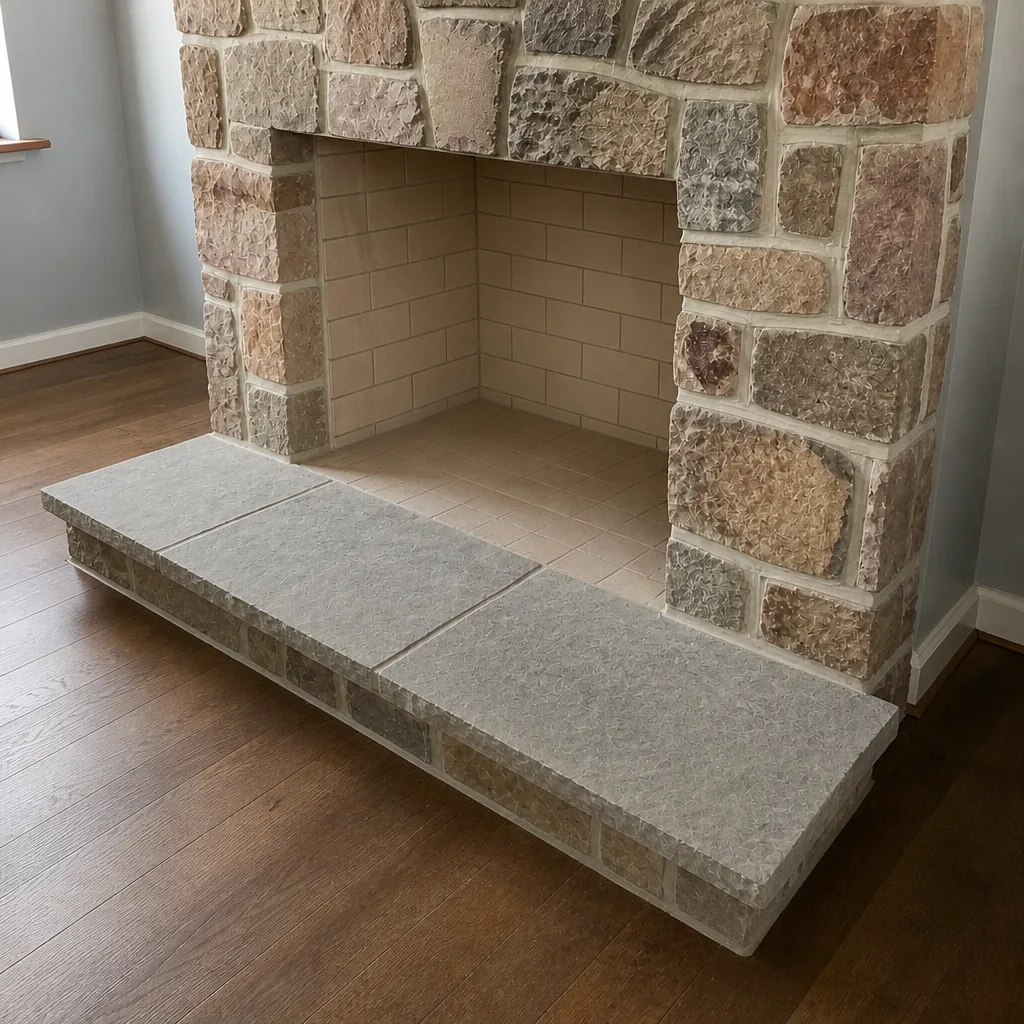
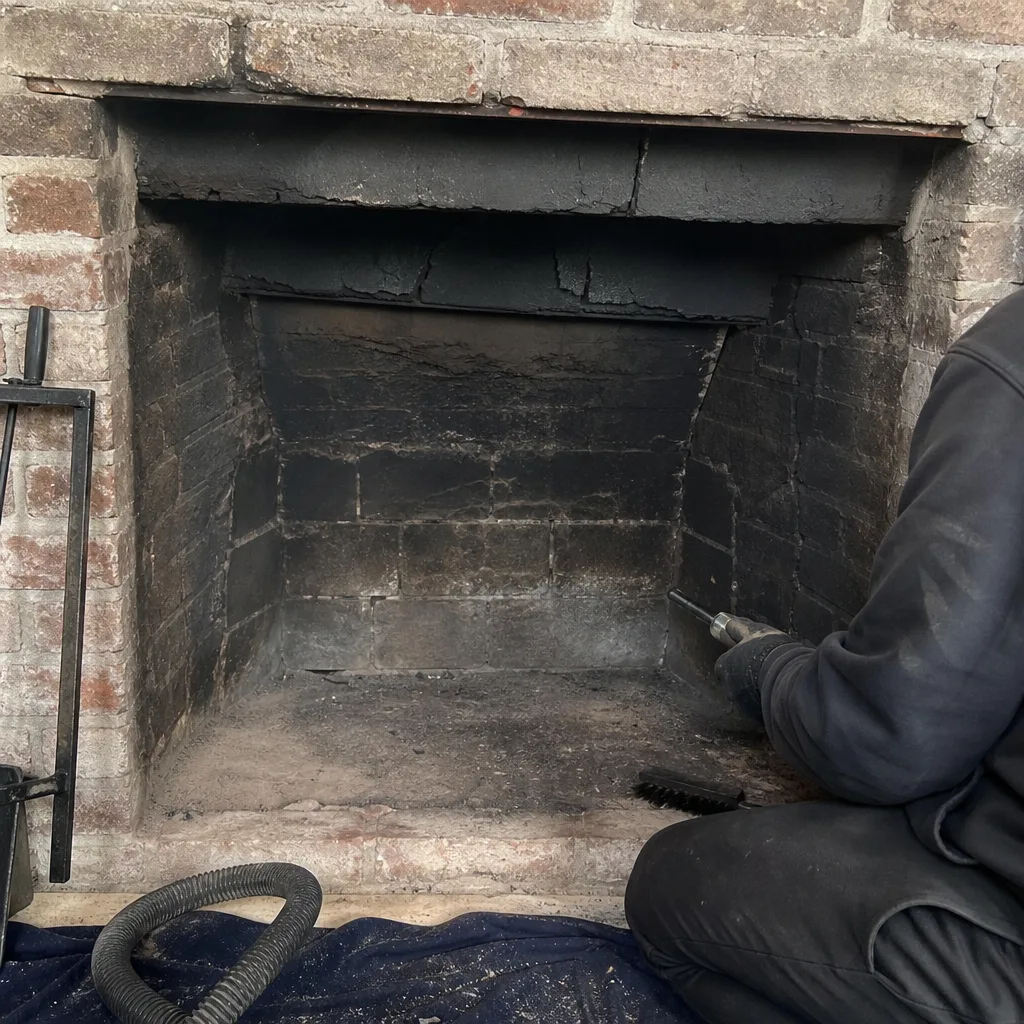
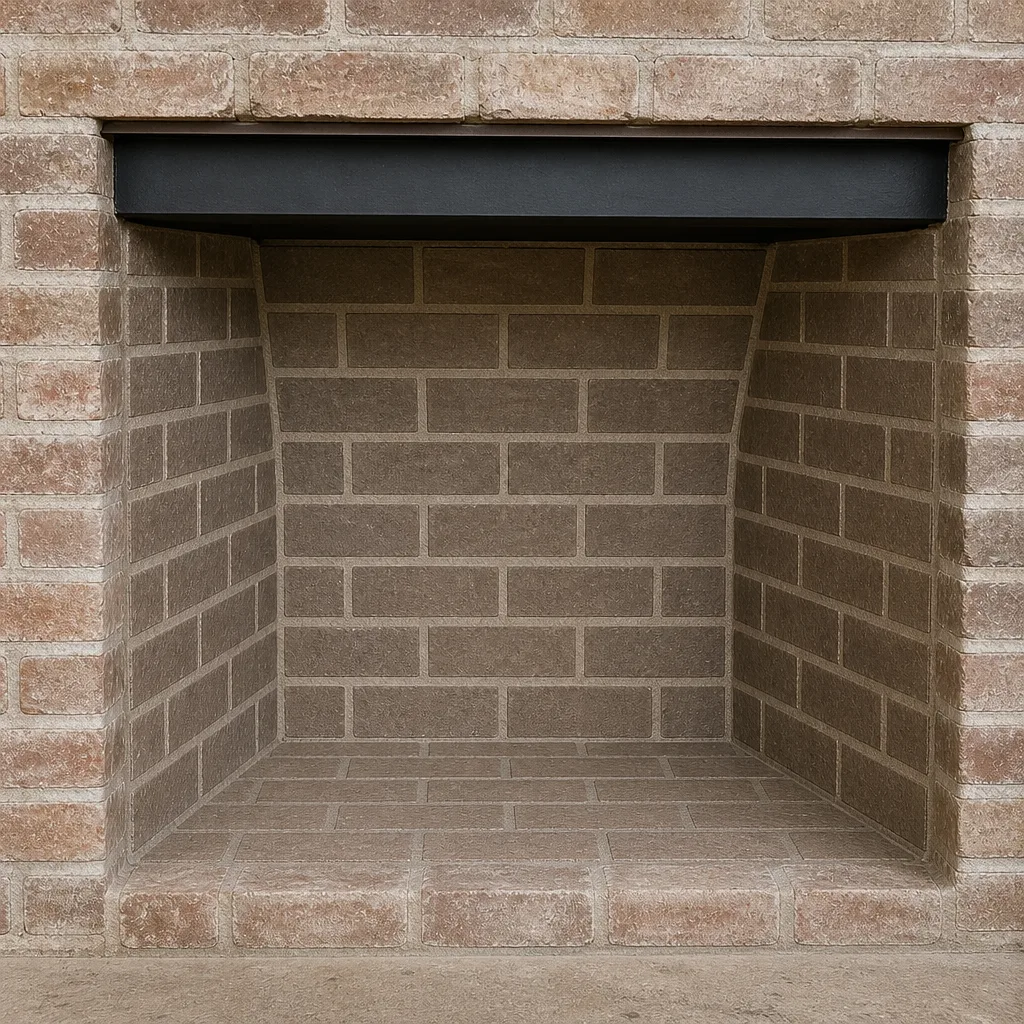
See the difference
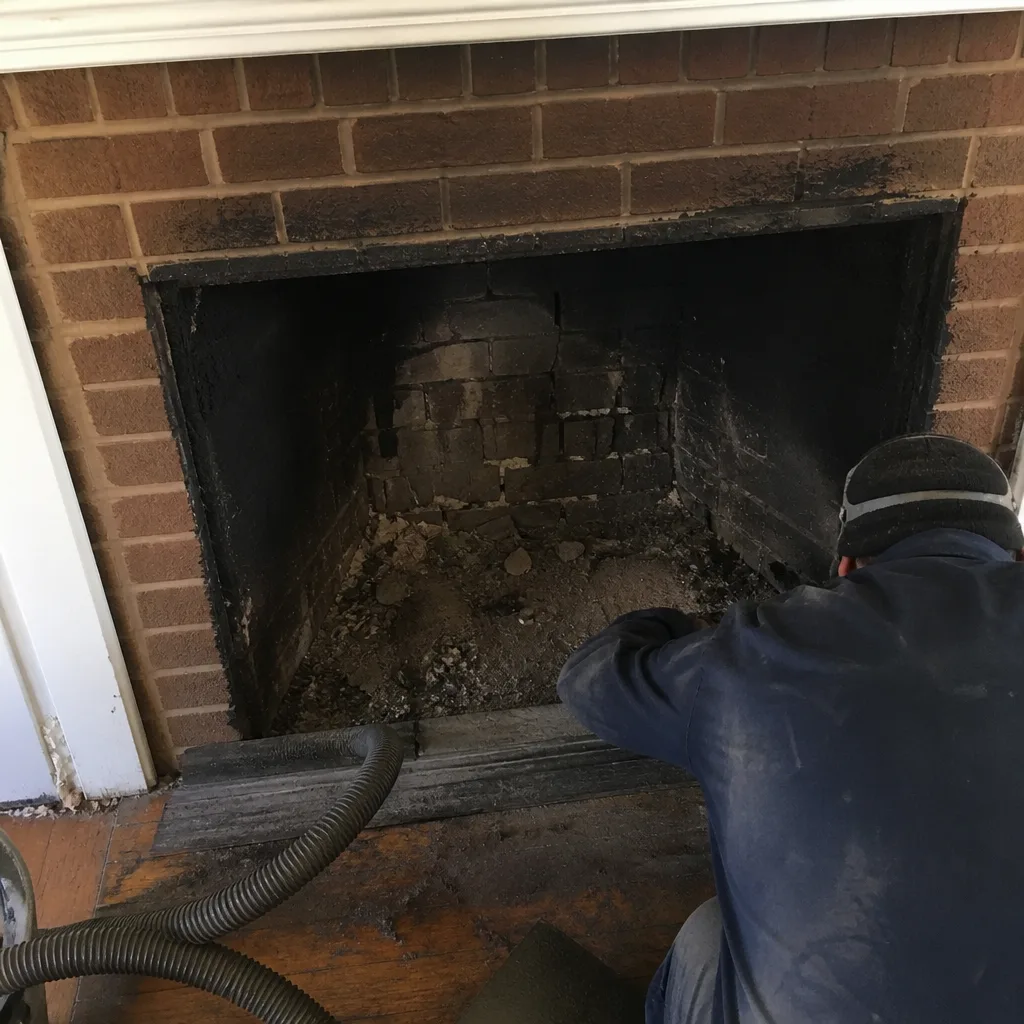 Before
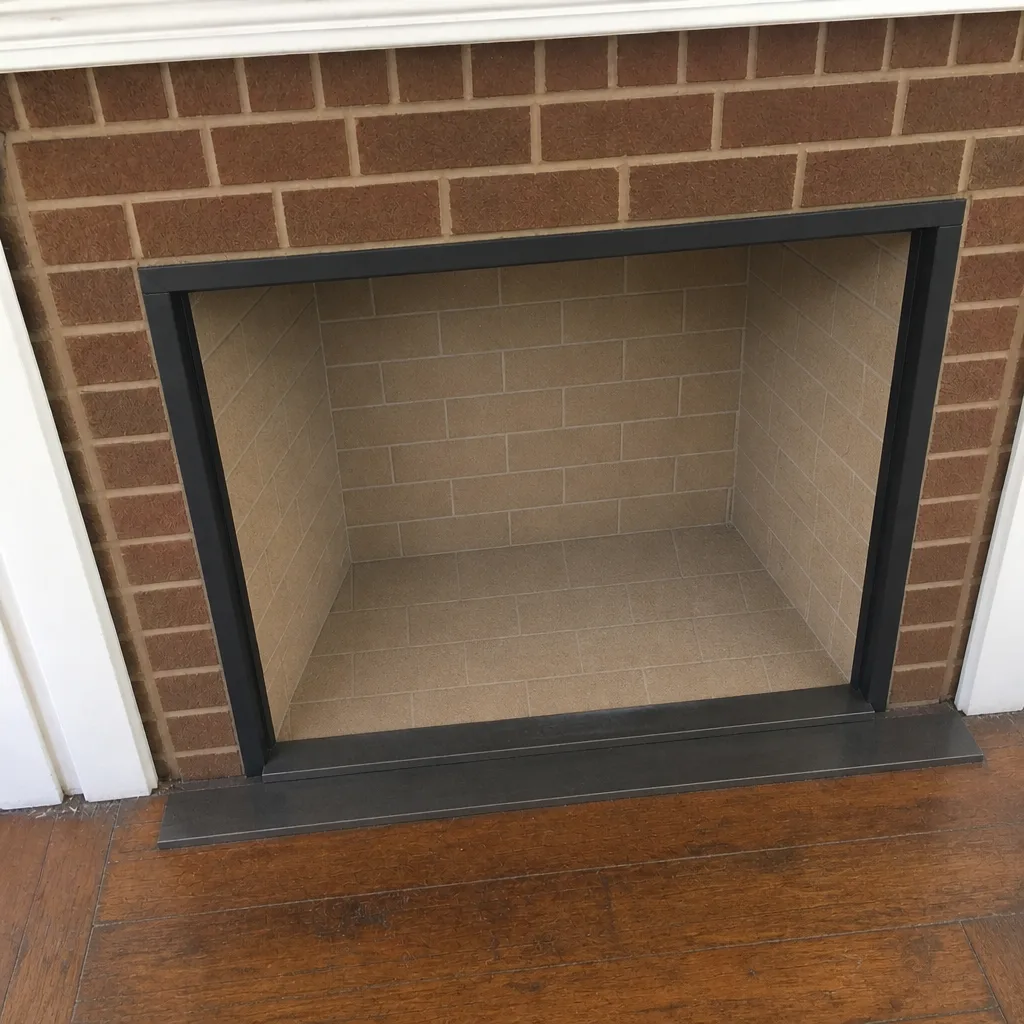 After
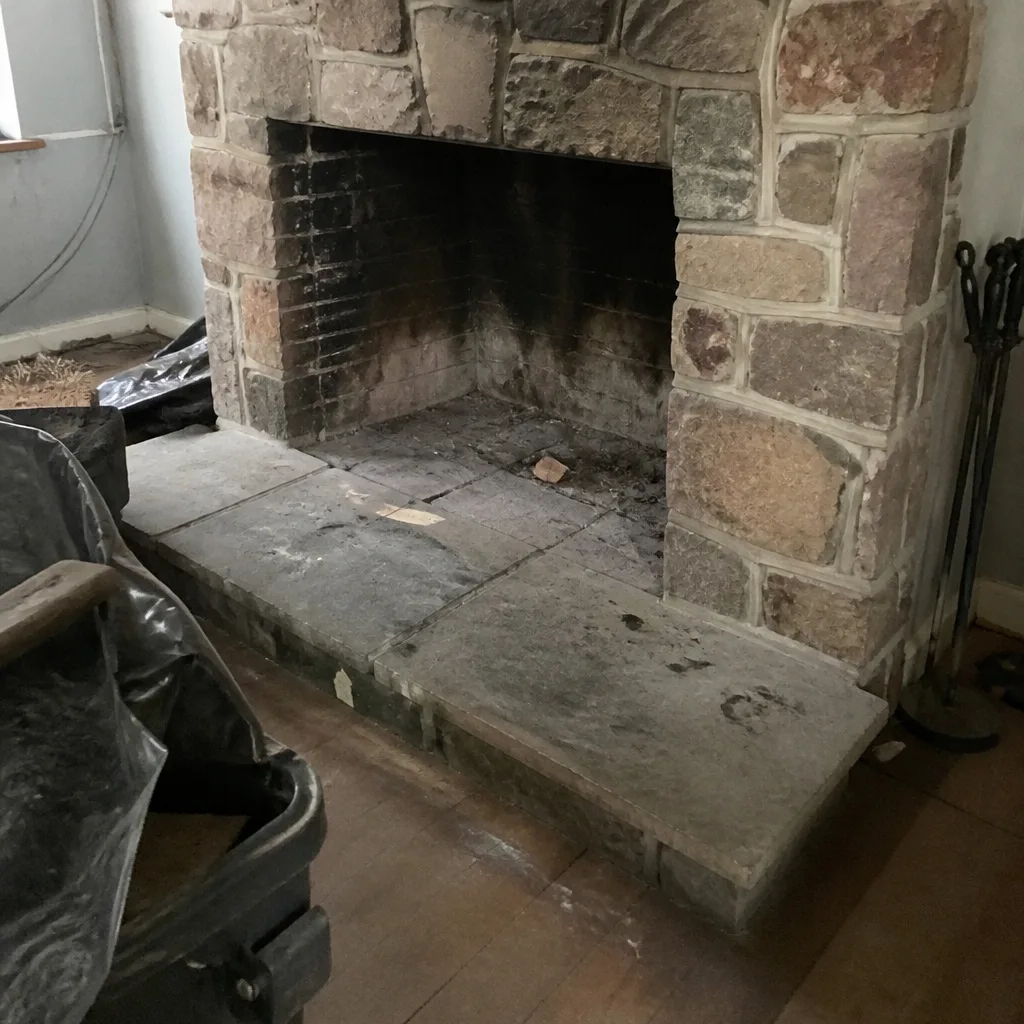 Before
 After
 Before
 After
When to Call a Professional
Call a chimney professional any time you’ve had a fire, a CO alarm, smoke rollout, a cap failure, or a strange smell you can’t explain. Call before your first fire of the season if the chimney hasn’t been inspected in the last year, and call right away if you notice water stains on the ceiling near the chimney, crumbling mortar, or a loose cap. Also call if your home inspection report flagged chimney items that haven’t been addressed. You don’t need to guess whether an issue is “serious enough” – that’s what the inspection is for. Chimney Sweep Mott Haven offers free estimates in Mott Haven – call (855) 726-7555. We answer 24/7, with fast dispatch from 7am to 7pm, Sunday through Friday.
Frequently Asked Questions
Get everyone out of the house and call 911. A roaring, rumbling sound is the classic sign of an active chimney fire. Don’t investigate with a flashlight, don’t try to extinguish the fire yourself, and don’t relight it after the noise stops without a professional inspection. Call (855) 726-7555 after FDNY has cleared the building – we answer 24/7 and book inspections starting the next dispatch window.
Yes. A fire that self-extinguished can still have damaged the liner through extreme heat, and the damage is often invisible from the firebox. The inspection is what confirms the flue is safe to use again. It’s also the documentation your insurer may request. Call Chimney Sweep Mott Haven for a post-fire inspection – estimates are free.
You can’t detect CO without a working detector – it’s colorless and odorless. If anyone in the home develops a headache, dizziness, or nausea while a fire is burning, treat it as a CO event: open a window, get everyone outside, and call 911. After that, an inspection is what finds the cause – backdraft, a blocked flue, a cracked liner, or negative pressure in the home. Install a CO detector in the fireplace room now if you don’t have one.
Open the nearest window a few inches, verify the damper is fully open, and let the fire burn down without adding fuel. If smoke continues or anyone feels unwell, leave and call 911. Afterward, the flue needs to be inspected for a blockage – animal nesting, collapsed liner debris, or a failed cap are the usual causes. Call (855) 726-7555 to book an inspection; we’ll camera-inspect the flue and show you what we find.
Yes, photograph the exterior of the chimney, the fireplace opening, the damper, and any smoke staining before cleaning anything. Don’t sweep, scrub, or move logs. A chimney specialist needs to see the system as it failed, and your insurer may want the photos too. The Chimney Sweep Mott Haven team can walk you through what to capture.
An inspection every year, and a sweep whenever the inspection shows enough creosote buildup to warrant it. Wood-burning fireplaces used regularly typically need an annual sweep; gas appliances need the inspection but often don’t need a sweep as frequently. Booked before heating season is the safest timing. Call (855) 726-7555 for a free estimate on inspection and sweep.
The Bottom Line
Chimney emergencies in Mott Haven follow patterns you can prepare for. A chimney fire announces itself with sound, smell, and visible signs – call 911 and get out first, inspect before the next fire regardless of how it resolved. CO events don’t announce themselves, so the detector placement in your fireplace room matters more than almost anything else. Blockages show up as smoke rollout and usually start with a missing or failed cap. And after any event, documentation happens before cleanup. Our technicians have up to 14 years of experience working on Mott Haven chimney systems with professional-grade materials from DuraFlex, HeatShield, Gelco, and Copperfield. If you’ve had a chimney scare, a recent inspection report, or you just want to know the current condition of your system before the season starts, call (855) 726-7555 for a free estimate. We answer 24/7, with fast dispatch from 7am to 7pm, Sunday through Friday. Inspect first, recommend second – and from sweep to repair in one call.
Written by the team at Chimney Sweep Mott Haven.