
Last updated November 25, 2026
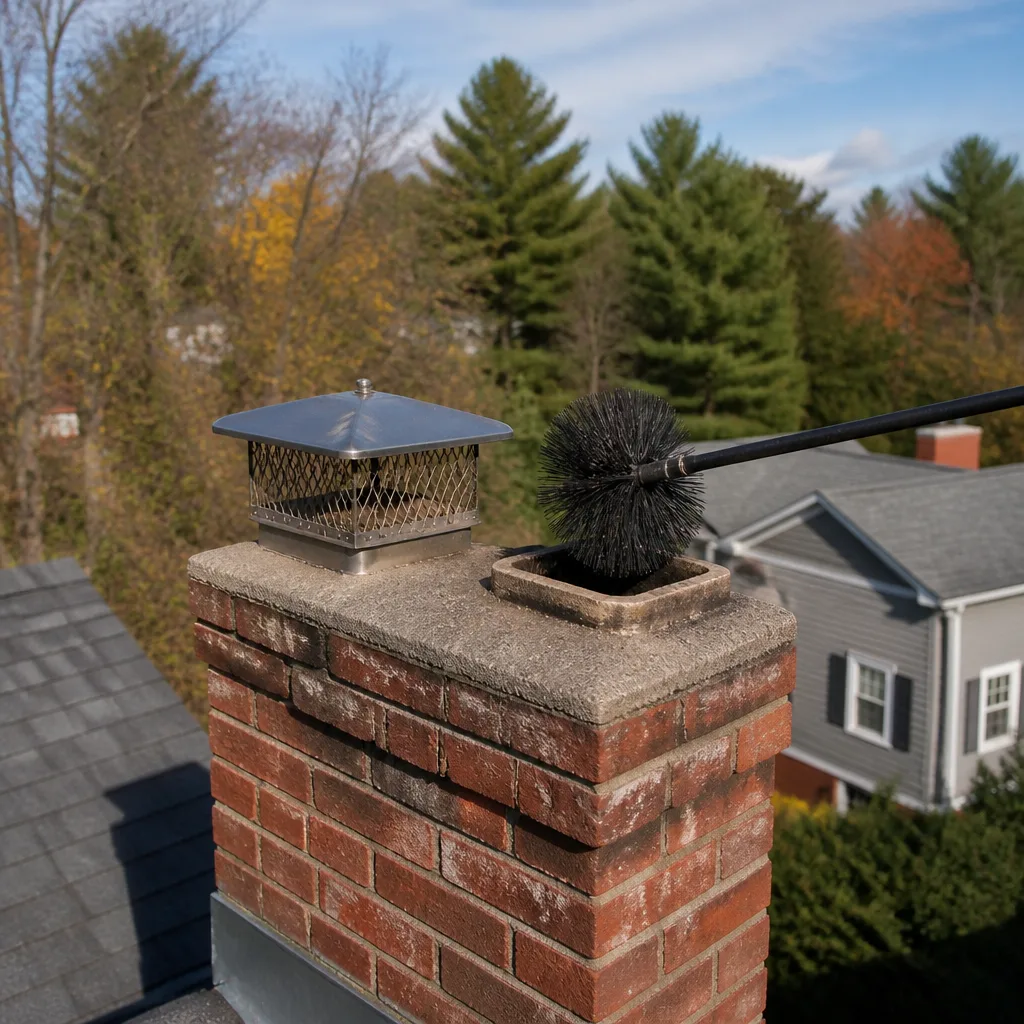 Sweep & inspection
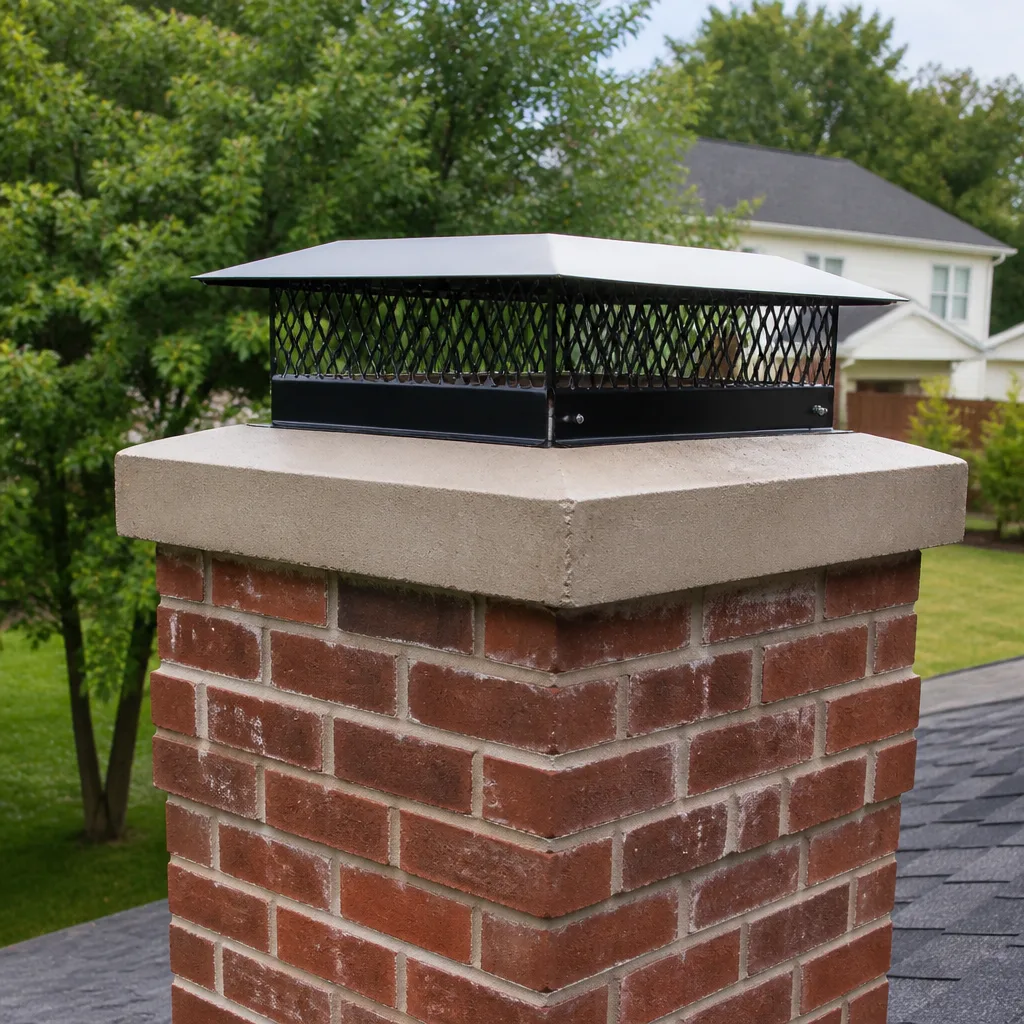 Caps & crowns
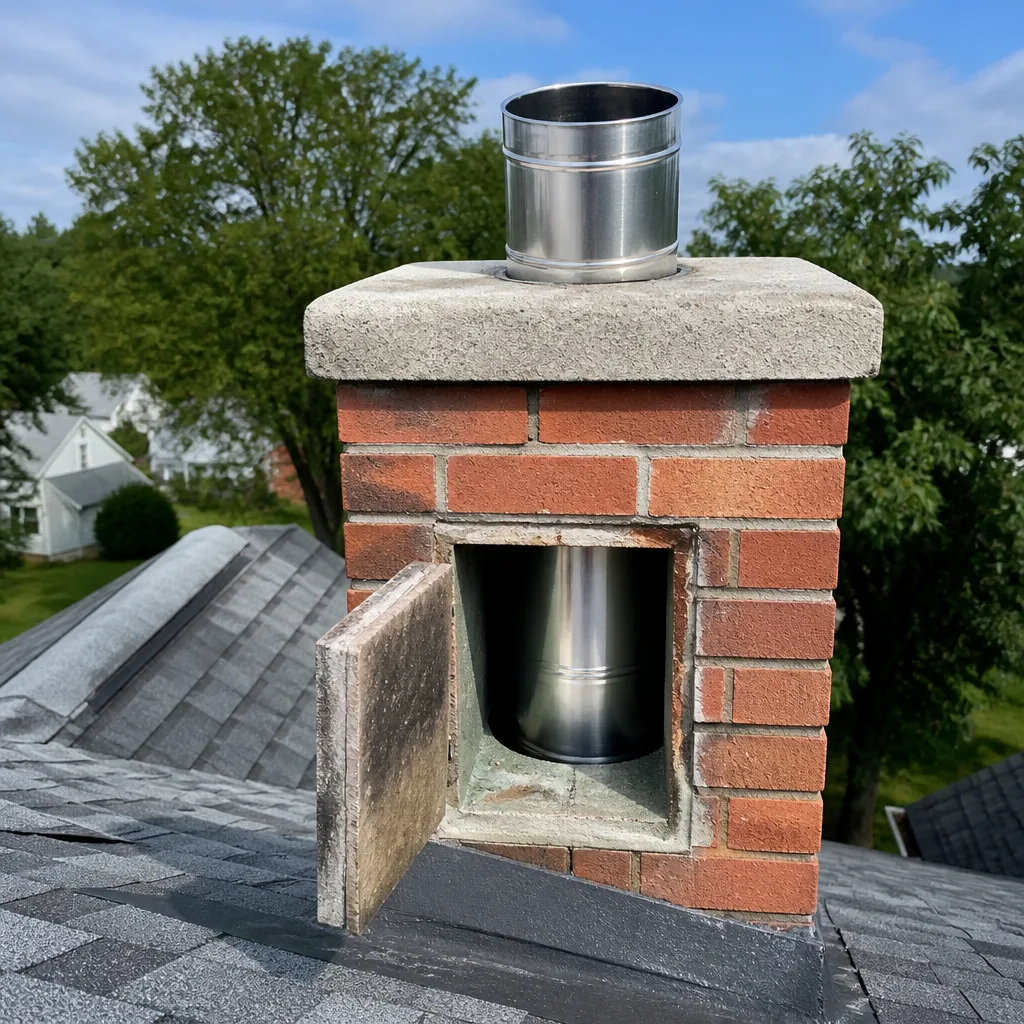 Flue relining
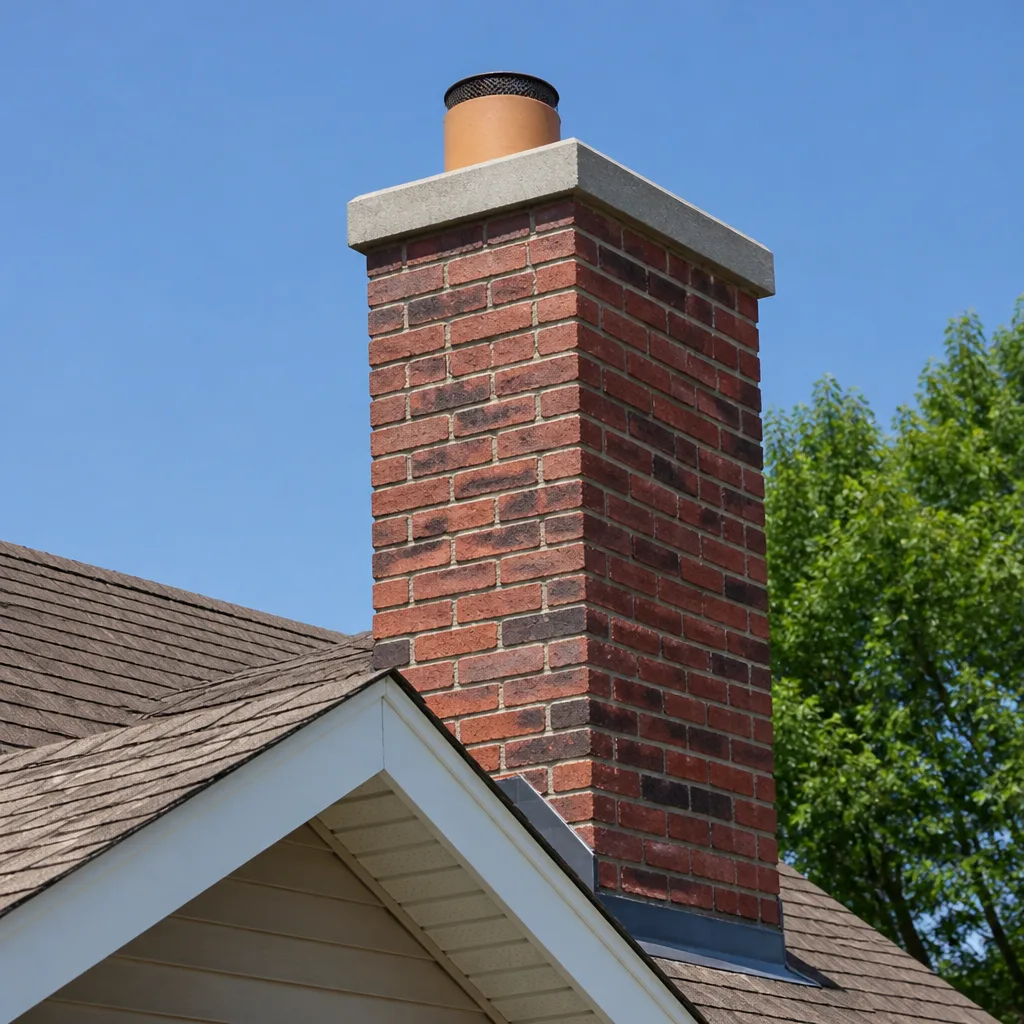 Masonry repair
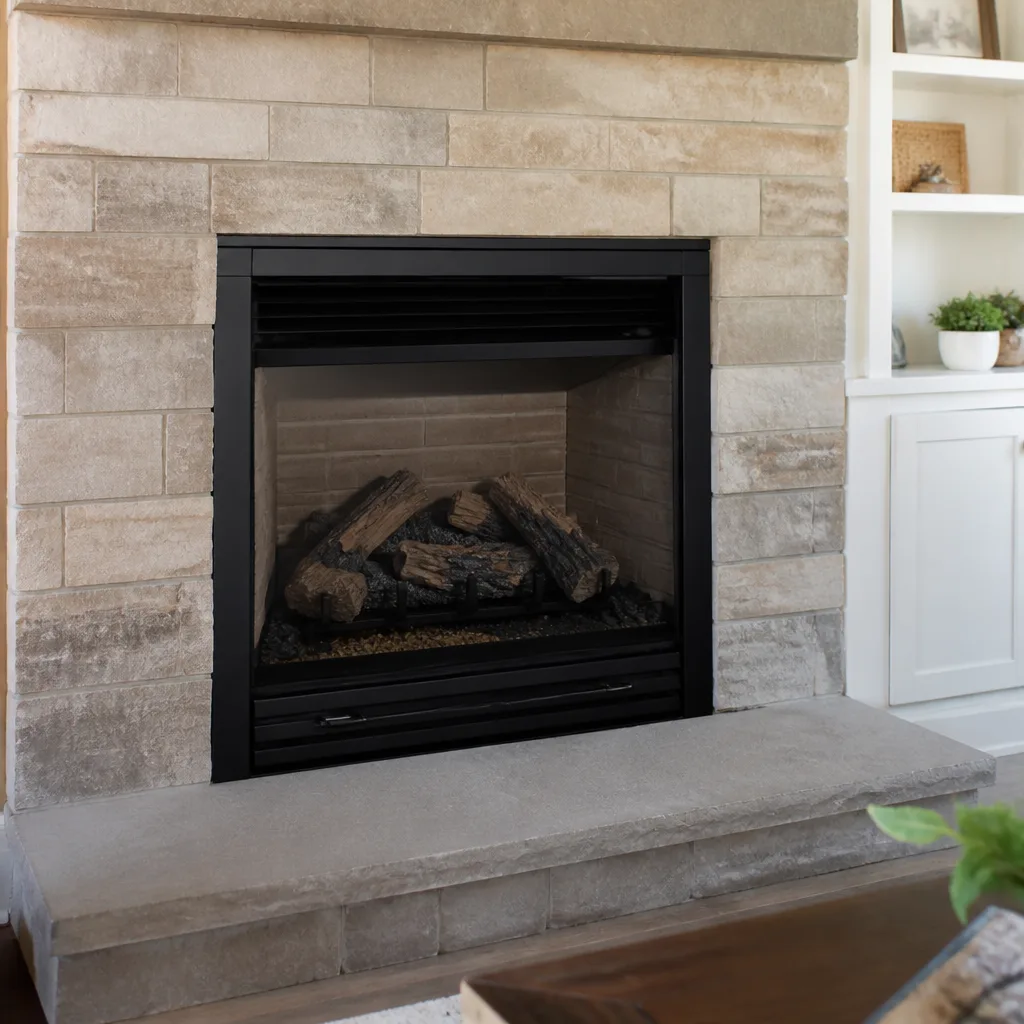 Gas fireplace service
Level 1 sweep and inspection to the NFPA 211 annual standard - flue, crown, cap, and flashing checked and photographed
Chimney sweep logs do not sweep chimneys. They loosen some creosote - which then falls where a brush and vacuum still have to collect it.
Chimney Cleaning Cost Breakdown: The Mott Haven Homeowner’s Reference for 2026
The $89 chimney cleaning coupon in your mailbox is not a chimney cleaning. It’s a firebox vacuuming with a brush, delivered by someone who may never climb onto the roof, may never run a camera up the flue, and will hand you no written report when the work is done. The price looks like a bargain because the scope was never in it. Mott Haven has more than its share of narrow rowhouse flues, old masonry stacks, and wood-burning fireplaces in buildings that have been converted, subdivided, and altered many times over the decades. Comparing quotes without knowing what each price covers is how homeowners end up paying twice. This guide breaks down what each part of a chimney cleaning actually costs, what moves the number up or down, and how to read a written quote so you can tell the difference between a fair price and a missed scope.
Quick Answer
A standard Level 1 chimney cleaning in Mott Haven typically runs $175 to $325 when it includes a camera inspection, a written report, and the flue swept top to bottom. Quotes below $125 usually leave out the inspection or the report, and quotes above $450 for a single standard flue usually include services you may not need. The written estimate, prepared after the inspection, sets the final price.
Styles & brands we work with
- Sweep & inspection
- Caps & crowns
- Flue relining
- Masonry repair
- Gas fireplace service
Table of Contents
- What a standard cleaning should include in Mott Haven
- What drives the price up or down
- How to read a quote without getting fooled
- Cost ranges for the services that often follow a cleaning
- Creosote stages and why they change the price
- What you’re actually paying for: line-item glossary
- Urgency, off-season pricing, and inflated quotes
- Why inspection comes before any recommendation
What a standard cleaning should include in Mott Haven
A standard Level 1 chimney cleaning covers the firebox, the damper area, the smoke chamber, and the full length of the flue up to the cap. It includes a visual inspection of accessible components, a camera check of the flue interior, and a written report you keep. Anything short of that is not a cleaning. It’s a surface sweep.
Mott Haven sits in a stretch of the Bronx where rowhouses and older apartment buildings sit side by side, and the chimney systems reflect that mix. A wood-burning fireplace in a three-story rowhouse may have a flue that runs the full height of the building. A gas fireplace in a converted unit may share a flue with another appliance. Both need a proper inspection before anyone picks up a brush. Our technicians have up to 14 years of experience, and most of that time has gone into figuring out what a flue is actually doing, not just how much soot is on it.
Here is what a properly scoped Mott Haven cleaning includes:
- Firebox and damper cleaning. Ash, soot, and debris removed from the firebox floor, walls, and damper assembly. The damper gets tested for smooth operation while it’s accessible.
- Smoke chamber and shelf. The area above the damper collects creosote at an angle a brush alone doesn’t reach. A standard cleaning addresses it.
- Flue sweep. The full length of the flue swept with the appropriate brush for the liner material. Clay tile, stainless, and cast-in-place liners each need a different brush. A wire brush on a stainless liner is the wrong tool, and a soft poly brush on a heavily glazed clay flue won’t cut the creosote.
- Camera inspection. A camera run up the flue to see what the brush couldn’t. Cracks, gaps in the mortar joints, offset flues, bird nests, and disconnected liner sections show up on camera and not on a visual look from the firebox.
- Written report with photos. This is the document you keep for insurance, for a future sale, and for your own reference next year. A quote that doesn’t mention a written report isn’t offering one.
- Roof-level check. The cap, the crown, the flashing, and the top of the flue. These are the components that fail first, and a cleaning that never gets onto the roof can’t see them.
When a company quotes a price, the written service description should name each of these. If it doesn’t, ask which item is missing before you compare the number to anything else. Our chimney sweep service follows this scope by default, because a cleaning without an inspection is a phone call we’d be making again next season.
What drives the price up or down
Two Mott Haven chimneys of the same age can quote hundreds of dollars apart, and the reason usually isn’t the company. It’s the flue. Here’s what moves the price.
Chimney height and roof access
A chimney that rises three feet above a flat roof is quick work. A chimney on a pitched rowhouse roof, accessed by ladder, with a cap that has to be removed and reset, adds time and safety planning. Taller stacks mean longer brush runs, more camera cable, and a longer inspection. In Mott Haven, rowhouse chimneys that run the full building height are the norm, and they’re rarely the cheap end of the range.
Flue diameter and liner material
A six-inch round stainless liner sweeps cleanly and quickly. A flue with an oval liner, an offset, or a rectangular clay tile that has shifted needs more careful work. A flue that’s been relined with a system like DuraFlex has predictable geometry a technician can work with. A flue that hasn’t been touched since the building was converted may take twice the time to inspect, because the camera catches every odd joint and clay spall.
Creosote stage
Creosote comes in three stages, and the third stage costs more to remove. We cover this in its own section below, but the short version is that glazed creosote doesn’t come off with a standard brush. It has to be chemically treated or removed with a rotary tool, which adds a scope line to the estimate.
Add-on inspection level
A Level 1 inspection is part of the standard cleaning. A Level 2 inspection is more thorough: it includes the attic, crawlspace, and any accessible areas of the chimney exterior, and it’s the level typically called for when a property changes hands, when an appliance changes, or after a chimney fire or earthquake event. A Level 2 inspection adds to the price. If a home inspector flagged the chimney, ask for a Level 2 and expect the quote to reflect that scope.
Number of flues
A single fireplace has one flue. A building with a furnace, a water heater, and a fireplace may have three. Each flue is inspected and swept separately, and the price reflects that. Some quotes bury this line; a well-written one won’t.
In our experience working on chimney systems across Mott Haven and the surrounding Bronx blocks, the biggest single factor in a Mott Haven quote is flue condition, not square footage. A short chimney with a clean stainless liner will always be less work than a tall rowhouse stack with offset clay tile and a capped flue that hasn’t been touched in a decade.
How to read a quote without getting fooled
Before you compare two numbers, compare two scopes. A quote that doesn’t describe its scope isn’t a quote. It’s a price tag on work that hasn’t been defined.
- Ask for the written service description. Not the price, the description. It should name the firebox, the smoke chamber, the flue, the camera inspection, the roof check, and the written report. If any item is missing, the scope is missing.
- Ask whether the inspection is Level 1 or Level 2. If the company can’t tell you, they haven’t decided yet, and the number they gave you is a placeholder.
- Ask what happens if the camera finds a problem. A fair answer: you’ll get photos, a written explanation, and an estimate for the repair without pressure to book it that day. A bad answer involves a verbal upsell on the spot with no photo evidence.
- Ask whether the price includes the report. Some quotes exclude it, some charge separately, some don’t offer it at all. If it’s not in the written scope, it’s not coming.
- Ask for a sample of what the report looks like. A written report with photos and a clear description of what was found is the difference between a chimney cleaning and a mystery. Any company doing this work regularly will have a sample ready.
- Compare scope to scope, then price to price. Once every quote describes the same work, the price comparison means something. Until then, you’re comparing a brush and a vacuum to a full-system cleaning.
One more rule: ask for the quote in writing. A verbal number is a starting position. A written estimate, with the scope attached, is a commitment. If a company won’t put it in writing, the number will move once they’re on site. Our inspections align with NFPA 211 standards for safety and insurance documentation, and every written report comes with photos so you can look at what the camera saw.
Cost ranges for the services that often follow a cleaning
Most cleanings end with a report that says “clean, no repairs needed.” Some end with a repair list. Here are typical Mott Haven ranges for the work that most commonly comes out of an inspection. All are estimates. The written estimate after the inspection sets the final price for any scope.
| Service | Typical Mott Haven Range (Estimate) | What It Addresses |
|---|---|---|
| Chimney cap installation (Gelco, Olympia Chimney) | $275 – $650 | Rain, animals, sparks; the single most common cause of moisture damage |
| Crown repair or rebuild | $400 – $1,200 | Cracks and gaps at the top of the stack that let water into the masonry |
| Damper replacement (top-sealing or throat) | $350 – $850 | Lost heat, downdraft, and smoke backdraft when the damper won’t seal |
| Relining with a stainless system (DuraFlex, Olympia Chimney) | $2,400 – $6,500 | Cracked or missing clay tile, deteriorated flue, or an unlined flue |
| HeatShield ceramic liner resurfacing | $1,400 – $3,800 | Flues that are cracked or spalling but still structurally serviceable |
| Masonry repair at the stack | $600 – $3,000+ | Spalling brick, failed mortar joints, moisture damage from a bad crown or missing cap |
| Level 2 inspection (standalone) | $275 – $500 | Real estate transaction, appliance change, or post-fire evaluation |
The range on relining and masonry work is wide because the work itself is wide. A short flue on a one-story section is not the same job as a full-height rowhouse stack with offset tiles. HeatShield ceramic resurfacing is often a real alternative to full relining when the flue is cracked but not displaced, and it’s a non-invasive application that skips the demolition. That’s a conversation to have after the camera inspection, with the photos in front of you, not before.
The pattern worth noticing is that most of these add-ons trace back to two causes: water and a missing cap. A Gelco or Olympia Chimney cap costs less than masonry repair every time. Our chimney cap & crown service exists because that’s where the moisture damage starts, and stopping it early is the cheapest work in the entire scope.
Creosote stages and why they change the price
Creosote is the residue of incomplete combustion, and it shows up in three recognizable stages. The stage determines how much work the cleaning is, and how much the cleaning costs.
Stage 1: Soot and light flake
A fine, dusty, flaky coating that comes off with a standard poly brush. This is the normal state of a well-run fireplace that gets cleaned annually, and its removal is part of the standard cleaning price. No add-on.
Stage 2: Porous and crusty
The creosote has built up into a crust that clings to the liner. A brush removes most of it but a second pass is usually needed, and the flue gets more of the technician’s time. A standard cleaning still covers it, but the cleaning may take longer and the quote should reflect the flue’s actual condition if the technician saw it coming.
Stage 3: Glazed and hardened
The creosote has hardened into a shiny, tar-like coating that a brush alone will not remove. It has to be chemically treated to soften, then removed with a rotary tool, which is a separate scope line on the estimate. Stage 3 creosote is also the stage that raises fire risk the most, because it ignites at lower temperatures than the wood that produced it. This is the one cleaning line where the price floor genuinely moves, and a quote that offers to “sweep it all out” for a low flat rate without inspecting the flue first can’t know which stage it’s pricing.
We don’t know a Mott Haven flue’s creosote stage until we’ve run the camera. That’s not a sales tactic; it’s the honest sequence. Any chimney company that quotes a firm price without looking has either padded the number to cover the worst case or will be re-quoting on site.
What you’re actually paying for: line-item glossary
When the estimate arrives, a short glossary helps. Here’s what each line item should mean.
- Sweep fee. Labor for the firebox, smoke chamber, and flue brush work. The core of the cost.
- Inspection fee. Sometimes bundled into the sweep, sometimes a separate line. Bundled is normal for Level 1; a separate line is normal for Level 2.
- Report fee. Nearly always bundled. If it’s a separate line, look at what it delivers: photos, a description of each finding, and a recommendation section.
- Roof access charge. Sometimes a separate line on taller or steeply pitched roofs where ladder and fall protection planning take extra setup. Fair when disclosed; a red flag when it appears only on the invoice.
- Drop cloth and containment. The setup that keeps soot out of your living room. Should be included, not an add-on.
- Disposal fee. For the soot and debris removed. Small, normal, and worth seeing disclosed in advance.
- Repair estimate. What comes after the report, always free of pressure, always based on the camera photos you keep.
A written estimate from a reputable specialist will have most of these bundled into one or two lines. What matters is that the total scope is described, not that every line item has its own price. Ask for the scope in plain English and you’ll be able to read the number either way.
Urgency, off-season pricing, and inflated quotes
Chimney work does not have a rush-hour rate. The work takes the time it takes. When a quote jumps because a homeowner mentions that the flue smells or that they’re expecting company, that’s a price built on urgency, not scope. The honest response to urgency is an inspection and a written estimate, not a surcharge.
Off-season pricing is real in the trade, in the sense that demand drops between heating seasons. A cleaning booked in the warmer months is generally easier to schedule and the price can reflect the calmer calendar. That’s a market dynamic, not a company promotion. What it looks like in practice is simple: a written estimate that’s the same number before and after the technician looks at the flue. If the number changes once the technician arrives, ask what the camera found that the initial quote didn’t.
Here’s what a fair response to urgency looks like:
- You call, describe the problem, and get booked for an inspection. We answer 24/7. Fast dispatch from 7am to 7pm, Sunday through Friday.
- The technician inspects first, recommends second. Photos come back with the inspection. Nothing gets proposed that the camera didn’t see.
- The written estimate reflects the actual scope, not the tone of the phone call. Same price for the same work whether you booked on a calm Tuesday or after a flue smell made you nervous.
- You decide when to book. Some findings are worth acting on now. Others can safely wait until the next heating season. We’ll tell you which is which.
If a Mott Haven chimney is actively smoking into the room, that’s a different kind of call. It gets treated as a safety evaluation first, and the price reflects the inspection scope, not a premium for the fact that the phone rang on a cold evening. Call (855) 726-7555 for that. We answer 24/7.
Why inspection comes before any recommendation
Every dollar in this guide is downstream of one decision: inspect first, recommend second. The inspection is not a formality before the cleaning. It’s the whole reason the cleaning knows what to do.
Here’s the sequence a proper visit follows:
- Arrival and setup. Drop cloths, containment, and a walkthrough with you of what’s being worked on.
- Visual inspection of the firebox, damper, and accessible flue openings. Any component that’s reachable gets a look before the brush moves.
- Camera inspection of the flue. Full length, top to bottom, with stills and video captured for the report.
- Roof-level check. Cap, crown, flashing, and top of the flue.
- Sweep. Firebox, smoke chamber, and full flue, with the appropriate brush for the liner material.
- Re-camera if the sweep changed the picture. Sometimes the flue looks different after the creosote comes off. We look again.
- Written report delivered. Photos, findings, and a recommendation section with an itemized estimate for anything that needs work.
- Conversation, no pressure. You get the estimate in writing. You choose when to book, if at all.
This is what we mean when we say your chimney system is a system, not a dirty flue. The cap sits above the crown, the crown sheds water away from the masonry, the liner contains the heat, and the firebox holds the fire. Any one of them failing affects the others. Getting them all looked at by the same people who would do the repair work is the point behind a single-trade focus. A generalist handyman who sweeps chimneys on the side doesn’t see the system as a system, because chimneys aren’t what they do all week. Our chimney repair work happens on the same visit that produced the report, with no handoff to a second contractor.
The materials matter here too. Repair and installation work on a Mott Haven chimney should use professional-grade parts, not hardware-store substitutions. DuraFlex for stainless relining, HeatShield for ceramic resurfacing, Gelco and Olympia Chimney for caps, Famco for venting components. These are the brands commercial and institutional chimney contractors use. They’re not decorative upgrades. They’re the difference between a repair that lasts the life of the liner and a repair that’s back on the report in five years.
Common Mistakes to Avoid
- Buying on the coupon price alone. A low door price with no inspection attached isn’t a cleaning, it’s a firebox vacuum. Ask what’s included before you decide the number is competitive.
- Comparing quotes without comparing scope. A $175 quote that includes a camera inspection and a written report and a $99 quote that doesn’t are two different products. Read the descriptions before you look at the totals.
- Booking a cleaning before a home inspection report is reviewed. If a Mott Haven home inspector flagged the chimney, the right first call is a Level 2 inspection, not a standard cleaning. Getting the sequence backwards means paying twice.
- Skipping the annual visit because the fireplace burned “fine this season.” A fireplace can burn fine and still have a cracked liner or a failed joint hidden behind the firebox wall. The camera finds what a fire can’t show you.
- Letting a verbal repair recommendation stand without photos. If a technician says the flue needs relining, ask to see the camera stills. Any real relining recommendation has a specific photo attached to it.
- Ignoring the cap because the cap “looks fine from the ground.” You can’t see a cracked cap from the yard. Most moisture damage we find in Mott Haven starts at the cap, the crown, or a flashing detail a ground-level view never reaches.
- Treating an urgent-sounding call as a reason to skip the estimate. Urgency doesn’t change the scope. Insist on the written estimate, even if you booked on short notice.
See the difference
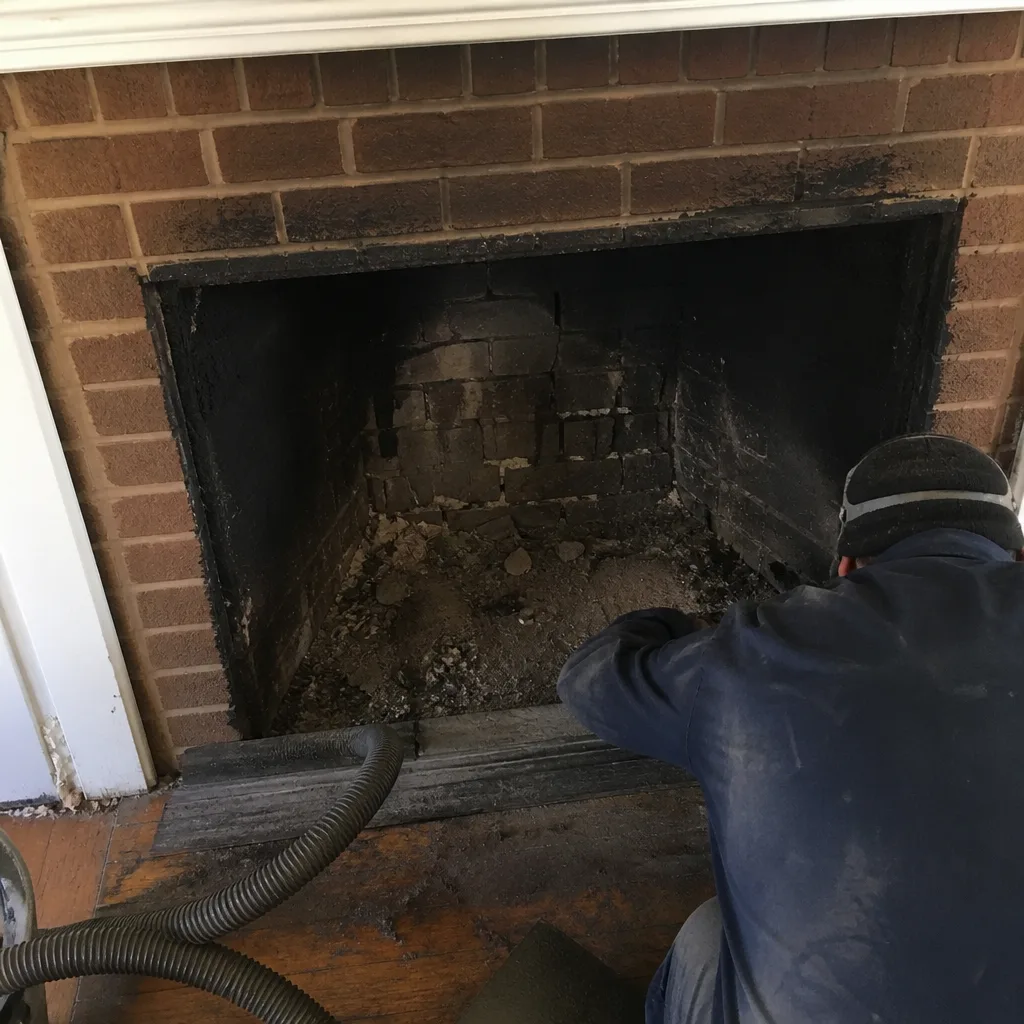 Before
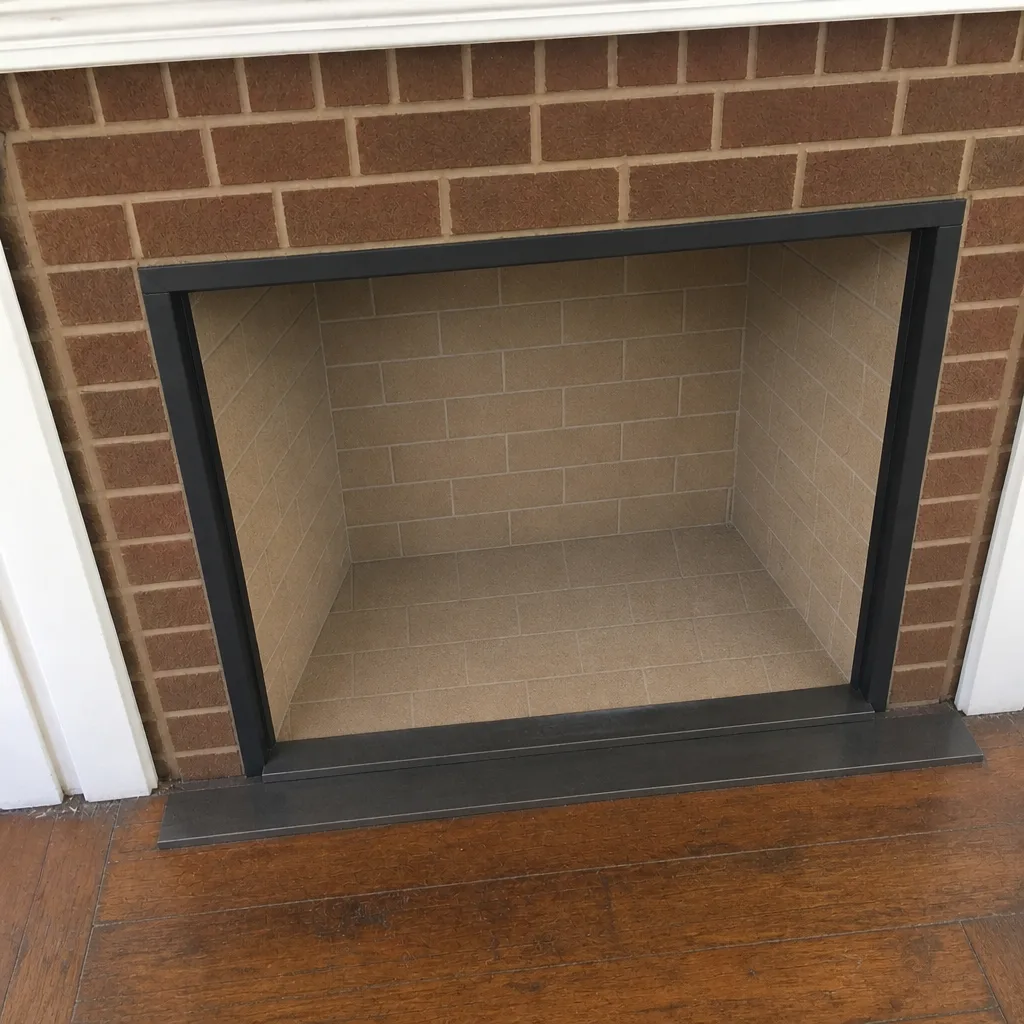 After
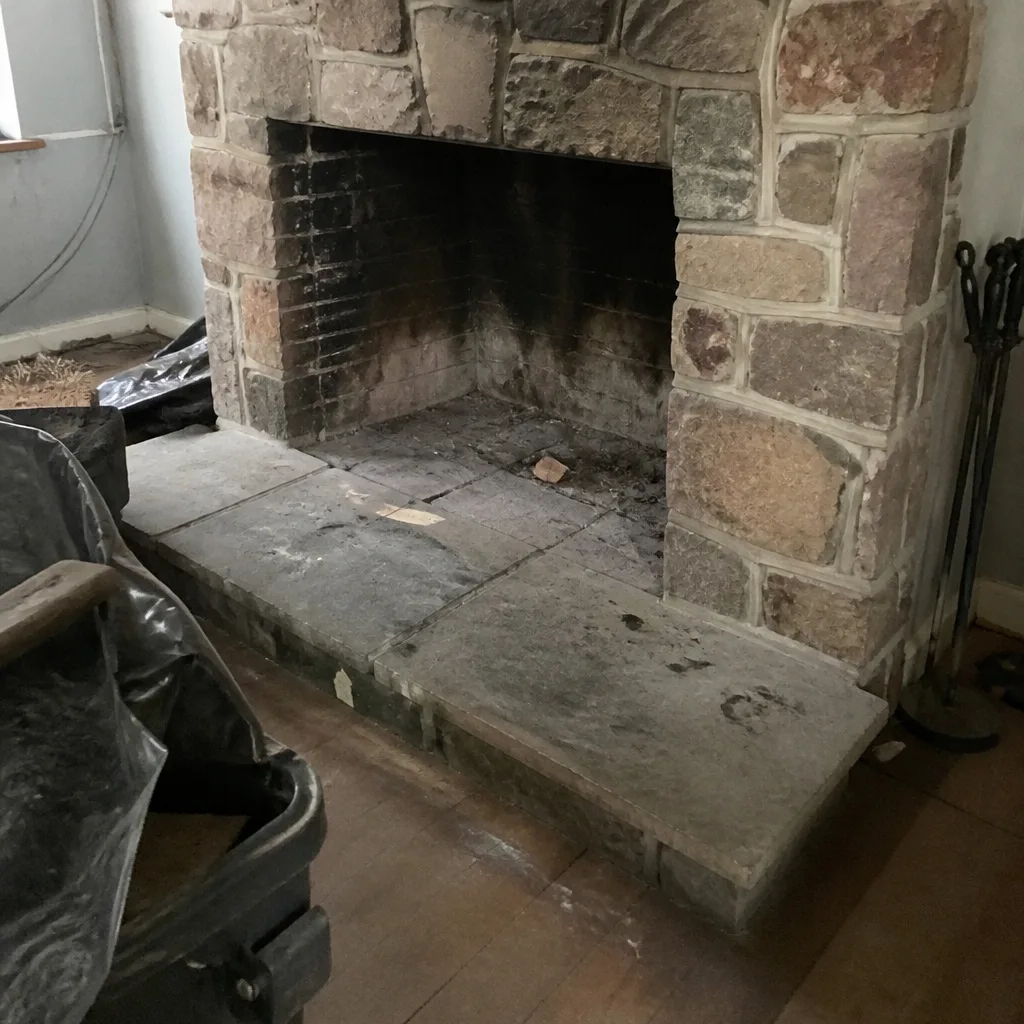 Before
 After
 Before
 After
When to Call a Professional
Call a professional before you burn again if any of these describes your Mott Haven chimney:
- The fireplace smokes into the room when you light it, or smells of smoke when it’s cold outside
- You’ve never had the flue inspected since you moved in, or you don’t know when it was last done
- A home inspector flagged the chimney on a recent report
- You’ve seen cracked or spalling brick, or crumbling mortar at the stack
- A chimney fire has happened at the property, even a small one
- You’re changing an appliance or converting from wood to gas (this one is a Level 2 inspection, not a cleaning)
- There’s a birds’ nest, animal activity, or visible water intrusion at the cap or crown
Chimney Sweep Mott Haven offers free estimates in Mott Haven. Call (855) 726-7555. We answer 24/7. Fast dispatch from 7am to 7pm, Sunday through Friday. The written estimate is the number. Nothing moves after that.
Frequently Asked Questions
A standard chimney cleaning in Mott Haven typically runs $175 to $325 when it includes the camera inspection, the written report, and the full flue sweep. Quotes below $125 usually leave out the inspection or the report. The written estimate after the inspection sets the final price. Call (855) 726-7555 for an exact quote. Estimates are free.
Yes. An annual inspection catches liner cracks, creosote buildup, and cap or crown damage while they’re still small. The inspection is also what informs any recommendation about repair: nothing gets proposed without camera evidence you can see. Our inspections align with NFPA 211 standards, and the written report is useful for insurance and for a future sale. Call (855) 726-7555 to book one.
The scope. A $99 cleaning usually covers the firebox and a quick brush of the flue, without a camera inspection, a roof-level check, or a written report. A $250 cleaning covers the full system: firebox, smoke chamber, flue sweep with the appropriate brush, camera inspection, roof check, and the written report with photos. They’re different services, not different prices for the same one. Ask for the written service description before you compare the numbers. Call (855) 726-7555 for a written scope.
Sometimes, and sometimes not. A cracked or spalling clay flue may need relining with a system like DuraFlex or Olympia Chimney. A flue that’s cracked but still structurally serviceable may be a candidate for HeatShield ceramic resurfacing, which is non-invasive and often less expensive than a full reline. A flue that’s intact doesn’t need either. The camera tells you which case you’re in, and the photos come with the recommendation so you can see what we saw. Call (855) 726-7555 and we’ll show you the evidence before you decide.
Annually for a wood-burning fireplace under normal use, and more often if the fireplace gets heavy use through the heating season. Gas fireplaces still need an annual inspection even though the flue stays cleaner. The right answer for your specific flue comes from the inspection, not from a rule of thumb. Call (855) 726-7555 to get on the calendar before the next heating season.
Creosote builds up, and at the glazed stage it becomes the fuel for a chimney fire. A cracked liner lets heat into the masonry and eventually into the framing, and a missing or damaged cap lets water in, which degrades the crown, the mortar joints, and the flue itself. None of these outcomes is guaranteed after one skipped year, and any of them can happen after several. The inspection is the way to know which risk is actually present in your flue. Call (855) 726-7555 for a free estimate and a camera look at the flue.
The Bottom Line
Chimney cleaning costs in Mott Haven reflect scope, not marketing. A $175 to $325 standard cleaning includes the full system sweep, camera inspection, and written report. Cheaper quotes leave things out. Repair and installation costs after the cleaning follow the camera findings, and the brands underneath those repairs (DuraFlex, HeatShield, Gelco, Olympia Chimney, Famco) are what make them last. The one number that shouldn’t change is the written estimate, and the one decision that keeps everything honest is inspect first, recommend second. Our technicians have up to 14 years of experience across the full chimney lifecycle, and we work to that sequence on every visit. Same team inspects, sweeps, and repairs. No handoff, no subcontractor, no surprise line on the invoice.
If a chimney quote in Mott Haven hasn’t made sense, or if it’s been a few seasons since the flue was looked at, call for a written scope and a camera report. Chimney Sweep Mott Haven covers inspection, sweeping, chimney cap & crown installation, chimney repair, and fireplace repair. For a broader look at our full-service chimney work, see Chimney Sweep Mott Haven. Call (855) 726-7555 for a free estimate. We answer 24/7. Fast dispatch from 7am to 7pm, Sunday through Friday. The written estimate sets the final price, and the camera report shows you exactly what your chimney is doing.
Written by the team at Chimney Sweep Mott Haven.